**Nintendo’s Switch 2 Price Hike and Investor Worries**
Nintendo’s latest notification about a price hike for the Switch 2 seems to have backfired, greatly impacting its stock performance. A report from Reuters indicates that the firm’s share price dropped by 7 percent following this news, as investors voiced increasing concerns regarding the long-term sustainability of the new console due to escalating production expenses and a shortage of significant game launches ahead.
Even with the Switch 2 moving 20 million units and 50 million games in its initial nine months, the expected price increase of $50 has not eased worries about rising costs. It has come to light that this hike does not entirely offset the growing expenses related to hardware manufacturing, especially concerning computer parts affected by supply chain difficulties and the ongoing race in AI technology, as mentioned by Nintendo’s president, Shuntaro Furukawa.
The company typically refrains from selling its consoles at a deficit, which sharply contrasts with rivals like Sony and Microsoft, who frequently utilize console sales as loss leaders to boost profits from software sales. This strategy places Nintendo at a disadvantage, particularly when combined with investor aspirations influenced by the current gaming ecosystem.
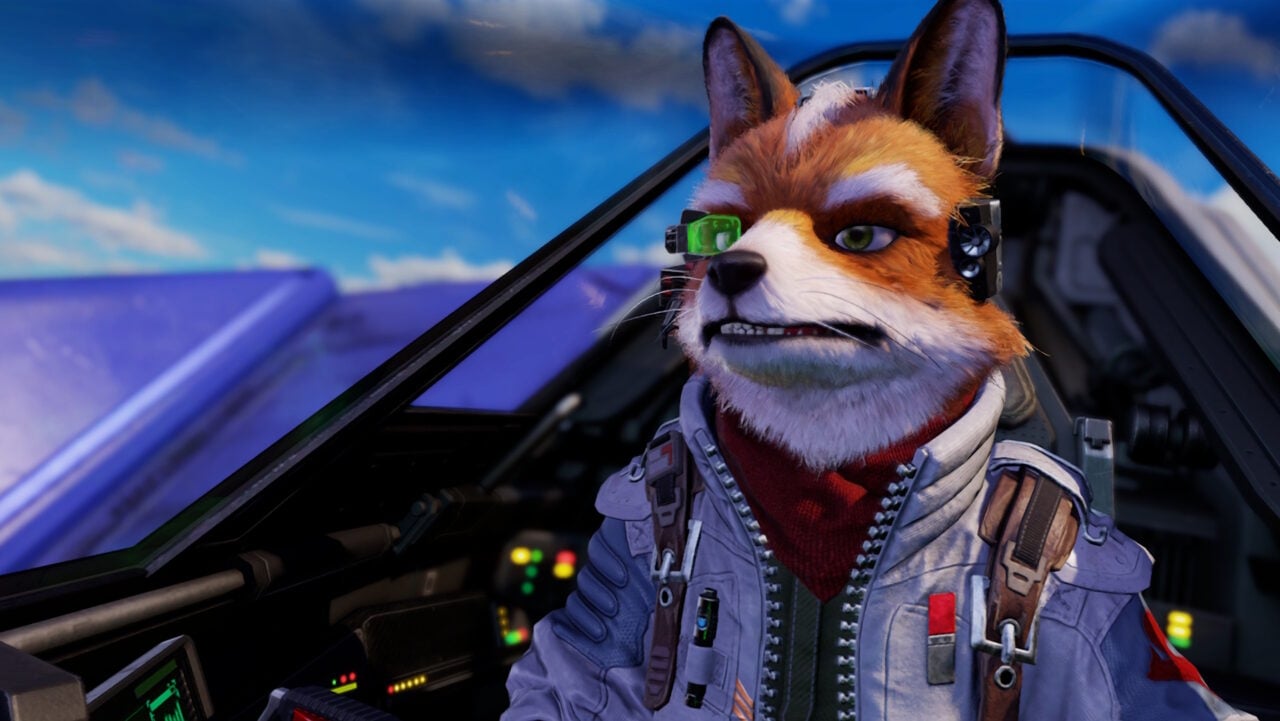
The lack of blockbuster games scheduled for release in 2026 further intensifies these challenges. Although the popularity of titles like *Pokémon Pokopia* has enhanced sales, investors remain fixated on the future, especially with the next significant *Pokémon* release not anticipated until 2027. Other forthcoming titles, such as sequels to *Star Fox*, *Splatoon*, and *Yoshi and the Mysterious Book*, do not possess the widespread appeal needed to satisfy investors looking for notable returns amidst a volatile market.
As investor unease escalates, there is rising pressure on Nintendo to clarify its major franchises. The absence of announcements regarding upcoming key titles—particularly about *Super Mario* or possible new ventures in *The Legend of Zelda* series—has created a gap that investors find concerning. Without meaningful updates, Nintendo risks further undermining its stock value as both consumers and shareholders eagerly await news on forthcoming releases that could boost both hardware and software sales during the vital holiday period.
In summary, the hurdles Nintendo faces regarding the Switch 2’s price hike are intensified by market expectations and an ambiguous future game lineup. For the firm to restore investor trust, prompt announcements concerning new game progress and plans to tackle production costs are crucial. As the gaming sector continues to transform, all attention will be on Nintendo to see how it manages this pivotal moment.