**The Rising Tension Between Graduates and AI Enthusiasm: Insights from Recent Commencement Addresses**
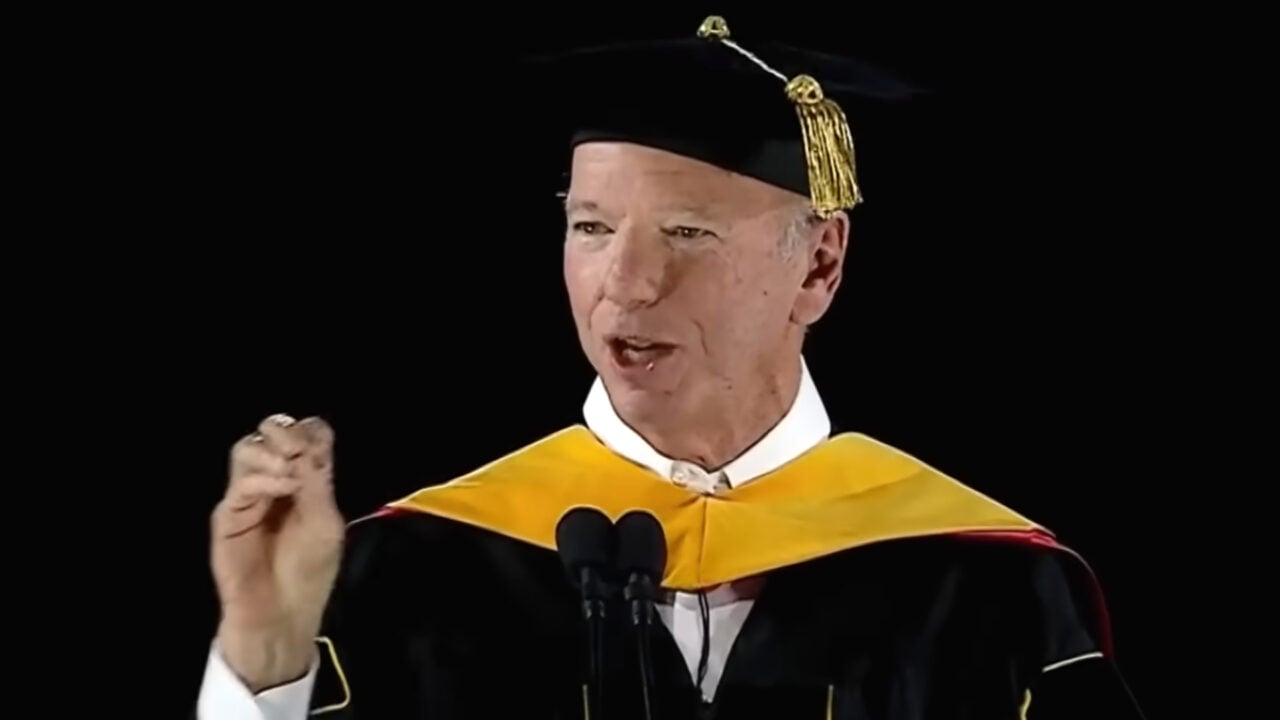
During recent college graduation events, a notable discontent has surfaced regarding the narrative surrounding artificial intelligence (AI). At the University of Arizona’s spring graduation, former Google CEO Eric Schmidt encountered substantial criticism as he promoted the potential of AI, facing loud boos from graduates concerned about their future in an AI-centric world. Schmidt’s comments mirrored a similar reaction earlier in the month when businesswoman Gloria Caulfield was met with jeers at the University of Central Florida after describing AI as the “next industrial revolution.”
The core of Schmidt’s address highlighted a vital dichotomy: while recognizing the legitimate fears related to AI—such as job loss and environmental consequences—he encouraged graduates to engage actively with the technology and become the architects of the future they wish to create. He conveyed that accepting a predetermined future equates to relinquishing one’s agency, urging graduates to mold the technologies that could impact their lives.
Schmidt’s discussion focused on the notion that the future is not a passive event but an active creation involving the efforts of individuals in laboratories, startups, classrooms, and legislative environments. He claimed, “The future does not simply arrive, it gets built,” stressing that the responsibility to shape AI lies with the emerging generation, the very individuals who would either gain or suffer from its effects. He motivated them to infuse human values into the discussions where AI decisions are made, reminding them that technology is a tool dependent on the ethical guidance provided by its developers.
Nevertheless, Schmidt’s message conflicted with his own portrayal of the scenario. By asserting that “the rocket ship is here” and suggesting graduates simply “get on,” he implied an acceptance of an AI-dominated future, contradicting his earlier message promoting agency and engagement. This inconsistency did not resonate positively with students who recognize the threat posed to their job prospects by ongoing technological automation.
The responses to Schmidt’s and Caulfield’s addresses highlight a broader sentiment among graduates—many of whom feel unprepared to navigate an uncertain job market increasingly shaped by AI. Their frustrations are magnified by corporate narratives that often overlook or minimize the immediate impacts of disruptive technologies on employment and social frameworks.
Schmidt’s failure to meaningfully connect with the graduates signifies a persistent gap between the optimistic visions of tech leaders and the lived realities of young individuals facing rapidly changing job markets. This disconnect raises important questions about the moral obligations of those in positions of power within technology and business sectors. It invites reflection on how to bridge the gap between progressive innovation and the socioeconomic challenges encountered by the emerging workforce.
As we observe the evolving relationship between graduates and advocates of AI, it remains uncertain whether future speakers will heed the adverse reactions experienced by Schmidt and Caulfield. The backlash indicates a growing awareness among graduates that accepting AI as an unavoidable force may not be in their best interests, prompting a reassessment of the conversation surrounding AI’s societal role.
Ultimately, the graduates’ responses at commencement ceremonies represent a call for more nuanced dialogues about AI—ones that genuinely address their concerns, highlight shared responsibilities, and promote ethical interaction with emerging technologies. The future, indeed, should be constructed collaboratively, ensuring that the values and viewpoints of the younger generation are fundamental to the development of the technologies ahead.