**Envisioning Palestine: A Voyage Through History and Suffering**
When picturing Palestine, views frequently converge around stark visuals: deserted buildings, rubble-strewn terrains, and fatigued people. These depictions dominate media narratives, overshadowing the truth of the region’s rich culture and lively past. However, there is another story—a historical Palestine that flourished long before the upheaval of the 1948 Nakba, a term signifying the mass displacement of approximately 750,000 Palestinians during the formation of Israel.
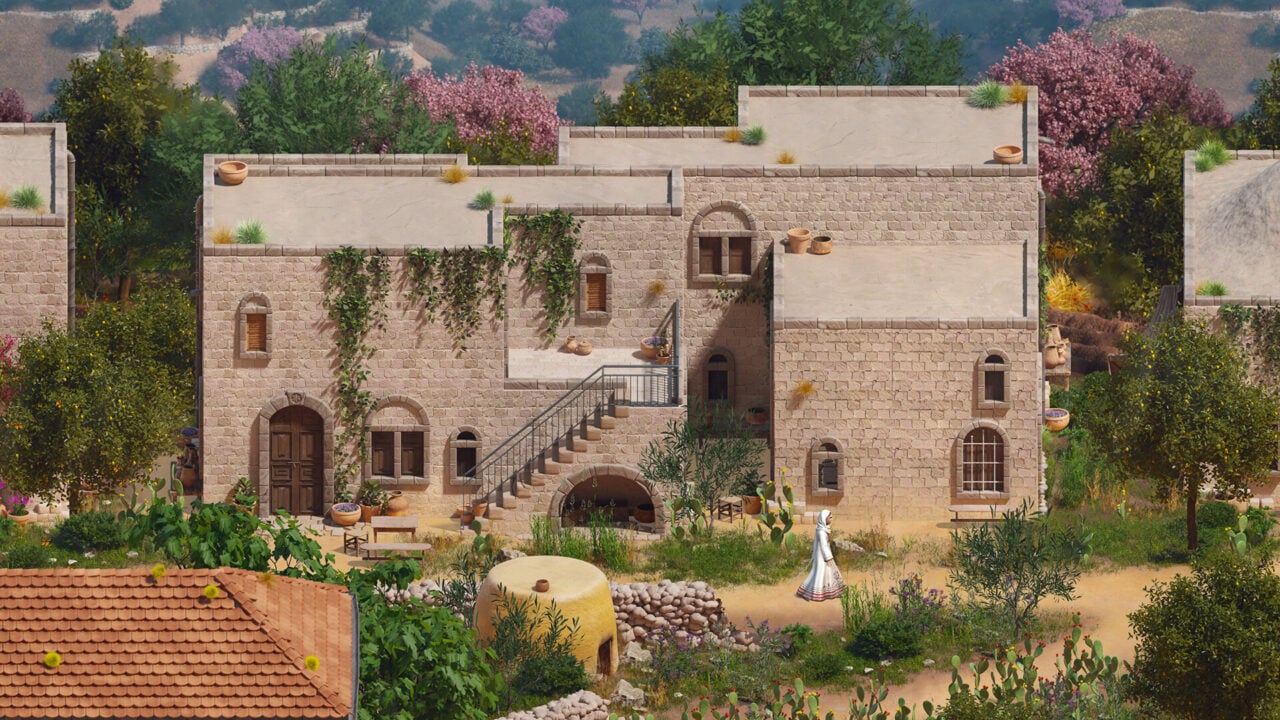
This perspective of Palestine embodies the dreams of Rasheed Abueideh, a Palestinian game creator determined to convey a story imbued with beauty, strength, and daily life before major conflicts erupted. Through his video game, *Dreams on a Pillow*, Abueideh aims to revive the essence of a land brimming with lush gardens, cheerful gatherings, and rich cultural legacies.
The game revolves around the moving tale of a Palestinian mother, Omm, escaping the turmoil of the Nakba. Abueideh, living in Nablus within the occupied West Bank, understands all too well the restrictions placed on the local economy and creative sectors due to ongoing conflict and occupation. His venture into game development is riddled with hurdles; the instability of daily existence in Palestine complicates the dream of establishing a flourishing gaming industry.
Prior to *Dreams on a Pillow*, Abueideh developed *Liyla and the Shadows of War*, a mobile game addressing the 2014 Gaza conflict. Despite faced challenges, including an initial refusal from Apple’s App Store, the game eventually gained popularity and paved the way for Abueideh’s upcoming endeavors. Nevertheless, the daunting reality of building a career in gaming under occupation often felt impossible, prompting him to look for different ways to provide for his family of six.
In the wake of the escalated conflict following the Hamas attacks on Israel in October 2023, which resulted in widespread violence and considerable casualties, Abueideh felt an intensified urgency to express the nuances of Palestinian identity and experiences. His work aims not solely to showcase the harsh realities many encounter today but also to shed light on the profound historical origins of the ongoing struggles.
*Dreams on a Pillow* encourages players to traverse Omm’s distressing flight and the haunting echoes of the Nakba. The game contrasts her painful current situation with vibrant memories of her youth in Tantura, a once-flourishing village now erased from existence and transformed into a tourist spot. Abueideh’s vision encompasses the verdant landscapes of Palestine, aiming to contest the overwhelming narrative of desolation that often obscures the humanity within Palestinian lives.
As the game unfolds, players observe Omm’s challenges, symbolized by her holding onto a pillow, mistakenly believing it to be her child amidst the survival chaos. This portrayal serves as a metaphor for the collective trauma experienced by Palestinians—an inherited anguish that reverberates across generations.
Abueideh’s initiative functions under the limitations of scarce resources and the continuous strain of an unpredictable societal atmosphere. Despite these obstacles, he has successfully launched a crowdfunding campaign that showcases the game’s development journey. However, the dread of possible retribution looms over Abueideh as he navigates public exposure in a precarious landscape.
His resolve to stay in Palestine, despite contemplating his family’s safety, resonates profoundly. Abueideh exemplifies the defiance against narratives urging the exodus of Palestinians from their homeland, acknowledging that persistence amidst hardship represents a form of resistance itself. The very act of creating a video game rooted in his cultural heritage reclaims space for Palestinian voices, confronting stereotypes while honoring resilience.
Ultimately, *Dreams on a Pillow* serves as a poignant reminder of what has been lost, alongside a testament to the unyielding spirit of those who remain in Palestine. Through interactive storytelling, Abueideh aspires to foster understanding about the intricacies of contemporary Palestine, encouraging audiences to face the human tales behind the headlines, and to recognize both the beauty and sorrow that characterize this land.