**The Impact of Ongoing Memory Chip Shortages on PC Gaming Hardware Prices**
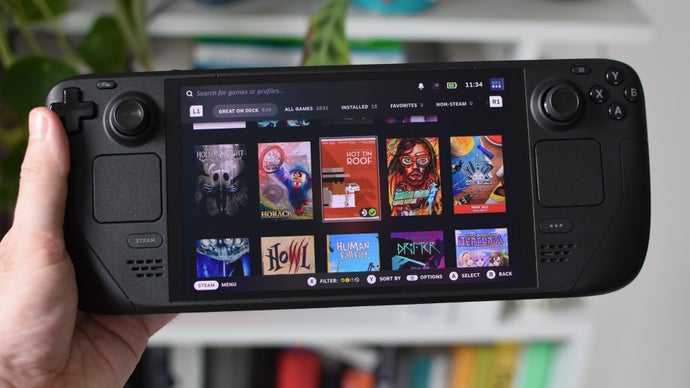
The ongoing memory chip shortages have significantly affected the landscape of PC gaming hardware, driven primarily by the surging demand from AI-centric data centers. This demand has led to a decrease in availability and an increase in prices, creating a challenging environment for PC gamers. Notably, one of the latest casualties of this crisis is Valve’s Steam Deck OLED, which recently returned to stock at dramatically elevated prices.
### Unprecedented Price Increases
The price of the base model Steam Deck OLED, which featured 512GB of storage, has surged from £479 / $549 to £649 / $789—an increase of 35% and 44% respectively. Even more shocking is the price hike for the 1TB variant, which jumped from £569 / $649 to £779 / $949, constituting an inflation rate of 36% in the UK and a staggering 46% in the US.
Valve has attributed these price increases to the current landscape of component costs and broader global logistical challenges. While there is undeniable truth to the struggles faced by manufacturers in sourcing components, the scale of the price increases suggests a more profound impact on consumer affordability and accessibility.
### Comparing Alternatives
As the prices of the Steam Deck OLED rise, competitors in the handheld market are gaining ground. For instance, the 1TB version of the Steam Deck OLED is priced comparably to the Asus ROG Xbox Ally X, which was once considered vastly more expensive. Similarly, the Lenovo Legion Go S, configured for SteamOS, now offers competitive pricing that undercuts the Steam Deck’s earlier value proposition.
This shift signifies a market where consumers must now contend with higher prices for products that may not necessarily reflect superior performance or value. The cost increases have raised questions about the pricing strategy for future Valve hardware, including the anticipated Steam Machine and Steam Frame VR kit, which have also faced delays amidst these shortages.
### The Broader Effects on Gaming Hardware Market
The ramifications of the memory chip shortages extend beyond just one product; they reflect a sector-wide crisis affecting various forms of technology. The escalating prices and scarcity of components have driven manufacturers to prioritize contracts with AI companies, further limiting the availability of hardware for average consumers and gaming enthusiasts.
Despite the Steam Deck being lauded for its value, comfort, and functionality, the current pricing shifts threaten to alienate a significant portion of potential buyers. The Steam Deck OLED was celebrated for its competitive pricing as a portable gaming solution, but with new competitors emerging at similar or lower prices, the once-clear advantages are becoming less distinct.
### Conclusion
While the Steam Deck OLED remains a remarkable piece of technology, its future affordability is now in jeopardy as memory chip shortages continue to complicate the landscape of PC gaming hardware. The situation clearly illustrates the extent to which external factors, such as AI-driven demand, can create rippling effects throughout the market, ultimately impacting consumers’ ability to access quality gaming experiences. The plight of the Steam Deck is only one example of how the industry is navigating these turbulent times, and it remains to be seen how manufacturers will adapt to the ongoing challenges posed by supply chain disruptions and rising costs.