### The Memorable Tales of Yuji Naka: From Sonic to Billy Hatcher
Yuji Naka, a pivotal character in the gaming world and a co-creator of the legendary Sonic the Hedgehog, has seen a career filled with groundbreaking achievements and prominent controversies. His time at Sega to his recent conviction for insider trading illustrates the intricate nature of video game development and marketing.
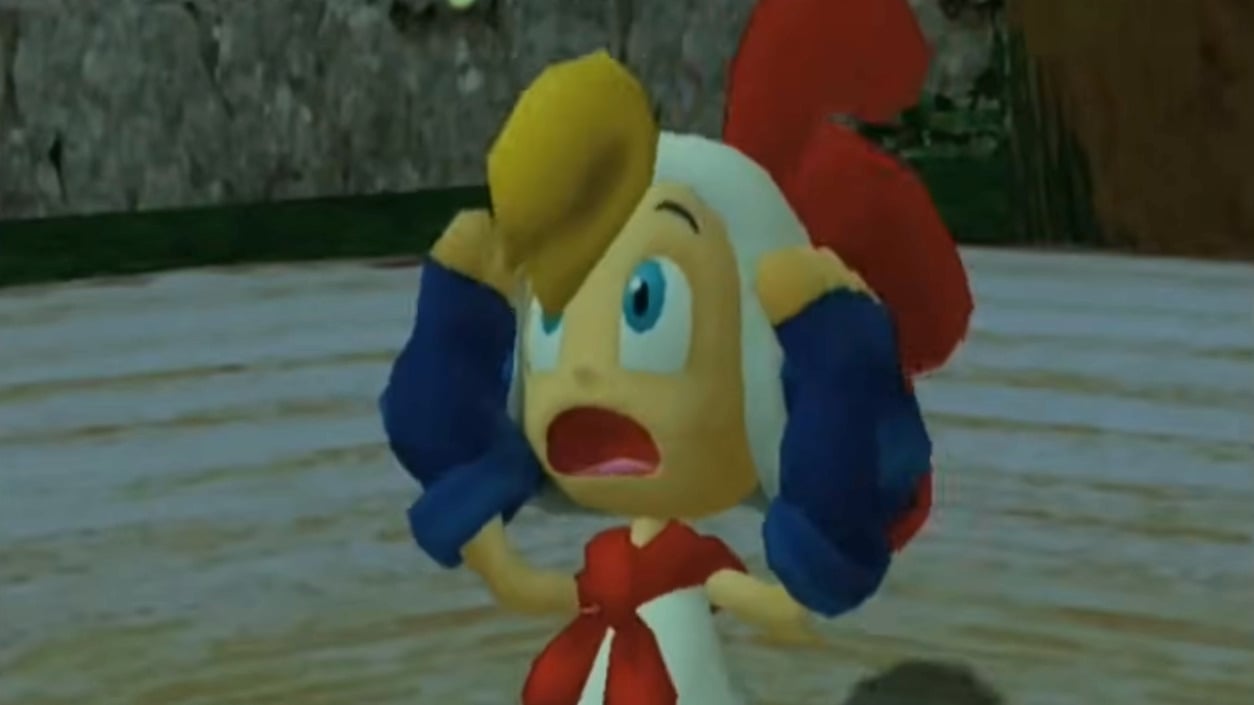
Recently, an intriguing tidbit surfaced during an interview with Mike Fischer, former VP and Sega of America product manager. In the conversation, Fischer shared a humorous yet eye-opening story about Naka’s creative choices related to the 2003 GameCube game *Billy Hatcher and the Giant Egg*. Fischer revealed that Naka initially suggested an alternative title that left many puzzled: *Billy Hatcher and the Giant Cock*.
This story came up amidst a discussion on Sega’s gaming strategies. Fischer had earlier recommended that the company look into more mature, M-rated games aimed at the U.S. market—an idea that met with fierce resistance from Naka. Fischer recounted Naka’s explosive response, indicating that he was not only displeased with the idea but also became somewhat aggressive, showing notable disdain for Fischer’s suggestions.
Following this intense exchange, Naka went on to develop *Billy Hatcher and the Giant Egg*. At first, he wanted to name it simply *Giant Eggs*, but the title was modified due to a cultural understanding in the U.S. where “laying a big egg” connotes a major failure. Consequently, the name evolved to *Billy Hatcher and the Giant Egg* through a series of negotiations and compromises, although Fischer noted that Naka remained unsatisfied with the final result.
In a memorable instance during Naka’s trip to the United States, he proposed that the game could alternatively include the word “cock,” referencing its slang meaning for rooster. Fischer and others quickly rejected this notion, resulting in the eventual release under its more acceptable title. This change may not have been solely about preference but also a strategic marketing move to avert potential backlash from a wider audience.
Fischer’s reflections on that period provide insight into the frequently tumultuous realm of game design where personal egos and creative visions conflict. He shared further entertaining anecdotes, including bringing Michael Jackson to a Sega arcade and a comical incident involving a Sonic mascot attempting to bond with a Mario mascot during a peace gesture between Sega and Nintendo.
Despite their rocky exchanges, Fischer concluded the interview on a positive note regarding Naka. He emphasized Naka’s unexpected choice not to take legal action against a group of Chinese pirates manufacturing bootleg Dreamcast games, instead choosing to buy their company for porting work—an act of pragmatism that highlighted Naka’s adaptability in the industry.
In hindsight, while Naka’s path has been marked by highs and lows, these vibrant stories encapsulate not only his creative challenges but also the distinctive atmosphere of Sega during a crucial era in gaming history. Naka remains a divisive yet undeniably impactful figure whose choices continue to stir conversation and fascination within the gaming community.