The impact of generative AI on PC gaming has sparked considerable debate, with many players expressing strong disapproval. Concerns are raised about AI-generated material, which is perceived as disruptive, leading developers and publishers to tread carefully in integrating these technologies. Additionally, the rush to accommodate AI capabilities has caused significant component shortages that have affected the hardware market adversely. However, Fenris Creations, developers of EVE Online, have embraced AI advancements, forging a partnership with Google DeepMind.
Recently, Fenris announced a “research partnership” with Google DeepMind, involving the training of AI agents on a separate version of the long-standing space MMO, EVE Online. This collaboration has been met with curiosity rather than backlash from the player base, a divergence from the wider skepticism permeating the gaming industry towards generative AI.
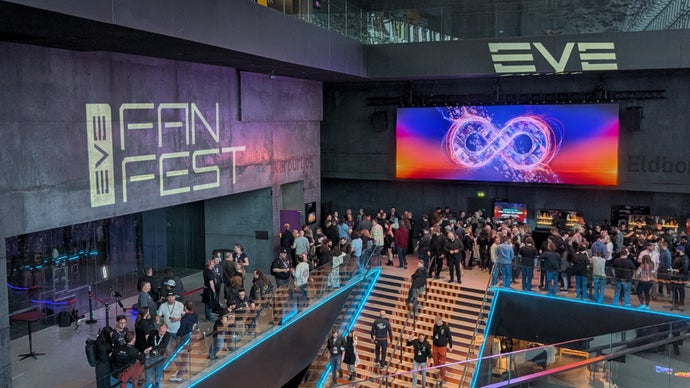
During a presentation at EVE FanFest, Fenris CEO Hilmar Veigar Pétursson discussed the partnership’s potential benefits, referencing DeepMind’s prior work with games like StarCraft II and how gaming technologies can enhance AI learning. Despite concerns about AI diminishing the essence of multiplayer games, Pétursson likened the collaboration to past developments in chess, post-Deep Blue.
While the initial discussions highlighted what EVE could offer DeepMind, the Q&A session unveiled specific applications, such as utilizing AI agents to address EVE’s long-standing code issues—a convoluted system resulting from 30 years of development. Pétursson emphasized that coaching agents have identified significant problems within the existing code, aiding in its much-needed refinement.
Moreover, there are prospects for enhancing the game’s existing procedural generation features to create more dynamic interactions with NPC characters. Pétursson suggested that these enhancements could reinvigorate player experiences and significantly evolve the game’s narrative.
Interestingly, despite the general unease surrounding AI in gaming, the reaction from EVE players has remained largely supportive. Comments from attendees at FanFest reflected a hopeful anticipation for how AI may positively reshape their gameplay experience. Prominent community members expressed various sentiments, ranging from cautious optimism to outright enthusiasm for the potential of AI integration.
Fenris’ community manager underscored the players’ high expectations and critical insights, voicing confidence that the partnership with Google DeepMind is being approached with respect and an eye towards maintaining the integrity of what EVE Online represents. The partnership appears to be structured around research initiatives rather than extensive alterations to the game’s core.
While speculation regarding the long-term implications of AI within EVE persists, both Fenris and DeepMind seem committed to addressing player concerns and ensuring that changes contribute positively to the game’s evolution without undermining its established community-driven spirit. The prospect of resolving systemic issues within EVE’s architecture, alongside potential enhancements to player interactions, has presented a landscape of possibilities that intrigue many in the gaming community. The extent to which AI will ultimately redefine the experience of EVE Online remains to be seen, but the initial reception signals a willingness among dedicated players to await its unfolding.