**The Downfall of the Great American State Fair: A PR Catastrophe for Trump-Supported Event**
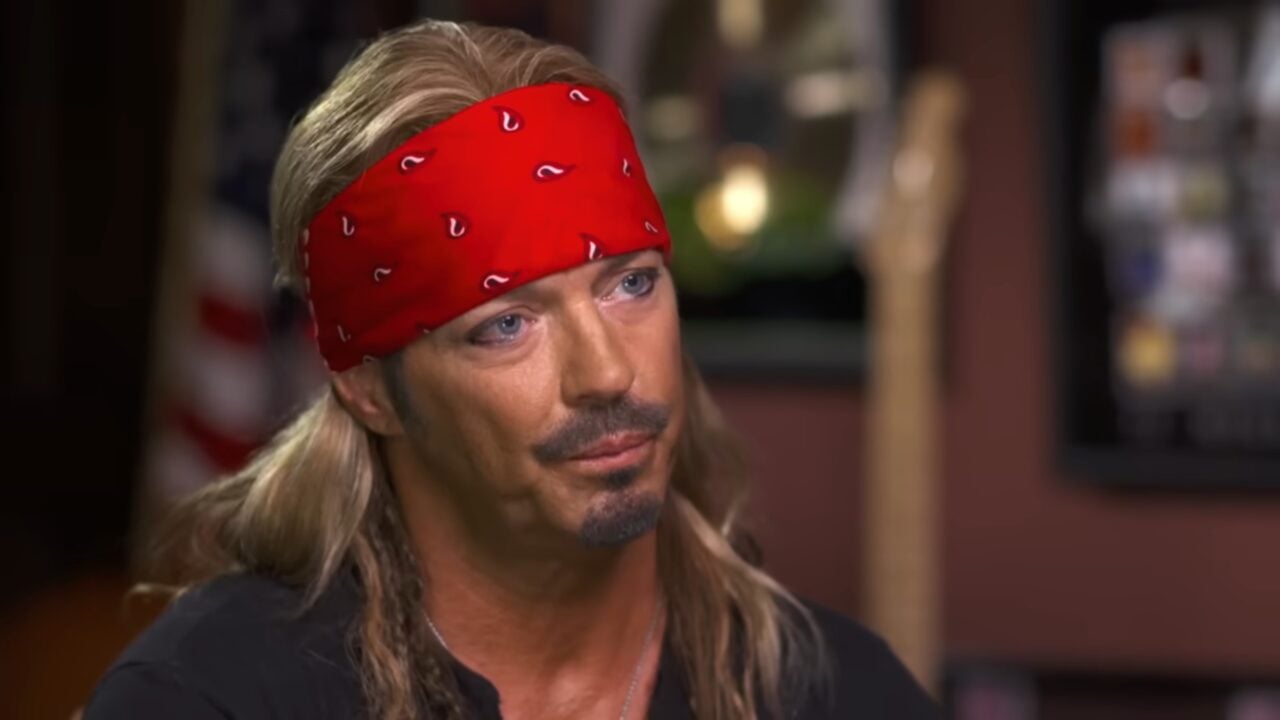
In an unexpected development, the “Great American State Fair,” an event linked to the celebration of the United States’ 250th anniversary and endorsed by Donald Trump, is experiencing a rapid decline in its lineup of artists. Initially heralded as a 16-day “national exhibition,” the event boasted a prominent list featuring renowned figures like country music icon Martina McBride and Poison’s Bret Michaels. Yet, within a week of its announcement, the lineup has diminished from nine performers to a mere three.
Withdrawals by performers have been attributed to accusations of misleading information concerning the event’s political ties. Numerous artists believed they were partaking in a “non-partisan” occasion but quickly found out about links to Trump’s “Freedom 250” initiative, which altered their engagement. Prominent acts have openly distanced themselves, sharing their dissatisfaction and raising alarms about the divisive essence of the event.
Artists who have chosen to withdraw include:
– Bret Michaels
– The Commodores
– Martina McBride
– Milli Vanilli
– Morris Day
– Young MC
The remaining acts confirmed to perform are C+C Music Factory, Vanilla Ice, and Flo Rida, although doubts linger about their dedication to the event following the significant departure of their colleagues.
The aftermath has not only triggered a surge of reactions on social media—resulting in countless jokes and memes—but it also presents a considerable reputational hurdle for the organizers and Trump. There is rampant speculation that Trump may respond to these artists via social media platforms, reminiscent of previous attacks on those who have criticized him.
The current scenario illustrates a broader story regarding political affiliation in the entertainment sector and the effects of perceived partisanship on public events. As the scheduled dates in June and July draw near, the future of the “Great American State Fair” remains in question. The sudden exit of performers has sparked a conversation about the intersection of art, politics, and public perception in modern America.