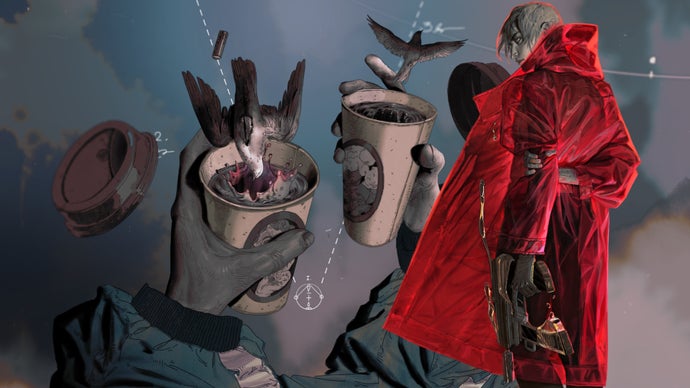
# Embracing the Wang Way: A Spy’s Struggle with Regret
In the realm of espionage, the line between duty and emotions can often blur, leading to inner turmoil that’s difficult to navigate. The fictional narrative of a spy engaging with the philosophy of the “Wang way” illustrates this struggle vividly, presenting the protagonist’s journey through guilt, regret, and the expectation of emotional detachment.
## The Discovery of the Wang Way
The journey begins unexpectedly in Zero Parades’ Portofiro, where the protagonist stumbles upon a community bookstore. This gem of a location offers a unique approach to literature, allowing patrons to take books freely with the option to leave a donation. Among the collected tomes is *The Wang Guide to Improvised Firearms, volume two*, which introduces the central philosophy of the Wang way—a mindset promoting self-reliance and a lack of remorse.
The protagonist embraces this ideology, which aligns surprisingly well with Madonna’s treatise *Sorry*, exploring the concepts of accountability and emotional expression. However, the Wang way requires a stark emotional detachment, crafting a conflict within the protagonist as they navigate a complex array of social interactions.
## The Costs of Empathy
As the protagonist engages with various characters in their espionage endeavors, the penalties for showing any hint of regret become apparent. For example, conversations with Wilk’s former crew, *The Whole Sick Crew*, reveal the trauma and hardships experienced due to past betrayals. Adhering strictly to the Wang way means suppressing any empathetic responses, as expressing sorrow or remorse can lead to losing significant advantages in their mission.
The influence of the Wang way permeates the protagonist’s interactions, forcing them into a relentless mode of focus—where emotional acknowledgment turns into a liability. This philosophical approach emphasizes the need for efficiency and a singular drive towards objectives, often at the expense of human connection.
## The Dangers of Emotional Withdrawal
The narrative articulates the stark consequences of emotional withdrawal. By dismissing feelings of regret, the protagonist risks becoming a mere instrument of destruction, highlighting how the demands of their roles obscure the humanity of those around them. The stark portrayal of Wilk as a cold operative lurking through the shadows of Portofiro reinforces this message.
Emotional suppression, while seemingly beneficial in a high-stakes environment, invites a form of psychological turmoil. The internal conflict manifests through constant reprimands from Mr. Wang, who represents the relentless adherence to the Wang way. As the protagonist grapples with their inability to conform and the resultant loss of bonuses, this struggle emphasizes the broader themes of identity and morality found within the narrative.
## The Duality of Regret and Purpose
The character’s evolution highlights a significant dichotomy: the pursuit of purpose juxtaposed with the burden of their past actions. The protagonist’s ongoing conflict—caught between the relentless demands of Mr. Wang and the weight of their sense of guilt—illustrates a poignant critique of a society that prizes emotional detachment over authenticity.
The desire to ‘rebel’ against the ideology while also being bound by it is a compelling narrative arc. Rather than merely existing as a tool of espionage, the protagonist’s journey becomes an exploration of what it means to be human amidst the chaos of their profession.
## Conclusion
The tale of the super sorry spy serves as a microcosm of a larger conversation around emotional intelligence within high-pressure environments. The Wang way’s strictures lead to a compelling examination of how far one must go to serve a greater purpose while grappling with the inevitable human experiences of regret and empathy. Ultimately, the conflict between duty and feeling tells a resonant story of the existential dilemmas faced in the life of a modern spy, challenging readers to ponder the true cost of emotional denial in their own lives.