**Nvidia Enters the CPU Market with RTX Spark: A Game-Changer for Laptops**
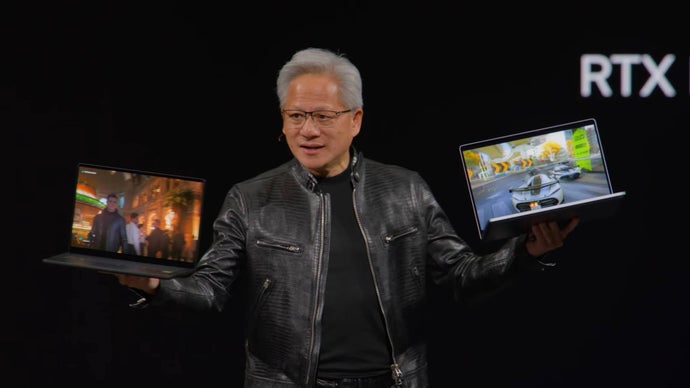
After years of speculation regarding Nvidia’s potential entry into the CPU market, the tech giant has officially announced the RTX Spark, a fully integrated System on a Chip (SoC) designed for thin and light laptops. Set to debut this Autumn, RTX Spark marks a significant milestone in Nvidia’s expansion beyond graphics processing units (GPUs) into the realm of central processing units (CPUs).
**Optimized for AI and Gaming**
As expected from Nvidia, the RTX Spark places a substantial emphasis on agentic AI, leveraging the company’s wealth of experience from its successful foray into AI-powered graphics. Despite the vague and jargon-heavy descriptions surrounding its AI capabilities, the SoC is also tailored for gamers. The integrated graphics processor utilizes Nvidia’s advanced Blackwell architecture, akin to the company’s GeForce RTX 50 series of standalone graphics cards. This innovation promises gamers features like DLSS 4.5 upscaling, Multi-Frame Generation, ray tracing, Reflex anti-lag, and G-Sync, all of which were previously rare in integrated graphics solutions. The only potential exception is the Nintendo Switch 2, which operates on a different standard.
**Balancing Performance and Efficiency**
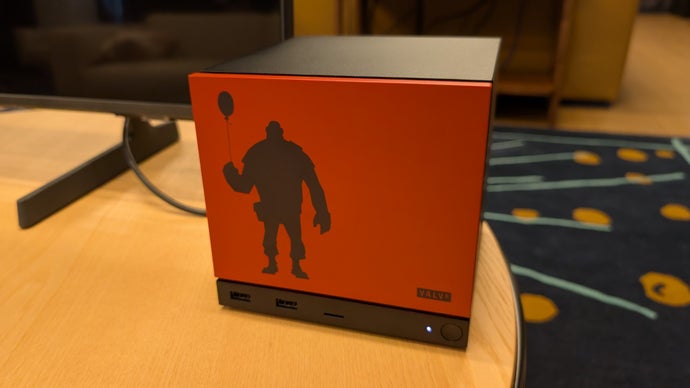
While Nvidia has received criticism for inconsistencies in the reliability of its graphics technologies, some features have proven beneficial, outperforming AMD and Intel equivalents with minimal issues. Historically, these advanced technologies were reserved for larger, more power-consuming CPU and discrete GPU combinations, making RTX Spark’s integrated approach a revolutionary proposition. Furthermore, the SoC may pave the way for handheld PCs equipped with the same suite of tools, alongside mini PCs reminiscent of the Steam Machine, positioning Nvidia to compete directly with Valve’s all-in-one solutions.
**Unanswered Questions and Performance Promises**
However, Nvidia’s announcement leaves many questions unanswered. The Spark chip is designed with performance in mind, boasting a 20-core CPU and support for up to 128GB of unified RAM. Still, Nvidia has only hinted that the Spark will run AAA games at 1440p resolution exceeding 100 frames per second with ray tracing, DLSS, and Reflex. Such bold performance claims need to be substantiated by real-world benchmarks, especially considering current integrated GPU limitations.
Moreover, the introduction of RTX Spark raises concerns about pricing. Given the anticipated high-performance capabilities of the chip, it is unlikely to be positioned as a budget option. This factor could elevate the overall price of laptops utilizing the SoC, potentially contradicting the usual economic advantages associated with opting for integrated hardware over more expensive dedicated components.
**Industry Support and Future Prospects**
Excitingly, major manufacturers such as Acer, Asus, Dell, Gigabyte, HP, Lenovo, Microsoft, and MSI are expected to participate in bringing RTX Spark laptops to the market. Initial models are slated to be available this Autumn, and with the tech community eager for hands-on evaluations, the anticipation surrounding RTX Spark is palpable.
As Nvidia attempts to redefine the integrated CPU market, the implications of RTX Spark extend far beyond gaming. Its successful implementation could reshape the landscape for both intensive computing tasks and everyday use in ultra-portable devices, signaling a pivotal shift in how integrated systems are perceived within the tech industry.