### Entering the Backrooms: A Cultural Phenomenon
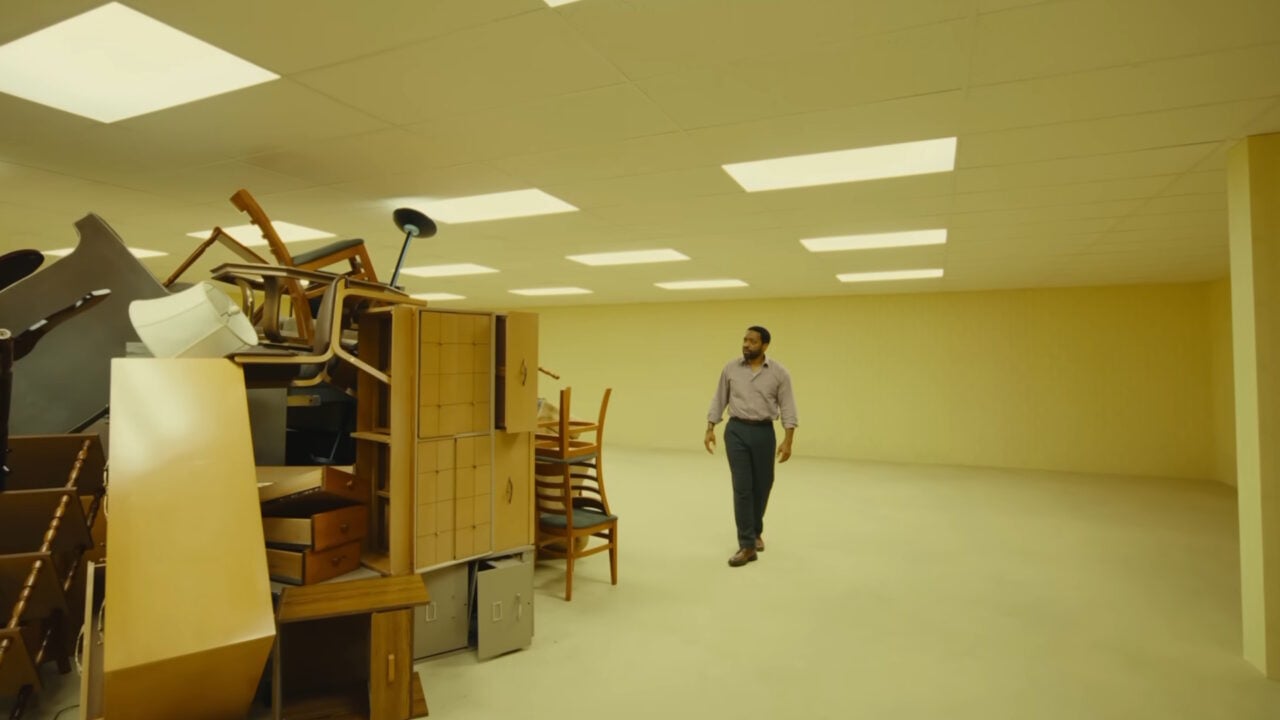
The idea of the Backrooms has swiftly transitioned from a little-known meme into a cultural sensation, recently underscored by the triumphant debut of a film adaptation. The concept originates from a curious internet meme first surfacing on 4Chan in 2018, illustrating a bizarre, yellow-hued room with an erratic layout. As it gained popularity, the mythology surrounding the Backrooms broadened, captivating the minds of numerous internet users and horror aficionados.
#### The Origin of the Backrooms
The Backrooms emerged from a singular image circulated online, depicting a confusing space defined by faded walls, a tattered carpet, and a profound sense of discomfort. A commenter elaborated on the scene, warning about the dangers of “noclipping” from reality and inadvertently becoming ensnared in this liminal void. This portrayal took hold of internet culture, prompting further investigation into the idea of “liminal spaces” — transitional areas that lie outside typical comprehension.
As the meme proliferated, it established a foundation for an extensive array of narratives and interpretations, resulting in related creepypasta tales and concepts. The unsettling, in-between areas depicted in the Backrooms resonated within the horror genre, leading to prominent allusions in media, including TV series and video games. The meme even spurred Kane Parsons, an emerging filmmaker, to delve into the concept through a series of YouTube shorts.
#### Kane Parsons and the YouTube Shorts
At merely 16 years old, Kane Parsons created a captivating nine-minute video titled “The Backrooms (Found Footage).” Utilizing a blend of Blender and Adobe After Effects, he crafted a haunting experience showing an individual plunging into the Backrooms and confronting a frightening entity. Parsons’ short not only resonated with viewers but also enriched the mythology of the Backrooms, incorporating suspenseful elements that engaged audiences.
Parsons produced a total of 15 shorts, each further developing the Backrooms universe. His work suggested government research missions exploring the Backrooms, investigating the seemingly boundless corridors and thematic layers. This creative output, marked by a remarkable grasp of horror aesthetics, garnered significant interest from fans and industry insiders alike.
#### Transition to Feature Film
In 2023, Parsons’ inventive vision caught the attention of A24, an independent production company recognized for its unique style in filmmaking. Assigned with creating a feature-length film based on his YouTube series, Parsons embraced the challenge as he stepped into an industry typically led by seasoned experts. A24 sought to leverage Parsons’ creativity, surrounding him with experienced professionals, including producers like Shawn Levy and Osgood Perkins, as well as writers proficient in the horror genre.
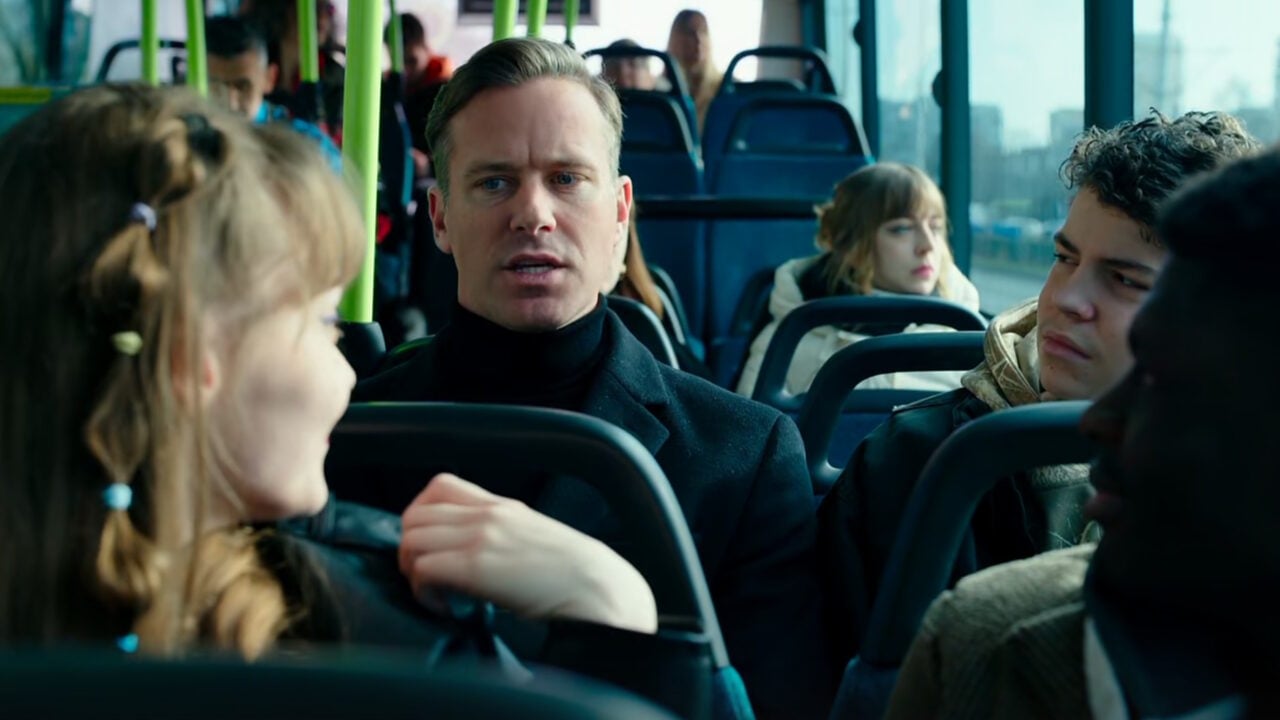
The casting choices heightened anticipation for the project, featuring industry veterans such as Chiwetel Ejiofor, Renate Reinsve, and Mark Duplass. In a narrative twist, Ejiofor plays a furniture store owner who inadvertently finds his way into the Backrooms, a detail that resonates with the original photo’s backstory, which was revealed to have been taken in a transformed furniture store in Wisconsin.
#### Box Office Impact and Cultural Reception
Upon its release, the Backrooms film made a significant impact, soaring to an impressive $81.4 million gross in its opening weekend. This accomplishment positioned it as the most successful debut for A24, even competing with major franchises like Star Wars. Kane Parsons, at just 20 years old, became the youngest director to lead box office rankings, indicating a new era of ingenuity in horror cinema.
With a 90% rating on Rotten Tomatoes and a strong score on Metacritic, it’s clear that the film resonated with both audiences and critics. As viewers immerse themselves in the disquieting world of the Backrooms, the film serves not only as an exhilarating experience but also as a reflection of the lasting influence of internet culture and collective storytelling.
### Conclusion
The Backrooms phenomenon illustrates how contemporary horror can navigate digital realms, crafting cultural narratives and expressing through innovative filmmakers like Kane Parsons. The mythology continues to develop, intertwining with mainstream media and reminding us of the peculiar allure of liminal spaces that exist just beyond our grasp. As audiences delve into the eerie depths of the Backrooms, they engage with a rich tapestry of creativity that challenges the norms of horror itself.