### Microsoft’s Acquisition of Activision Blizzard: A Retrospective Analysis
Just under 1000 days ago, Microsoft finalized its monumental acquisition of Activision Blizzard for $68.7 billion, marking a significant maneuver in the gaming industry. This deal granted Microsoft ownership over prominent franchises such as Call of Duty, World of Warcraft, and Overwatch, establishing Xbox’s parent company as a formidable player in the gaming market. As we look back on this acquisition in 2026, the question arises: was this a wise investment?
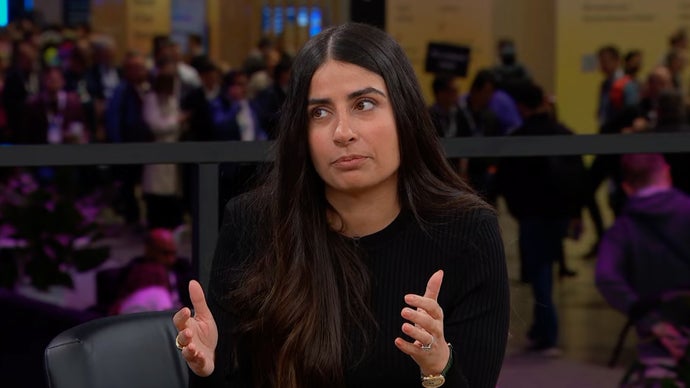
During a recent interview with Bloomberg Tech, Xbox CEO Asha Sharma addressed the aftermath of the acquisition. She acknowledged the tremendous value of Activision Blizzard’s assets, citing Call of Duty’s revenue surpassing that of the Marvel Cinematic Universe and the popularity of Candy Crush and World of Warcraft. “I love Activision Blizzard King,” she noted, emphasizing the historical success of the development team.
However, Sharma’s remarks also hinted at the complexities surrounding the acquisition. She stated, “Look, it was bought at a time before ChatGPT… our strategy was predominantly on the core console. It was at a time when we were right in the middle of Covid. So, hard to say how to think about those decisions.” This statement implies a retrospective uncertainty about the timing and context of the deal, which may not align perfectly with today’s gaming landscape.
The interview’s tone shifted when Sharma responded to queries about the acquisition’s return on investment amidst challenges including layoffs, project cancellations, and a price hike in Game Pass subscriptions. While she presented strong arguments for the acquisition’s value, her hesitant acknowledgment of the challenges faced underlines the potential dilemma facing the new leadership.
Sharma’s nuanced response might be viewed as her attempt to distance herself from previous management decisions undertaken by Phil Spencer and Sarah Bond. The question remains whether her leadership style, which includes candidness about corporate challenges, is more advantageous or detrimental for public perception. Transparency can foster trust with consumers but may also raise doubts about commitment and direction.
As Microsoft continues to navigate the gaming industry’s ever-changing dynamics, the long-term implications of the Activision Blizzard acquisition remain to be seen. Current events suggest a need for Microsoft to solidify its strategy and address the challenges that have emerged post-acquisition. The effectiveness of Sharma’s leadership and the operational outcomes of this landmark deal will likely be critical metrics for assessing its overall success in the years to come.