**Navigating the Challenges of Live-Service Games: An Insight into Geoff Keighley’s Strategy for Summer Game Fest 2026**
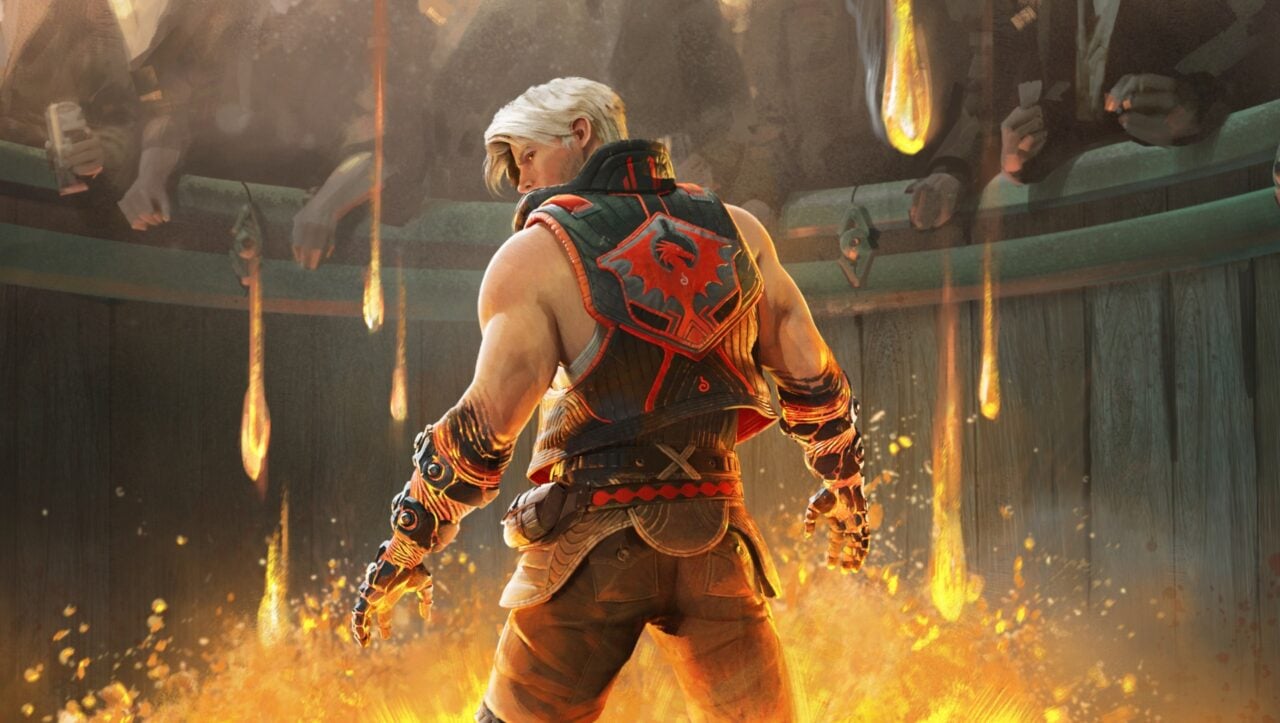
The previous year’s Game Awards will be recalled not only for its achievements but also for a notorious conclusion: the introduction of *Highguard*, a live-service free-to-play shooter that quickly declined. The game, launched amid great expectations, lasted less than three months before it succumbed to dwindling player numbers and eventually ceased operations. To prevent a similar outcome, event creator and host Geoff Keighley has made a notable shift for the forthcoming Summer Game Fest 2026.
On June 5, just prior to the event’s kickoff, Keighley took to Twitter to confirm that the final reveal for the occasion would completely steer clear of the trend towards online live-service multiplayer titles. In a direct reply to the backlash regarding *Highguard*, he remarked, “Today’s final announcement at #SummerGamefest will be a single-player, narrative game. Thank you for the feedback!”
This declaration underscores the evolving nature of the industry and the significant role of community feedback in shaping game development and promotional approaches. The reaction against *Highguard* arose from audience disillusionment; fans conveyed a desire for meaningful single-player experiences, drawing comparisons to well-regarded franchises such as *God of War* and *The Last of Us*. The expectation for a spectacular finale at these notable events extends beyond just any game; it encompasses titles that reflect the clout of established triumphs and connect with gamers’ cravings for rich storytelling.
As Keighley gears up to present this year’s concluding segment, speculation mounts regarding which single-player narrative game will take the spotlight. The choice to shift toward a more classic gaming style may indicate a broader industry movement favoring profound, captivating narratives over the unpredictability of multiplayer-focused releases. This could signify a revival of single-player games during a time when live-service frameworks have frequently captured the spotlight, often yielding mixed outcomes.
As the gaming community looks forward to this announcement, one thing stands out: the insights gained from past setbacks are influencing the trajectory of game presentations and the kinds of experiences developers are prepared to deliver. The gaming environment continues to transform, and its responsiveness to player expectations will be crucial for the success of upcoming titles and experiences.