**Deconstructeam’s “Virtue and a Sledgehammer”: A Journey of Belonging and Catharsis**
Deconstructeam, the indie game studio known for their narrative-driven titles like *Many Nights a Whisper* and *The Cosmic Wheel Sisterhood*, is set to release their newest game, *Virtue and a Sledgehammer*. This game explores the theme of disconnection from one’s roots, encapsulated in the statement that it embodies the feeling of “no longer belonging in the place you grew up.” The recently released demo hints at another significant aspect of the game: a visceral sense of catharsis, manifesting through destruction and chaos wielded by a sledgehammer.
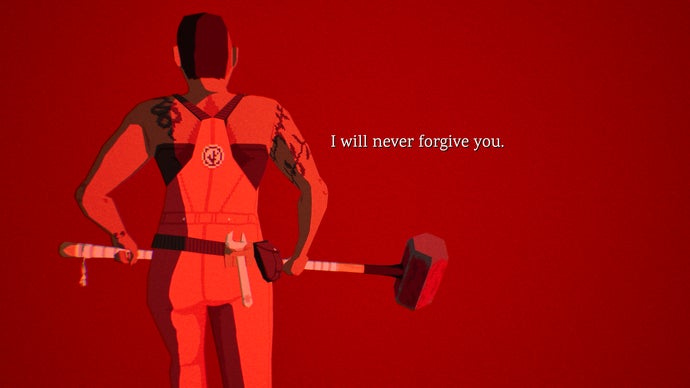
The story unfolds in the fictional town of Virtud, once a vibrant community now eerily inhabited by android replicas of its former residents. These androids, programmed to defend their territory, become hostile towards the game’s protagonist, Pratelle. As players take control of Pratelle, they experience a world where once-familiar surroundings are reduced to rubble, powered by the satisfying swing of a demolition tool that serves as both a weapon and a means of exploration. The dynamics of the physical environment mirror the emotional upheaval reflected in Pratelle’s journey, as she confronts the past and those who have replaced her ties to her hometown.
As players navigate through the derelict streets of Virtud, the gameplay involves smashing through walls and structures that block the way, offering pathways and a cathartic release of frustration against the town’s chilling atmosphere. The act of destruction isn’t merely gameplay; it symbolizes a personal rebellion against the isolation and hostility of a place once considered home. Players might relish in the impactful demolition, contrasting with Pratelle’s evident discomfort in her destructive role.
Further enriching the narrative, the demo introduces unsettling flashbacks that reveal Pratelle’s troubled family background. The relationship with her sister, Nina, is particularly complex, suggesting elements of familial dysfunction and mental health issues. Nina’s character adds layers to the story, hinting at a past marked by her experimental tendencies that have led to the town’s transformation into a robotic monoculture. This direct connection invites players to reflect on how technology and change can disrupt familial bonds and community identities.
Interestingly, the android inhabitants of Virtud display a peculiar nonchalance about their mechanical existence, leading to interactions that evoke both humor and horror. The robots engage in mundane conversations and community activities, creating a stark contrast to Pratelle’s violent actions against them. The choice to make these androids preserve their personalities adds a nuanced layer to the narrative, challenging players to consider the ramifications of their destructive gameplay. As Pratelle wreaks havoc, the question arises: are these robots merely targets, or do they reflect the community she feels alienated from?
Through its narrative and gameplay, *Virtue and a Sledgehammer* draws parallels to real-world issues of prejudice and community disintegration. The game’s exploration of belonging and identity amid societal change resonates strongly, encouraging players to engage with the thematic depth behind the violent acts. While the game may approach these themes with a heavy-handed metaphorical sledgehammer, the message about reclaiming agency in a fractured world is undeniably powerful.
Scheduled for release next year, *Virtue and a Sledgehammer* promises to blend emotional storytelling with dynamic gameplay, inviting players to navigate the complexities of personal and communal identity in an increasingly alienating world.