### The Development of Visual Style in Kingdom Hearts IV
The anticipation for the forthcoming launch of **Kingdom Hearts IV** is palpable among the franchise’s supporters. This game, a continuation of the cherished Disney and Final Fantasy crossover saga, is poised to expose players to new realms and characters while also challenging the limits of visual artistry. However, this movement towards a more lifelike style has ignited discussions within the gaming community.
#### The Shift to Photorealism
Throughout the years, the **Kingdom Hearts** series has steadily adopted a more genuine aesthetic. Earlier entries showcased stylized, cartoonish representations of Disney characters alongside their Final Fantasy counterparts. However, as the series progressed, especially with the adoption of worlds inspired by live-action properties—like **Pirates of the Caribbean** and **Tron**—the visual quality has significantly improved.
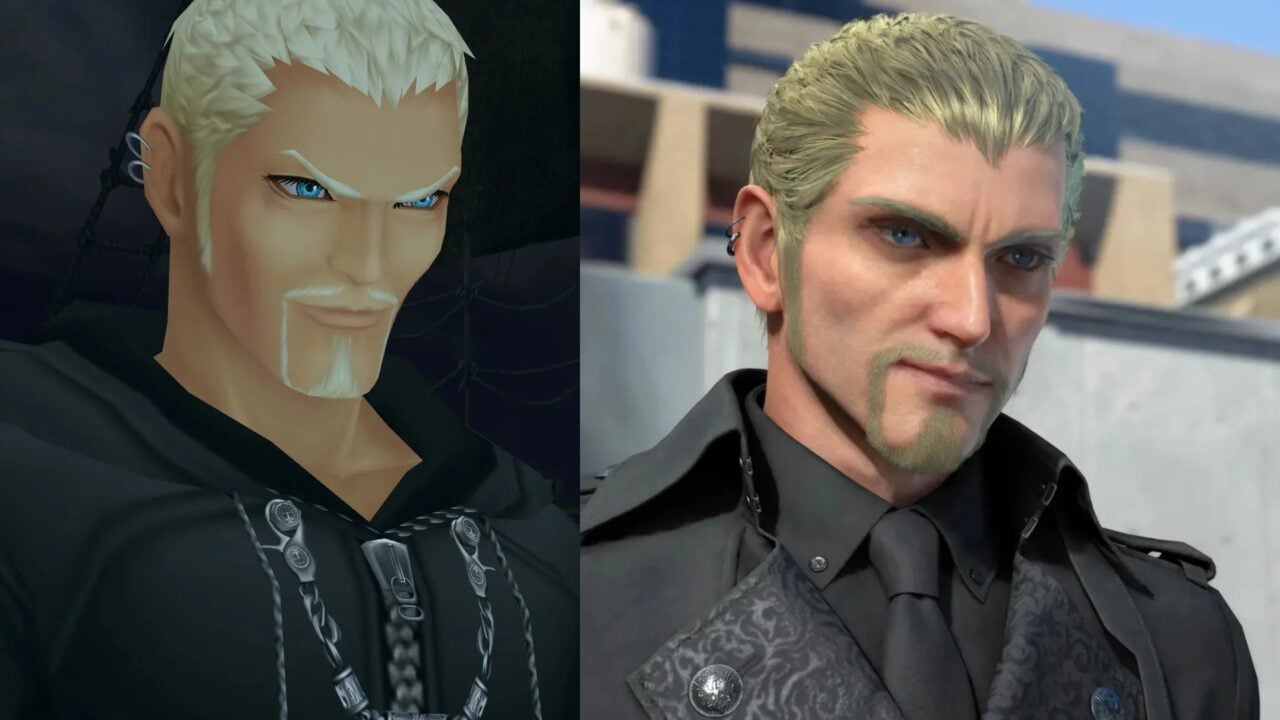
With the introduction of Quadratum, a realm largely influenced by real-life Shibuya, characters are illustrated with greater realism, diverging sharply from their original appearances. According to director **Tetsuya Nomura**, this artistic choice seeks to portray Quadratum as an underworld that is distinctly different from reality for protagonist **Sora**. This transformation highlights a notable shift in the character’s depiction, rendering them less recognizable in their new surroundings.
#### A Matter of Identity Crisis?
The evolution of well-known characters has drawn mixed responses. Luxord, a member of Organization XIII who first emerged in **Kingdom Hearts II**, exemplifies this transformation; fans may find it challenging to align his new appearance with the version they recall from 2006. The technological progress in graphics can be astounding, yet the shift in artistic identity has left some fans yearning for the series’ classic aesthetic.
Significantly, the trailer for **Kingdom Hearts IV** features a fleeting glimpse of Donald and Goofy, who are shown against a backdrop of blue flames. This moment prompts questions about their possible redesigns if they were to enter the Quadratum realm. Will they also undergo photorealistic enhancements, or will Square Enix preserve the traditional stylization for specific characters? These uncertainties contribute to a heightened sense of disconnection between the game’s traditional Disney roots and its evolving artistic vision.
#### The Effect of Original Worldbuilding
As the series delves deeper into its original worldbuilding, the narrative of Sora and his companions risks feeling less like a Disney escapade and more like a separate narrative. While fans remain emotionally invested in the elaborate stories involving Sora, Riku, and others, many lament the fading of the distinct visual identity that previously characterized the franchise. Striking a balance between preserving a connection to Disney’s charm and venturing into new creative paths presents a challenge for the developers.
In light of these apprehensions, a spark of hope arises: Nomura has suggested that Sora and his friends may revert to their recognizable designs once they leave Quadratum. This potential development emphasizes the significance of character consistency as a method of maintaining the series’ link to its Disney heritage.
#### Conclusion
The path toward photorealism in **Kingdom Hearts IV** reflects the franchise’s growth. While advancements in graphics highlight the possibilities for immersive storytelling, the artistic transformations prompt inquiries about character identity and the core of what makes **Kingdom Hearts** distinctive. As fans look forward to more insights about the game, the hope persists that its rich legacy will continue to shine through amid the technological advancements.