**The Guild: Europa 1410: A Reboot of Historical Trading Strategy**
**Overview:**
The Guild: Europa 1410 is a reboot of the earlier strategy game Europa 1400: The Guild, developed by 4HEAD and published by THQ Nordic. Leveraging the success of the well-regarded World War simulation, Last Train Home, this title transports players back to medieval Europe through a blend of trading, strategy, and dynasty management.
**Setting and Visuals:**
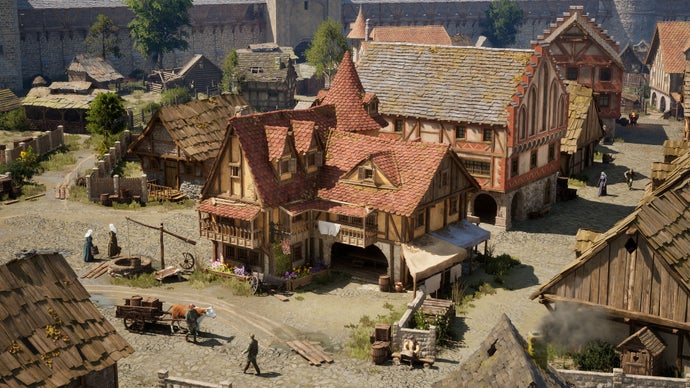
The game’s demo introduces players to Kuttenberg, a Czech city enriched by historical significance and popularized by the RPG Kingdom Come: Deliverance 2. The environment is meticulously crafted, featuring picturesque windmills, bustling markets, and artisan workshops, all under a dynamic day-night cycle. However, navigating the richly detailed world can prove challenging due to the game’s top-down perspective, although it provides a highlight function to assist players.
**Gameplay Mechanics:**
Initially, players may struggle to identify their character among the NPCs that populate the city. The player-controlled character is a 29-year-old alchemist, tasked with navigating the complexities of medieval life. Unlike traditional RPGs, Europa 1410 is structured more as a turn-based dynastic trading board game. Each turn represents a single day, requiring players to prioritize resource management, trade, and business interactions rather than immerse themselves in real-time character actions.
The game emphasizes balancing the manufacturing and selling of goods to cover expenses, taxes, and further investments in business ventures. While players interact with a vast array of systems—including the dynamics of building alliances, accumulating wealth, and navigating social hierarchies—much of the action unfolds through menus and abstracted mechanics, which can detract from the immersion.
**Dynasty and Politics:**
The strategic depth of Europa 1410 lies in its dynastic systems, drawing comparisons to titles like Crusader Kings 3. Players can engage with the town’s notable figures to secure political positions, navigate legal systems, or even employ spies to gain an upper hand over opponents. The potential for romantic entanglements adds another layer of complexity, with players competing to win affections, secure heirs, and solidify their family’s legacy.
**Resource Management:**
As players expand their influence, they need to consider local resources and market dynamics. Living conditions, proximity to resources, and market access all influence the effectiveness of trade operations, with unique challenges like robberies and competition playing critical roles in gameplay strategy.
**Conclusion:**
The Guild: Europa 1410 aims to offer a rich tapestry of medieval life, merging trading, resource management, and political intrigue in a visually stunning environment. However, players expecting a modern life simulation may find themselves navigating an experience that leans more towards structured economic gameplay. While it holds potential for deep strategy enthusiasts, the reliance on menu-driven mechanics may alienate those seeking a more immersive RPG experience. As with any game rooted in historical intrigue, managing expectations will be key for new players approaching this ambitious reboot.