**EA’s New Advertising Initiative: An Old Strategy Wrapped in New Packaging**
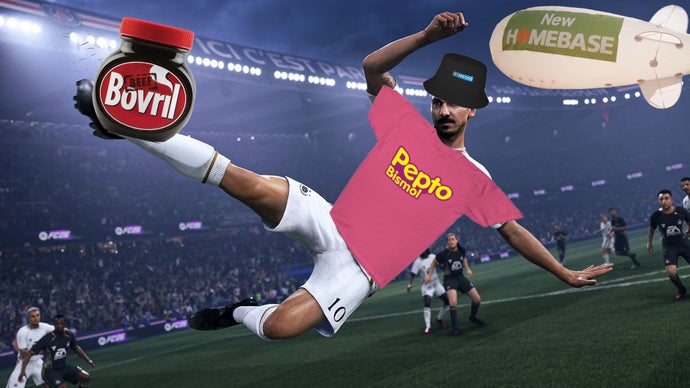
In a bold move that seems to blend nostalgia with modern advertising techniques, Electronic Arts (EA) has unveiled a new advertising platform designed to seamlessly integrate brands into their popular video game franchises. This initiative allows companies to purchase advertising slots within games, effectively turning the virtual worlds of titles like EA Sports FC, Madden NFL, and The Sims into billboards for real-world products.
In a comprehensive press release, EA emphasizes that this platform is “transforming how brands connect with audiences.” The implication is clear: with millions of players actively engaging in EA’s games, there is an unprecedented opportunity for brands to establish a presence where players frequently gather. This raises the question of not just how effective this integration will be, but also how it will affect the gaming experience.
Critics may see this as a cynical strategy to monetize what has always been seen as part of in-game realism. The rationale behind this approach is that players spend countless hours immersed in EA’s worlds, hence brands are keen to tap into that engagement. Players, however, may wonder how these advertisements enhance their gaming experience. Will players feel as if they are genuinely interacting with brands, or will these placements come off as intrusive and unwelcome?
One notable example mentioned in the press release is Mountain Dew’s “Dew University,” where players can expect custom stadiums and in-game rewards tied to the brand. It suggests a heightened attempt to create something interactive, albeit in a way that some may perceive as highly gimmicky. The question remains whether these experiences will be viewed as authentic by players or just another method of infiltration into their leisure time.
Historically, EA has incorporated brand collaborations into game content, such as their previous DLC packs featuring real-world brands like H&M and IKEA in The Sims 2. These prior integrations were part of an ongoing strategy to merge gaming and marketing, creating environments that feel lived-in and authentic—not just simulations, but representations of the players’ own world.
However, this new advertising direction raises broader concerns about the gaming industry’s trajectory. As financial pressures mount—particularly with reports indicating that EA is facing significant debt ahead of a proposed leveraged buyout—many wonder whether this shift toward heavier advertising is a necessary evil or an indicator of a troubling trend. Will increased revenue from such efforts lead to the development of innovative gaming experiences, or will it simply encourage the status quo of creating monetizable content?
Moreover, EA’s strategy seems to echo sentiments within the gaming industry at large, where companies grapple with the challenges of sustainable growth. Microsoft CEO Satya Nadella’s remarks on the need for better monetization of Xbox games further illustrate the industry-wide struggle to find balance between profitability and player satisfaction. As big companies pivot toward emphasizing monetization strategies, players may find themselves caught in a cycle of creative stagnation.
In conclusion, EA’s new advertising platform appears to be a continuation of a long-standing tradition rather than a groundbreaking innovation. While the potential for brands to engage directly with players in their gaming environments could open new doors, it equally risks alienating gamers who prefer a more immersive experience without the constant reminder of commercial interests. As the gaming landscape evolves, one can only hope that the industry will not lose sight of creativity and player engagement in pursuit of profit.