**The Prototype Dilemma: Navigating the Challenges of Game Development in the Indie Scene**
In the competitive realm of video game development, particularly for independent studios, the development of a prototype stands out as a significant hurdle. A prototype, defined as a playable build that demonstrates the core strengths of a game, acts as a crucial proof of concept for potential publishers. Tom Francis, the boss of Suspicious Developments, suggests that an ideal prototype is one that can be developed within a timeframe that developers can afford to lose.
However, many independent developers face the daunting reality that they do not have the luxury of time, and the labor involved in creating a polished prototype offers no guarantees of financial reward. Interestingly, today’s publishers often will not engage unless they can evaluate a playable slice of a game, a trend underscored during discussions at industry events like Digital Dragons in Krakow.
### Insights from Industry Experts
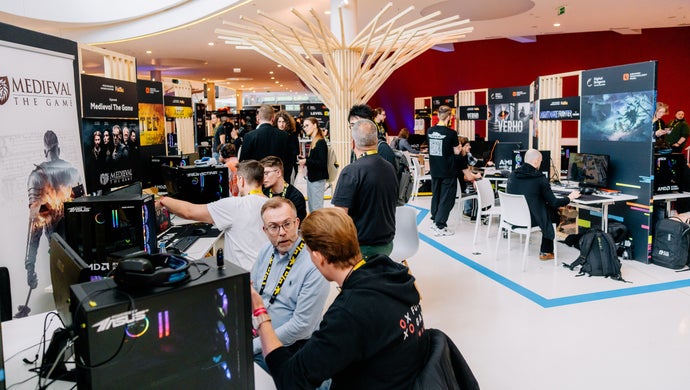
During the Digital Dragons event, industry leaders from notable studios like 11 Bit, Jagex, and Bloober Team shared their perspectives on the prototype’s necessity, alongside indie developers navigating this complex landscape.
Hubert Popławski, lead developer at Maverick Souls Studio, discussed the swift turnaround of their prototype for “Before Darkness Falls,” a 3D survival tactics game. His team, comprising veterans, was able to create a prototype in just six months following initial funding. Popławski noted that while experienced teams can produce convincing demos quickly, less experienced developers often struggle to meet expectations, which can hinder their ability to secure investments or publishing deals.
Rufus Kubica from 11 Bit highlighted the financial challenges indie developers face when attempting to create prototypes, saying, “The biggest challenge is the ever-present problem of indie developers not having budgets for prototypes.” For many developers, securing funding for this initial phase remains a critical barrier.
### The Rising Costs of Game Development
The rising costs associated with developing video games have prompted publishers to adopt a more risk-averse attitude. Michal Gembicki from Bloober Team emphasized the crucial role of a playable prototype in negotiating a publishing deal, asserting that it is nearly impossible to secure funding without one unless the studio has a previous record of successful titles or a well-known intellectual property.
Anna Mostyn-Williams, a senior director at Jagex, reiterated this sentiment, explaining the tendency among publishers to seek ways to showcase a project’s viability, which a prototype provides.
### The Role of Generative AI in Prototyping
As the demand for prototypes intensifies, many developers are turning to generative AI as a potential solution for accelerating the prototyping process. Tools like Amazon Web Services’ “Agentic Arcade” and Unity’s “Muse” have emerged, promising to help developers create playable game prototypes rapidly. While some industry veterans see value in AI for boosting productivity, skepticism about the effectiveness of generative AI in crafting convincing prototypes remains prevalent.
Popławski expressed concerns over the use of AI, noting that reliance on generated content could undermine a team’s credibility. Gembicki and Mostyn-Williams both conveyed similar trepidations, arguing that AI-generated proposals can lack authenticity and the unique artistic flair that resonates with potential publishers.
### Conclusion: The Prototype as a Double-Edged Sword
The pressing need for prototypes continues to shape the indie game development narrative. While these prototypes are essential for demonstrating the potential of projects, they concurrently place immense pressure on indie teams, often transforming a potentially enjoyable creative process into a stressful gamble.
The industry’s evolving landscape, influenced by rising development costs and the cautious nature of publishers, underscores the complexity of securing funding and support. With traditional methods being challenged by emerging technologies, the role of prototypes will remain central to the future of indie game development. As developers navigate these challenges, understanding the balance between creativity and market expectations will be key to their success.