# Laura Fryer and the Transformation of Xbox: A Look Back at 25 Years
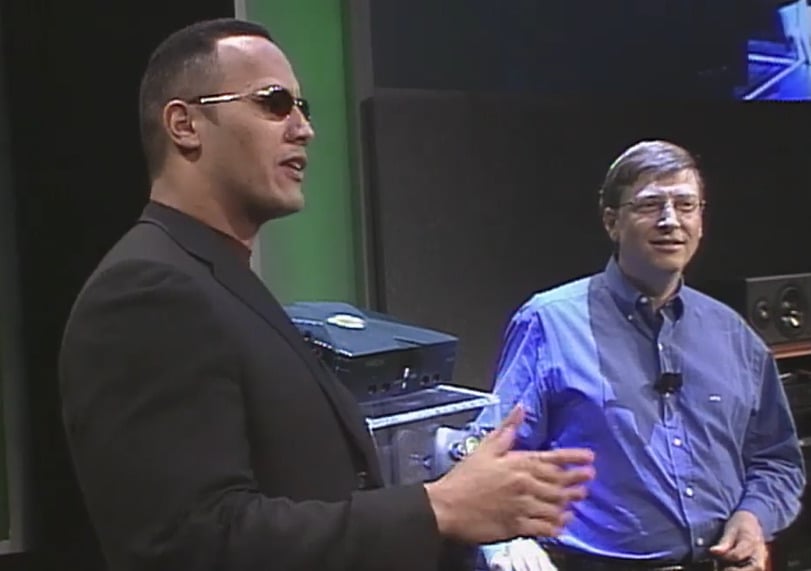
Laura Fryer stands out as a pivotal character in gaming history, especially for her contributions to Microsoft Game Studios during the 1990s. As a producer, Fryer played a part in key titles such as *Crimson Skies* and later emerged as one of the founding figures of Xbox. Although she was vital in the rise of the console, she initially expressed reservations about Microsoft’s transition from software development to hardware production. Recently, in light of reports detailing Xbox’s difficulties, Fryer’s earlier concerns appear increasingly relevant.
## Doubts Initially
Fryer was hesitant about Microsoft’s foray into the console sector. In a recent video, she shared her uncertainties about the future of Xbox, stating, “I was there helping build the very first Xbox, and I was one of the biggest skeptics on the team.” Her concerns were rooted in the overwhelming success of Windows as a gaming platform, which made up over 90% of PC systems at that time. The fear of abandoning such a profitable platform for the unpredictable realm of console gaming weighed heavily on Fryer.
In its formative years, Fryer faced a dilemma between her allegiance to traditional platforms, such as the Internet Gaming Zone, and the new trajectory Microsoft was pursuing with Xbox. Her doubts about Microsoft’s capability to compete with dedicated console makers, who had reliable supply chains and the ability to incur losses for the sake of game sales and licensing, were significant.
## The Ascent and Decline of Xbox
As the Xbox began to find its footing, Fryer’s apprehensions were alleviated to some extent. Microsoft achieved success with franchises like *Halo*, *Fable*, and *Gears of War*—the latter of which Fryer was the executive producer. The company’s innovations in online gaming and dedication to community involvement enabled it to carve out a place in the gaming world.
Nevertheless, as the gaming landscape began to evolve, Fryer’s worries returned. Despite remarkable transformations since the early 2000s, the structure of a corporation like Microsoft continues to be tested by present market conditions. The persistent crunch in AI hardware and shifts in game sales—particularly those influenced by the Game Pass model—have prompted concerns about Xbox’s viability within an ever-changing market.
## An Industry in Flux
While the obstacles confronting Xbox resonate throughout the gaming sector, rivals like Sony and Nintendo possess diversified interests that protect their hardware investments. Conversely, Microsoft’s main offering—a software solution—finds itself less shielded from the disruptions within the ecosystem. Fryer believes that Xbox will ultimately need to revert to focusing on Windows, reassessing its position in a market that has evolved extensively over the last twenty years.
She foresees that the aggressive expansion strategies of the previous decade could have far-reaching effects, potentially resulting in a scale-back of Xbox’s ambitions. As gamers seek out alternatives—some shifting towards Linux-based solutions like the Steam Deck, driven by dissatisfaction with Microsoft—there may be a strategic turn towards a more unified relationship with Windows.
## The Prospects for Xbox
Despite facing challenges, Fryer insists that the core of console gaming will endure. Numerous players enjoy the ease and functionality of a standalone gaming console. “A lot of people love having a dedicated box under the TV that just works,” she observes. Acknowledging this preference, Microsoft is reportedly considering options to blend console experiences with PC gaming, ensuring they do not completely forsake the living room market.
In summary, Laura Fryer’s perspectives underscore the ongoing complexities of the gaming industry and the flexibility needed to address its difficulties. As Xbox continues to progress, grasping the lessons from the past while adapting to the future will be essential for its prosperity.
![April Rewards for Mongil Star Dive Codes [Working]](https://gaitgames.com/wp-content/uploads/2026/04/april-rewards-for-mongil-star-dive-codes-working.jpg)