**Tencent’s Strategic Shift in Video Game Investments**
Recent updates suggest that Tencent, the Chinese tech and entertainment giant, is considering selling off several video game investments, especially those linked to underperforming Japanese studios. This change, reported by Bloomberg, signifies a major transformation in Tencent’s investment approach within the gaming sphere.
### Background of Tencent’s Gaming Ventures
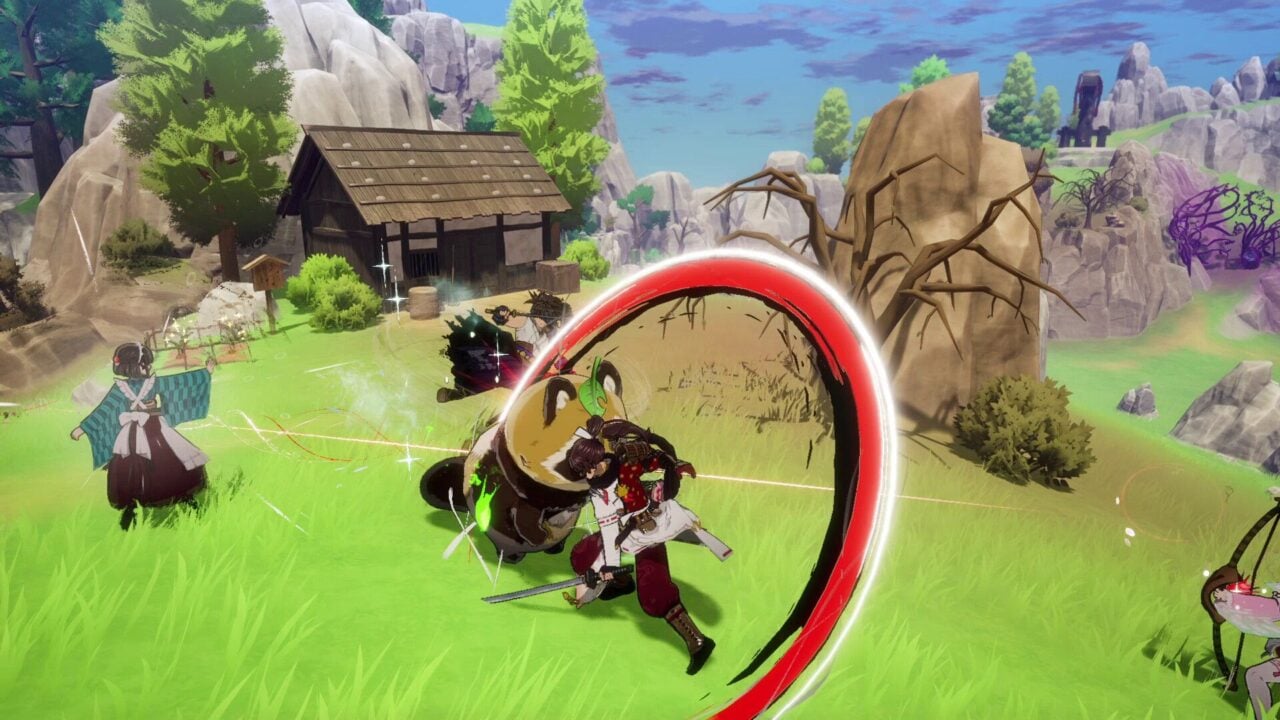
In recent years, Tencent has intentionally acquired minority shares in a variety of Japanese gaming firms, positioning itself as a major contender in the global gaming landscape. Among these investments, Marvelous Inc., recognized for beloved franchises like *Story of Seasons*, *Rune Factory*, and *Daemon X Machina*, has been identified as a studio that has fallen short of Tencent’s performance standards.
### Change in Strategy
Sources cited by Bloomberg reveal that Tencent is looking to develop closer working relationships with the game studios it invests in, shifting from a purely financial role to one that emphasizes deeper collaboration. The new strategy is described as a model wherein Tencent serves as a co-producer, assisting studios with hiring and supplying development resources. This represents a transition from merely investing to actively participating in game title development.
### Market Context and Challenges
This strategic realignment seems to be a reaction to the larger financial challenges impacting the gaming industry, particularly as competition intensifies among Chinese companies like Alibaba and ByteDance in the AI arena. The financial instability within the industry has led Tencent to reassess its investments, with reports indicating that the firm may even consider selling shares at a loss to swiftly exit failing investments.
Importantly, Tencent’s divestment strategy does not appear to target successful studios such as FromSoftware and PlatinumGames, which continue to thrive in the gaming market. This emphasis on retaining stakes in successful studios reflects Tencent’s aim to maintain its reputation and influence within the industry while reducing investments in others.
### Implications and Market Sentiment
The choice to sell stakes back to the original companies, rather than to anonymous hedge funds, is seen as a more advantageous strategy. Nonetheless, this action may raise concerns regarding the future prospects of the studios from which Tencent is pulling back. Acknowledging the circumstances, Tencent reiterated its dedication to the gaming industry, asserting that video games are integral to its business plan and expressing a long-term commitment to the Japanese market.
Marvelous, although referenced in the reports, opted not to provide comments concerning the situation, leaving ambiguity about its future collaboration with Tencent.
### Conclusion
Tencent’s potential divestiture from some of its gaming investments reflects a larger trend of reevaluation in the gaming sector. As it adjusts its strategy, the focus on collaborative partnerships and co-production could alter how Tencent interacts with the global gaming landscape. The success of this revised approach will become evident as the company navigates the complexities of industry dynamics and competitive pressures.