### The Current State of Xbox Studios: Uncertainty and Layoffs
Recent months have seen a wave of speculation surrounding the fate of several studios under the Microsoft and Xbox umbrella. Major developers such as Double Fine, Ninja Theory, and Compulsion are reportedly facing significant scrutiny, with whispers of potential closures or restructuring dominating industry conversations. Adding to this tumult, Undead Labs, the studio known for the popular “State of Decay” franchise, has now joined the list of companies that might be winding down due to underperformance related to Xbox Game Pass and other strategic goals.
#### Cancelled Projects and Financial Strain
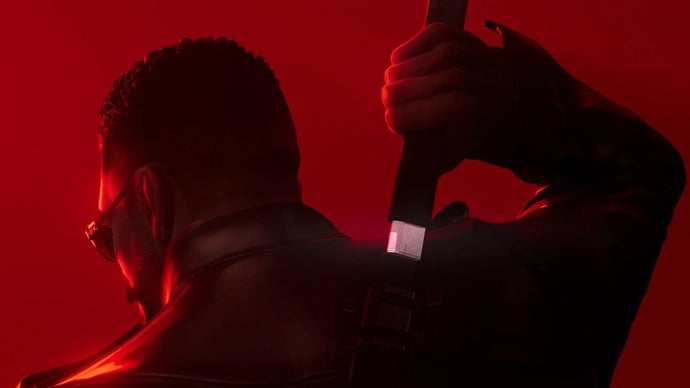
The situation escalated further with alarming reports concerning Arkane Studios, recognized for its critically acclaimed titles. Sources from The Verge revealed that the studio’s upcoming project, “Blade,” which was initially slated for release this year, has seen its timeline pushed back and is already exceeding its budget. Consequently, Microsoft is considering divesting Arkane, following a pattern observed with other studios that have been underperforming.
The expected layoffs within Xbox are set to commence on July 6, affecting a wide array of roles within the organization. Reports suggest that around 1,000 employees could be let go, a number that may grow if studios like those currently under evaluation for closure see their operations shut down entirely, potentially translating to an additional 500 job losses.
#### Impact on Other Studios and Projects
The ripple effects of Microsoft’s cost-cutting measures aren’t limited to Arkane. IO Interactive’s project, “Project Fantasy,” has encountered setbacks after losing its external partner, which has raised concerns about the game’s viability amid Microsoft’s restructuring efforts. Conversely, Hideo Kojima’s horror game, referred to as OD, seems to be insulated from these changes, as confirmed by IGN.
#### Community Support and Future Outlook
As the gaming community witnesses these shifts, the broader implications for game development and employment within the industry are substantial. The enthusiasm for innovation and creativity from these studios is met with contrasting reports of financial prudence and operational efficiency, often to the detriment of creative projects.
In times of uncertainty, it is vital to express solidarity with the developers facing these changes, hoping for a more stable and supportive environment for game development in the future. As we await further announcements, the industry continues to watch closely as this situation unfolds.