**The Character Creation Paradigm in Exodus: A New Approach to RPG Customization**
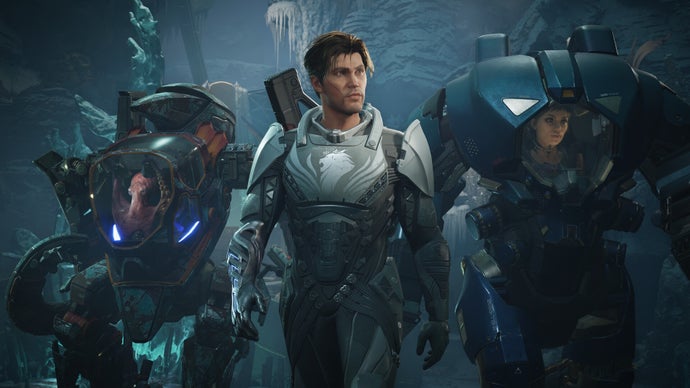
In the realm of role-playing games (RPGs), character creation has long been a cornerstone feature, allowing players to sculpt their virtual avatars down to the minutest detail. This has often involved complex slider systems for every conceivable feature—from chin structure to nostril width. However, Archetype Entertainment, the studio behind the anticipated sci-fi RPG *Exodus*, is charting a different course by opting for a more defined character design approach for the protagonist, Jun Aslan.
### A Shift from Customization Complexity
In a recent community update, Archetype Entertainment, supported by Wizards of the Coast, communicated their decisions regarding character customization for *Exodus*. The studio aims to provide a character with a more established appearance, moving away from an expansive slider-based creator to a system defined by curated options. This means that players will have control over elements like hairstyles, facial hair, hair color, eye color, makeup, and tattoos, while core features of Jun’s face will remain unchanged.
This decision is indicative of a broader trend in game design—shifting focus from an overwhelming array of customization options to a more streamlined, curated experience. The developers acknowledge that while extensive customization tools can be appealing, they can also lead to player frustration. The worry of creating an unappealing character that looks odd from certain angles can overshadow the fun of personal expression.
### Embracing a Defined Character
The choice to set a “defined” look for Jun Aslan has been met with mixed reactions from the gaming community. For players who thrive on the freedom of fully customizing their avatars, this could be seen as a limitation. However, for those who prefer not to spend excessive time tweaking every facial feature, the streamlined customization approach offers a refreshing alternative. It frees players from the sometimes paralyzing complexity of innumerable sliders that can detract from the gameplay experience.
The developers aim to showcase customization elements, such as hairstyles and tattoos, in the coming months to illustrate how players can imprint their personal style onto Jun, despite the fixed aspects of his appearance. This is reminiscent of other successful RPGs where defined protagonists have not impeded player enjoyment or immersion—instead fostering a connection with the character’s established traits.
### The Balance Between Freedom and Structure
Historically, beloved characters in RPGs possess strong identities that resonate with players, even when limited in customization options. Geralt of Rivia from *The Witcher 3* remains a prime example; players do not often express dissatisfaction over their inability to alter his facial features extensively. This highlights a critical aspect of character design—players may value a well-defined character narrative and personality over limitless customization.
The designers of *Exodus* are betting on the strength of Jun’s characterization to win players over. The unique visual and personality traits of the protagonist are expected to enhance storytelling and emotional engagement. As players engage with Jun Aslan, the appeal will largely hinge on how well the character’s defined traits resonate with their experiences and choices throughout the game.
### Conclusion
Archetype Entertainment’s bold decision to redefine character creation in *Exodus* signifies a shift away from traditional, expansive customization options in RPGs. By narrowing down the customization features while focusing on a well-defined protagonist, they aim to streamline the experience and foster deeper connections between players and characters. As the game progresses towards its release, the ultimate reception of this approach will depend on how effectively players embrace Jun Aslan’s character and the choices available to them within the world of *Exodus*.