**The Conclusion of Physical Discs for PlayStation: A Digital Transformation with Implications**
On January 2028, Sony will officially halt the manufacturing of both first-party and third-party physical PlayStation discs, a choice that has incited backlash from the gaming community. Detractors claim this move toward a completely digital gaming environment negatively impacts consumers, removing the conventional ownership experience that discs offer.
**Consumer Issues**
The repercussions of this choice are significant. Gamers will forfeit the ability to share, trade, or lend their games, as physical copies have long been an integral part of gaming culture. Additionally, the convenience of borrowing discs from libraries or friends will disappear. Price differences complicate matters, as physical games frequently cost less than their digital versions. Players with restricted internet bandwidth or data limitations will find themselves at a disadvantage, given that the requirement for an internet connection to install and update games is becoming increasingly common.
Perhaps the most concerning aspect is the instability surrounding digital licenses. Just this week, Sony proved that digital licenses are not necessarily permanent and can be revoked, putting players at risk of losing access to their purchased titles.
**Investigating Unpatched Games**
Alongside these broader consumer consequences, a less recognized effect of the transition to digital is the loss of access to unpatched gaming experiences. Numerous games, upon their release, receive day-one updates that modify gameplay, address bugs, and change content. Physical game versions often enable players to experience the original condition of a title, uncovering hidden secrets and nuances that might have been changed or omitted in later patches.
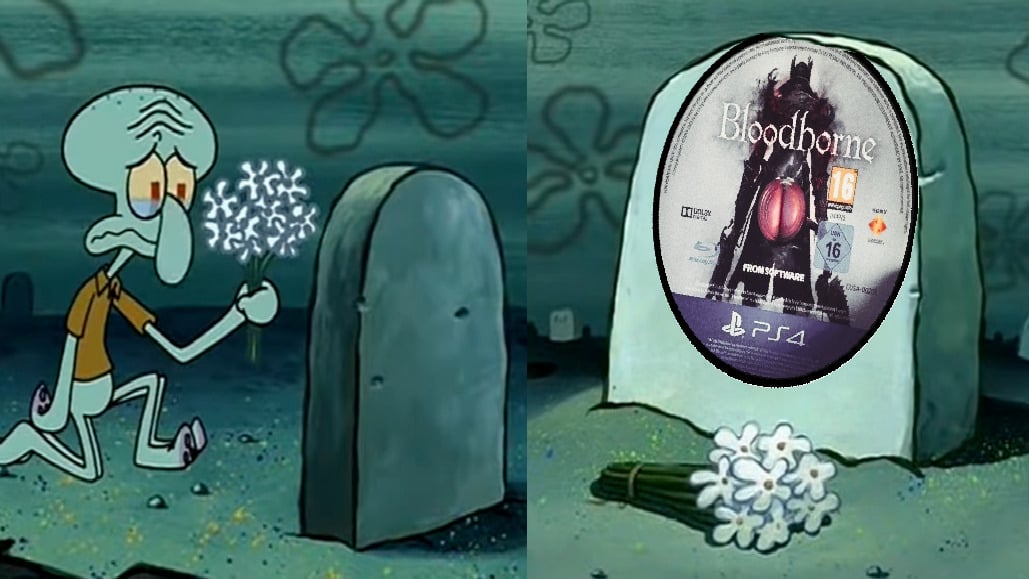
For instance, playing *Bloodborne* on version 1.0 reveals different enemy behaviors and even unique content related to the Doll character that was removed in subsequent updates. Similarly, in *Shadow of the Tomb Raider*, a completely different ending exists in the unpatched edition, uncovered by a player who was offline at launch, leading to an unexpected narrative side that the developers characterized as an error.
Other games like *Final Fantasy XV* showcase inconsistencies between versions, with modified dialogue and storyline elements apparent when contrasting the original release with its later iterations. *Ninja Gaiden 2* is distinguished by a segment that, due to technical restrictions, was altered in later patches to prevent overloading the Xbox 360, leaving the unpatched version as the sole way to experience that chaotic encounter in its entirety.
*Cyberpunk 2077* was released amid significant controversy, and the unpatched variant includes various quirks and features that were later modified or eliminated, creating intrigue regarding the game’s original aims.
**The Digital Horizon: A Mixed Outcome**
As titles like *Stellar Blade* illustrate, even content considered inappropriate can be patched out, reflecting a shift in what is regarded as acceptable in gaming stories and aesthetics. The capacity to document and reflect on these transformations is swiftly fading with the rise of digital exclusivity.
In summary, Sony’s decision to stop producing physical discs signifies a major shift in how games are accessed and perceived. While the convenience of digital gaming is evident, the multitude of consumer rights forfeited in this transition raises concerns for the future of gaming ownership, exploration, and community engagement. As the environment evolves, players are left contemplating what they are genuinely sacrificing in this digital age.