# The Mischievous Adventures of Pippin Barr in Chess Variants
In 2019, Pippin Barr, an experimental game developer and university professor, unleashed a quirky innovation in the gaming world with a browser game that featured eight eccentric variations on chess. This endeavor sparked significant controversy as it appeared to disrespect a game whose history and strategies span over a thousand years. Barr’s intention, however, was to democratize chess and offer non-players a chance to enjoy the game in a more whimsical, engaging manner.
### The War on Dignity
The initial reception of Barr’s variations was rifted with bemusement and disdain. Critics raised their eyebrows as the beloved chess pieces were randomized, and in some instances, the board was altered to render it seemingly slippery. Commentators criticized these creations as an affront to the dignity of chess, suggesting that they resembled the playful whims of a toddler rather than a serious strategy game.
Despite the backlash, Barr continued to forge ahead. In 2020, he released a second set of variations, which included intriguing concepts such as “chess plus fog of war” and a rendition influenced by the minimalist artist Sol LeWitt’s wall drawings. His audacious exploration of chess deepened further with a third installment that proposed outlandish concepts like “chess, but also dressage” and “chess: psionic edition.”
### The Relentless Reimagining Continues
While the second and third rounds of chess variants generated a flurry of attention, they also ignited discussions surrounding the sanctity of traditional board games in the era of digital creativity. However, Barr remained undeterred and recently introduced yet another set of variations on his website.
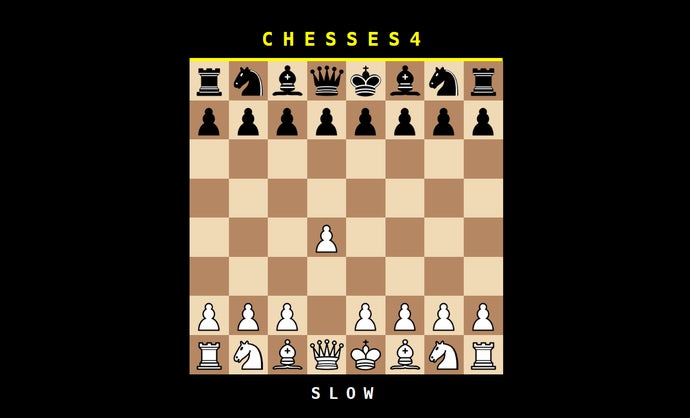
The fourth installment of Barr’s creative journey presents yet another eight ludicrous variants, including ideas such as “what if chess, but on a travelator,” and “what if chess, but also Candy Crush Saga.” Each variant is characterized by its absurd premise, challenging players to navigate the classic game of chess amid a backdrop of ludicrous and chaotic features.
Notably, one variant, simply titled Correspondence, is a straightforward online game where players take on Barr himself. This concept may raise eyebrows, as Barr potentially opens himself up to the scrutiny and competitive spirit of countless chess enthusiasts eager to challenge a university professor and experimental game creator.
### A Plea for Monopoly
As Barr’s endeavors have now resulted in 36 unique twists to the esteemed game of chess, one has to wonder when he might shift his focus to other traditional games. Monopoly has often been criticized for its drawn-out gameplay and contentious mechanics, leading to discussions about whether it too deserves an outbreak of playful experimentation. Many critics, particularly laypeople, argue that infusing Monopoly with new, imaginative variants could significantly enhance the gaming experience, similarly to what Barr has done with chess.
### Conclusion
Pippin Barr’s journey through the realm of chess variants exemplifies the power of creativity in game design. While traditionalists may cringe at the audacity of these maneuvers, Barr’s goal of making chess accessible and enjoyable for a broader audience reflects a modern take on play, challenging the status quo. As he continues to push the boundaries of what chess can be, one cannot help but anticipate what absurdities he might dream up next, whether in chess or perhaps, in the mundane confines of Monopoly.