Sonic the Hedgehog has experienced both triumphs and tribulations over the years, facing various obstacles particularly in the 2010s. A significant downturn occurred with the launch of 2014’s *Sonic Boom: Rise of Lyric*, which was met with harsh criticism. Nonetheless, the decade also introduced one of the most praised installments in the series: 2017’s 2D *Sonic Mania*. In 2026, Sega celebrated the franchise’s 35th anniversary at Anime Expo, hosting a panel entitled “Sonic the Hedgehog Animated Shorts: A Frame-by-Frame Retrospective,” which focused on the development of *Sonic Mania* and its impact on revitalizing the franchise.
The panel, led by Sega strategy director Aaron Webber, discussed how mainline Sonic titles had not lived up to Sega’s standards a decade earlier. The negative reception of *Sonic Boom: Rise of Lyric* led to a reduction in the Sega San Francisco office, which subsequently moved to Los Angeles. Social media sentiments reflected these struggles, with unfavorable comments on Twitter asserting that Sonic had lost its allure and urging Sega to “let Sonic die.” Rather than withdrawing, Sega proactively engaged with fans via social media, participating in meme culture and interacting directly with the audience.
Understanding the necessity for enhanced game production, Sega brought in designer Takashi Iizuka and artist Kazuyuki Hoshino for help. A noteworthy proposal came from Christian Whitehead, recognized for his contributions to earlier Sonic game ports. Initially, there was a bit of tension during Whitehead’s pitch—Iizuka stayed silent and exited the room. Ten minutes later, he returned and clearly expressed his support for the project by writing “*Sonic Mania*” on a whiteboard.
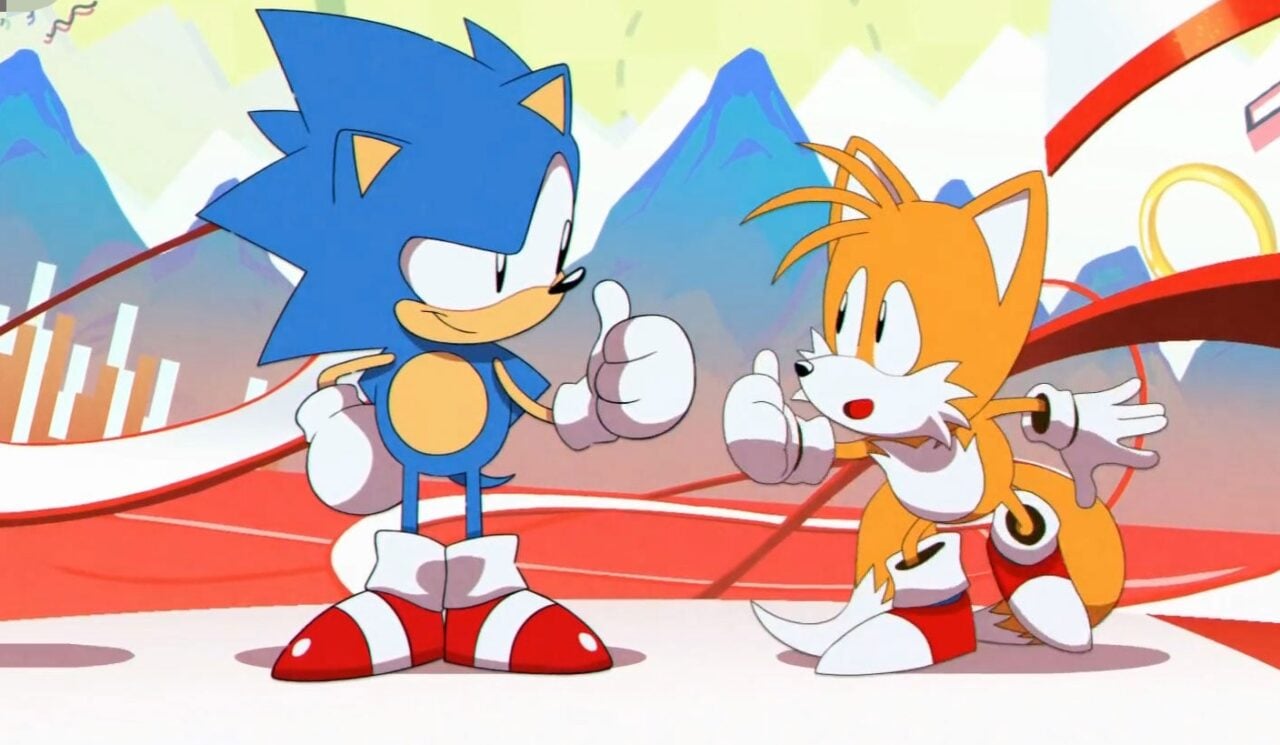
Ultimately, *Sonic Mania* emerged as one of the best-selling and most lauded titles in the franchise, credited with rekindling interest in the character. Sega built upon this success by releasing *Sonic Mania Plus*, which introduced new content and a physical version. They also launched an animated short series, *Sonic Mania Adventures*. Animator Tyson Heese expressed a desire for more ambitious animations while acknowledging budget limitations that restricted their options to either black-and-white sketches or pixel art. Ultimately, they chose to create a full cartoon, leading to the production of *Sonic Mania Adventures*.
Following this successful endeavor, Sega maintained the momentum by continuing to create animated shorts for subsequent mainline titles and spin-offs, such as *Sonic Superstars: Trio of Trouble*, *Sonic Frontiers Prologue: Divergence*, and *Sonic Racing: Crossworlds*. Alan Wan, co-founder of Studio Giggex, played a role in the animations for *Dark Generations* and *Crossworlds*. Wan noted that Sonic Team was distinctive in its willingness to embrace creative risks, providing a platform for innovative concepts.
The panel wrapped up with Sega revealing a new animation, *Sonic the Hedgehog: Memories and Beyond*, to honor the franchise’s milestone. The trailer showcased exhilarating action as Sonic and his friends fought against Dr. Eggman and Metal Sonic. The plot unveiled Eggman’s scheme to enhance Metal Sonic by obtaining Sonic’s life data and the power of the Chaos Emeralds.
Although no release date was provided for the new animated short or upcoming games, the panel left fans buzzing with anticipation about the potential future of the series. Many shared their hopes for Sonic’s return to the action-adventure genre, eager to see if Sega could replicate the success of *Sonic Mania* instead of delivering another underwhelming title like *Rise of Lyric*.