### The Dispute Involving Valko in *Love and Deepspace*: An Intricate Tale
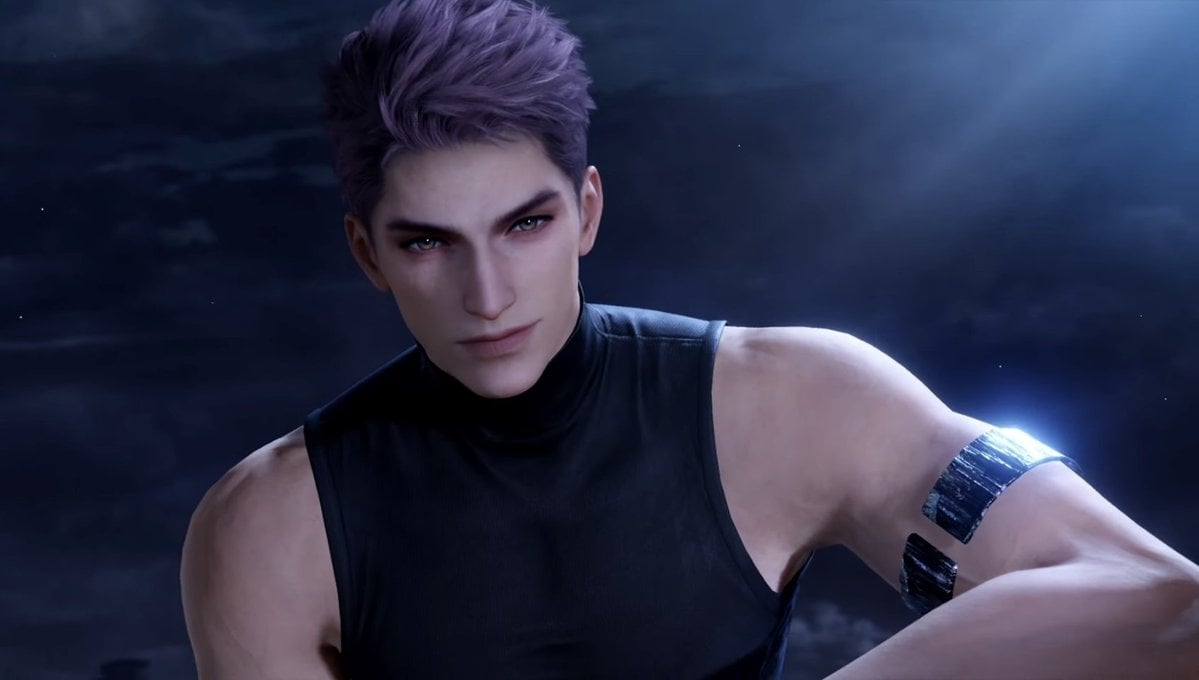
The recent developments related to the gacha game *Love and Deepspace* have evolved into a complex dispute that intertwines fan passion, corporate strategies, and governmental oversight. The situation intensified after the introduction of the sixth romantic prospect in the game, a werewolf named Valko, which triggered a backlash from certain factions of the fan community, ultimately leading to the character’s discontinuation.
#### Community Responses and the Petition
Following Valko’s introduction, a considerable segment of the community voiced apprehensions about how the character was depicted, resulting in a petition that collected over 300,000 signatures calling for his removal. While a segment of fans welcomed Valko’s addition as a romantic interest, a vocal minority felt uneasy about his characterization, believing it encouraged unacceptable behaviors. This dispute gained momentum when reports emerged of extreme actions taken by some fans, including dispatching offensive items to the game’s creators, Papergames.
#### Papergames’ Exit from BilliBilli World 2026
Amid the rising tensions, Papergames announced the removal of *Love and Deepspace* from BilliBilli World 2026, one of Asia’s major anime and gaming conventions. The developers referenced the situation’s repercussions on all players and the game’s standing in a statement circulated on social media. The choice to withdraw the game from such a prominent event underscores the seriousness with which the developers are addressing the backlash.
#### Government Involvement
A noteworthy turn in the ongoing situation is the engagement of the Chinese Ministry of Public Security. In a statement addressing Valko’s promotional material, the Ministry expressed concerns about concepts presented in the game that might be viewed as glorifying unlawful activities, emphasizing issues of public safety and morality. This governmental examination aligns with China’s stringent regulations related to video game content, in which the state plays a significant role in overseeing and approving materials for public consumption.
The Ministry’s statement raised questions about whether the portrayal of various interactions within the game could normalize or trivialize hazardous behaviors, linking entertainment content to real-world actions. This intervention suggests that Valko’s character may be perceived not only as contentious but potentially detrimental within the scope of existing legal standards.
#### The Wider Implications
The narrative concerning Valko in *Love and Deepspace* extends beyond the singular character; it relates to themes of corporate responsibility, audience reaction, and regulatory influence in game development. The backlash against Valko mirrors broader societal anxieties regarding the potential repercussions of video game content, especially concerning adolescent behavior and social norms.
Papergames’ response to the adverse sentiments appears to align with a strategy aimed at alleviating backlash and circumventing possible regulatory consequences, emphasizing the intricate balance developers must maintain between creative freedom and societal demands.
#### Conclusion
The cancellation of Valko as a romantic interest in *Love and Deepspace* serves as an illustrative case of the intersection of fandom, corporate decision-making, and governmental regulation in the gaming sector. As developers confront increasingly intricate feedback from players and scrutiny from authorities, the industry must reflect on the consequences of their narrative choices with greater deliberation than ever. For the supporters of Valko, this outcome signifies not only a defeat for their advocacy but also underscores the intricate dynamics at work in the landscape of video game culture.