**Persona 4 Revival: Addressing Homophobia and Character Modifications in a Timeless RPG**
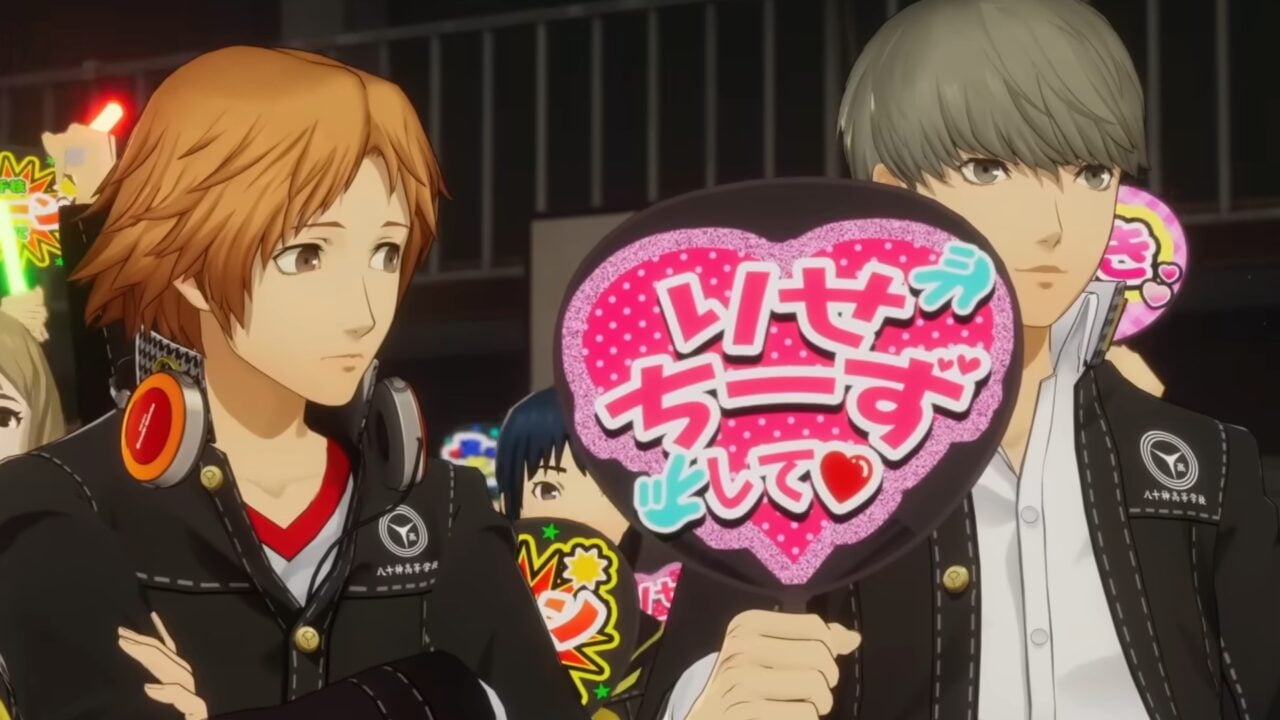
*Persona 4 Revival* aims to bring back a nearly two-decade-old game for a new audience, showcasing themes of camaraderie and self-acceptance. Yet, its return comes with scrutiny over aspects that conflict with these themes, particularly concerning homophobic undertones linked to Yosuke, one of the game’s figures. The original *Persona 4* included Yosuke’s pejorative comments directed at Kanji, whose shadow self appeared as a gay character, and even illustrated Yosuke’s struggle with his masculinity. As the revival nears, inquiries arise about how developer Atlus will tackle these contentious elements.
In a discussion at Anime Expo, producer Kazuhisa Wada revealed that while the foundational story and character dynamics will remain unchanged, modifications will be made to Yosuke’s characterization. “He’s a little bit insensitive in terms of how he treats outsiders sometimes,” Wada noted, highlighting a push to make Yosuke’s role more pertinent to modern dialogues surrounding inclusivity.
Yosuke’s insensitivity is particularly clear in his dealings with Kanji, where he implies threats concerning Kanji’s sexual orientation. Such instances not only shaped his character but also contributed to a broader narrative that lacked a definitive disapproval of homophobic conduct. Consequently, many players have branded Yosuke as a homophobe, a label that has endured through later adaptations, including the anime and related spin-offs like *Persona Q: Shadow of the Labyrinth*.
The lack of repercussions for Yosuke’s actions in the initial game has sparked fan conversations about a possible romantic storyline that might reinterpret his behavior as arising from insecurity about his own sexuality. Although some game files indicate that such a route was once under consideration, it ultimately did not reach the final version. Fans have also developed mods to reinstate this dialogue, demonstrating a desire to delve into more complex representations of queerness that the original game frequently overlooked.
In recent releases, Atlus has begun to signal a more progressive approach to LGBTQ+ representation, modifying or reimagining scenes to align better with contemporary sensitivities. However, these alterations have often shied away from wholeheartedly accepting same-sex relationships, leaving some fans hopeful that *Persona 4 Revival* could shift towards inclusivity beyond superficial tweaks.
The revival must carefully navigate the intricate relationship *Persona 4* has with queer identity. While the original game tackles themes of self-acceptance, its treatment of these issues can be perceived as flawed and inconsistent, presenting a challenge for Atlus in remaking this cherished title. Early visuals from the *Revival* reveal alterations to Kanji’s shadow self, now illustrated with both male and female symbols, suggesting potential changes in character representation. Nevertheless, the outcomes of these adjustments remain uncertain.
Ultimately, *Persona 4 Revival*, scheduled for launch on February 18 for PC, PS5, and Xbox Series X/S, must find a delicate equilibrium in refreshing its story while staying true to the essence of the original. How it handles Yosuke’s problematic actions, along with other aspects related to queer identity, will influence how this nostalgic title is received in a modern context. The gaming community is keenly anticipating how these intricate themes will be addressed in the remake.