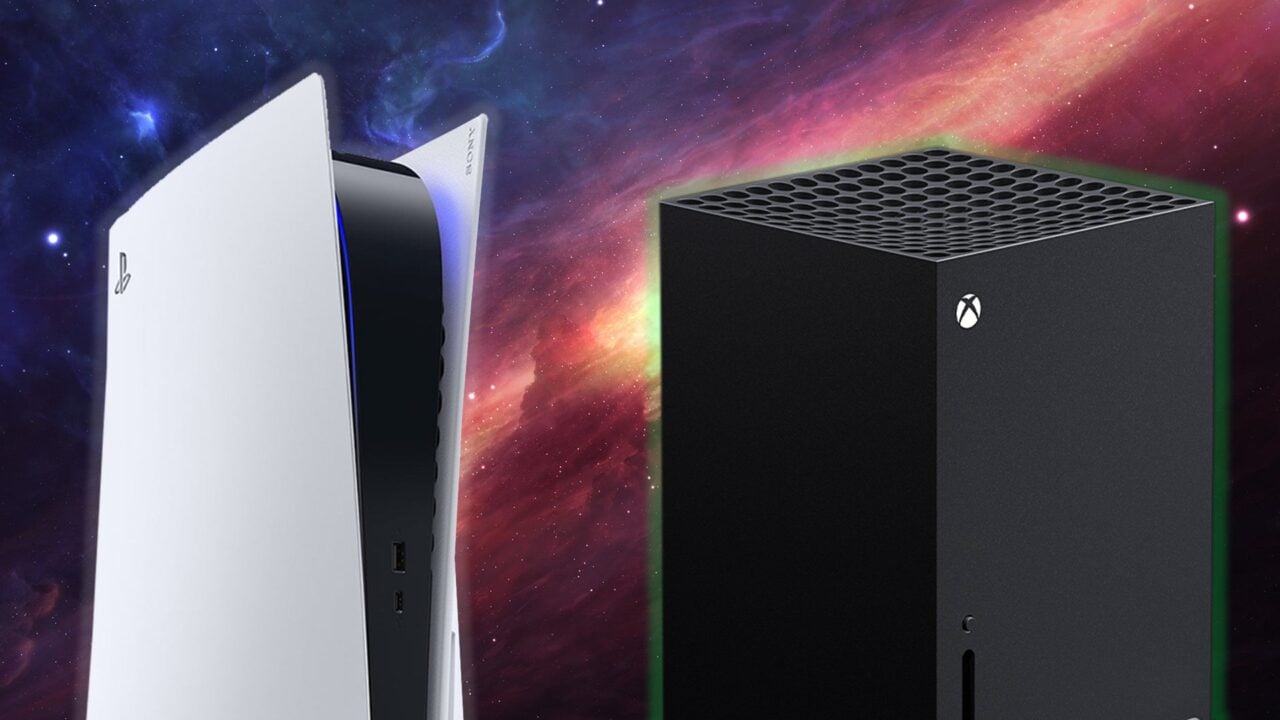
**The Future of Gaming Hardware: A Critical Junction for Consoles**
Gaming hardware has traditionally been regarded as an essential medium for accessing content within the gaming ecosystem rather than a direct revenue generator. This viewpoint, emphasized by insights from industry experts like Peter Moore, the former president of Sega of America, illustrates the delicate balance that console manufacturers must maintain concerning pricing, production expenses, software selections, and market needs.
### The Pricing Dilemma
Discussions surrounding console pricing have escalated as manufacturers struggle with significantly rising expenses, especially due to the surging demand for semiconductors spurred by the AI surge. As Moore observes, “Chips are now priceless,” highlighting that the gaming industry encounters major difficulties in sourcing the required hardware elements to create competitive consoles. This scarcity not only affects production expenses but also raises questions about how these costs will be transferred to consumers.
The cost of consoles may rise to levels that could drive away potential customers. Industry figures like Shawn Layden, the former CEO of Sony Interactive Entertainment America, stress that a hefty price could severely dampen adoption rates, particularly if new systems debut with a limited selection of games available.
### The Demand for Creativity
Both Moore and Layden concur that creativity is essential for maintaining the gaming audience amidst escalating hardware expenses. However, they differ in their views on the source of this creativity. Layden contends that the emphasis should shift to software development, arguing that a wider array of game genres is necessary to draw in new players. He voices concerns about a tendency to focus on established franchises, which could potentially alienate broader audiences.
Layden compares the progression of gaming to other artistic formats, asserting that variety in game types will be crucial for engaging new demographics. He champions a broader creative perspective toward game design, moving away from repetitive genres that may only attract devoted gamers.
Conversely, Moore emphasizes the need for shifts in business models rather than just hardware improvements. He proposes that bundling services or implementing subscription-based models could present a feasible pathway ahead, akin to the razors and blades approach seen in other technology fields. This method can alleviate the financial strain on consumers by making high-cost hardware more attainable while generating revenue through software and service sales.
### The Final Console Generation?
Amidst these challenges, a significant question looms within the gaming community: Is this the final console generation? While historically, hardware has been viewed as indispensable, Moore suggests that with technological advancements, including potential integration into smart TVs and enhanced cloud gaming options, the traditional console may no longer be required.
He theorizes that if the gaming industry does not adapt and innovate promptly, players may shift towards alternative platforms, such as PCs or streaming devices, effectively bypassing dedicated consoles entirely. This transition could redefine what it means to “play a game,” changing the landscape from hardware-dependent experiences to more fluid and accessible gaming formats.
### The Path Forward
As the gaming hardware market traverses this crucial juncture, the equilibrium between pricing, innovation, and consumer expectations will shape its future. Both Layden and Moore highlight the pressing need to adjust strategies in light of rising costs and evolving consumer behaviors. Without actionable reforms, the industry risks further alienating potential players, constraining growth, and perhaps even transforming the very framework of gaming as we understand it.
In summary, the convergence of escalating costs, technological progress, and the desire for innovative game offerings presents a complicated challenge for the gaming hardware industry. How developers react in the upcoming years will likely determine the viability of consoles and the overall gaming landscape, as they strive to engage a wider audience while contending with production and pricing limitations.