## The Challenge of Rhythm in *Rift of the Necrodancer*
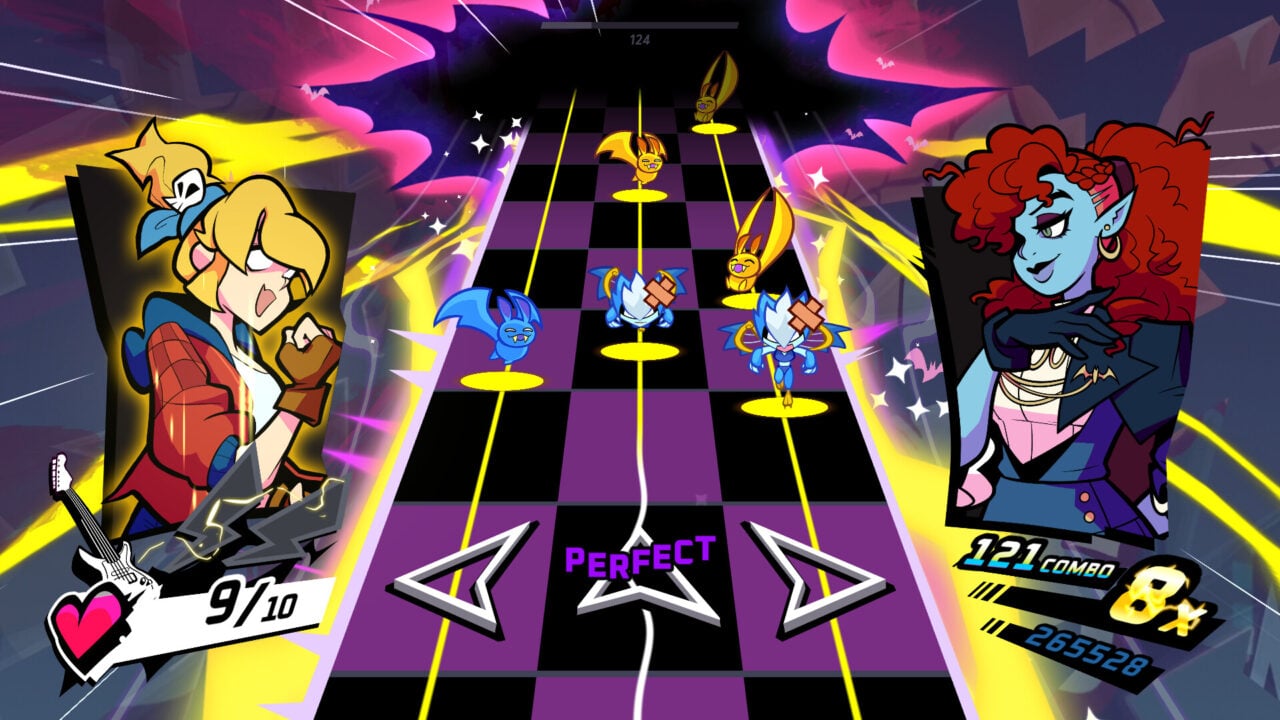
*Rift of the Necrodancer* has initiated a profound contemplation on the complex connection between the mind and body, especially in the context of rhythm-centric gaming. This game, part of a genre made famous by titles such as *Guitar Hero* and *Rock Band*, presents players with a distinctive twist: rather than pressing notes in sync with music, they must vanquish monsters advancing on three lanes, in step with the beat of the soundtrack. Each creature comes with unique challenges, requiring exact and timely button presses.
### How the Game Works
In *Rift of the Necrodancer*, participants interact with rhythm game mechanics where each incoming foe symbolizes a beat. To achieve success, players are required to press the correct directional buttons—the left, right, or up—at the precise moment. However, in contrast to conventional rhythm games where notes approach players, *Rift*’s mechanics necessitate that gamers take into account the specific behavior of each monster.
With the Nintendo Switch 2, the preferred input method can greatly influence gameplay experience. Players have the option to use either the D-pad or face buttons to manage their inputs. Consequently, gamers encounter a unique challenge: certain monsters demand simultaneous button presses or quick transitions between hands, making gameplay even more intricate.
### The Frustration of Uncoordination
In striving to align the mechanics with an intuitive control method, numerous players (even experienced rhythm aficionados) may face difficulties. A player encountering early failure on *Rift’s* medium difficulty frequently expresses their frustration over the disconnect between brain and body. In the effort to keep rhythm, the physical execution of button presses might seem fragmented. Rather than flowing with the music, the player’s mind attempts to dictate each action, causing a disconnection between intent and execution—a situation recognizable to anyone who has ever confronted a sudden mental lapse in a rhythm game.
### The Intricacy of Enemy Behavior
The richness of *Rift of the Necrodancer* is enhanced by the differences in monster behavior. Monsters of various colors signify how many button presses are needed to defeat them: green monsters necessitate one hit, blue require two, and yellow call for three. This, combined with the movements of the monsters, can place players in a challenging situation. For example, when confronted by a blue bat and a yellow skeleton, devising the necessary hits while maintaining rhythm introduces an additional layer of complexity.
### The Humbling Experience
The experience of repeated failure can be a humbling one, particularly when players recall their previous achievements in other rhythm titles. The realization that competence isn’t always assured, and that some skills may take time to reacquire, can be startling. The songs themselves, often catchy and engaging, amplify the urge to master the controls, yet may further frustrate players when synchronization falters.
### Conclusion
*Rift of the Necrodancer* functions as both a rhythm game and a challenge to one’s ability to align mental intent with physical action. For those who find themselves at odds with their own capabilities, it can encourage thoughtful reflection on the essence of skill and challenge in gaming. As players navigate this darkly whimsical realm, they may discover that they are not merely battling monsters but also grappling with the intricacies of their own coordination and rhythmic awareness.