**The Debate Around “Mushoku Tensei: Jobless Reincarnation”**
As the allure of anime continues to rise, audiences consistently seek out engaging series to enjoy. Among the vast array of choices, one title that has ignited considerable debate is *Mushoku Tensei: Jobless Reincarnation*. While some regard it as a revolutionary isekai production, this anime is also heavily scrutinized for its disturbing themes and imperfect character arcs.
**Synopsis of the Anime**
*Mushoku Tensei* narrates the story of Rudeus Greyrat, a 34-year-old individual who, following his demise, finds himself reincarnated as an infant in a fantastical realm called the Six-Faced World. Retaining memories from his previous existence, Rudeus is viewed as a magical genius by his new family. Although the premise aligns with classic isekai conventions, often featuring rebirth in magical universes, the series strives to set itself apart by showcasing Rudeus’s path of self-realization and development.
**Quality of Animation and World-Building**
The series has received acclaim for its outstanding animation quality, attributed to Studio Bind’s proficient production efforts. Viewers frequently praise the detailed world-building, highlighting the clearly articulated magic system and vibrant environment established by author Rifujin na Magonote. Despite the praise surrounding its visual aesthetics and world construction, numerous watchers and critics contend that these components alone cannot mitigate the deeper narrative issues.
**Controversial Motifs and Character Examination**
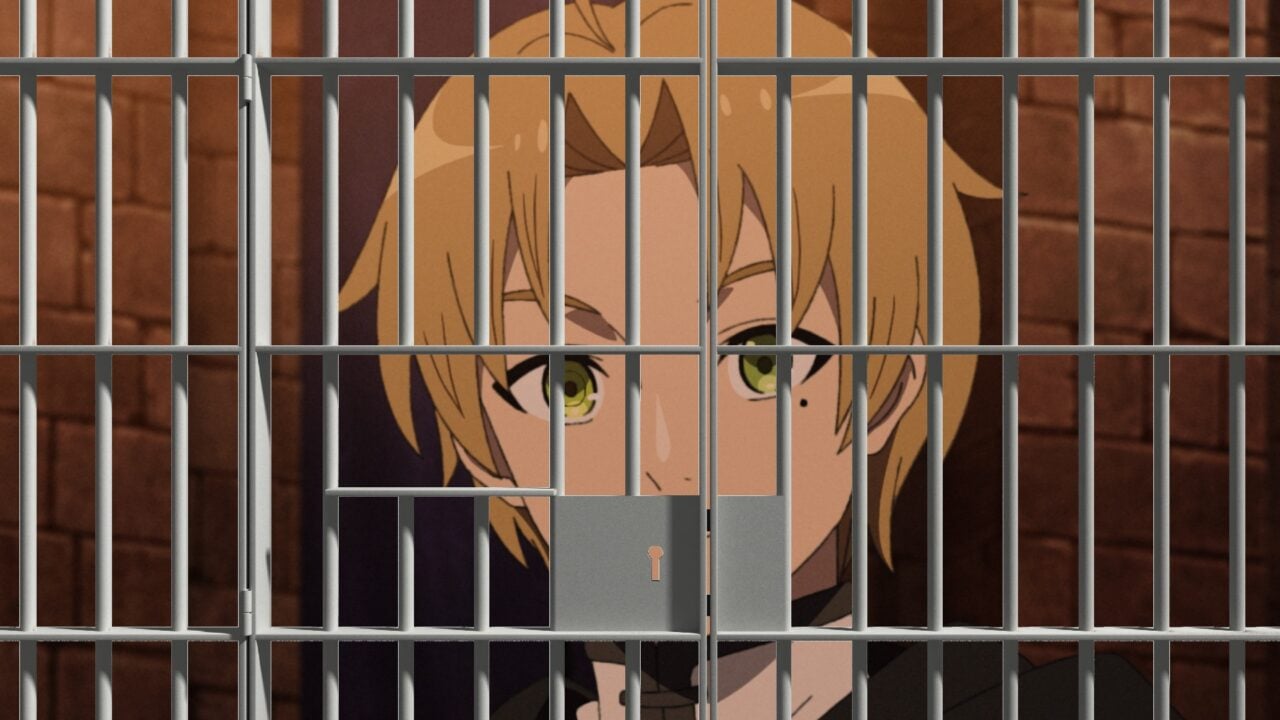
A significant source of debate within the series is its main character, Rudeus Greyrat. His character portrays various negatively viewed traits, such as immorality and egotism. Detractors emphasize how Rudeus is depicted as an extremely flawed character who often resorts to inappropriate conduct, especially concerning his interactions with younger female figures. This depiction raises crucial ethical questions regarding the implications of his actions throughout the narrative.
An important facet of the story is its purported effort to create a redemption storyline for Rudeus. While the series hints at his intention to evolve into a better person, audiences remain uncertain if this voyage genuinely aligns with the theme of personal development. Instances of grooming and exploitation occur without substantive repercussions, leaving many feeling that Rudeus evades adequate consequences for his behavior.
The finale of the first season exemplifies these concerns, where Rudeus becomes involved in a sexual relationship with a significantly younger character, a turn of events that has faced considerable backlash. Critics assert that plot developments of this nature not only fail to confront the troubling aspects of Rudeus’s character but also convey detrimental messages regarding accountability and consent.
**Closing Thoughts: A Word of Caution**
Although *Mushoku Tensei: Jobless Reincarnation* features remarkable animation and detailed world-building, the profoundly problematic themes embedded in its narrative cannot be ignored. The representation of Rudeus Greyrat as a flawed protagonist brings forth ethical dilemmas that overshadow the series’ technical merits. For those looking for thought-provoking and responsible narratives within the isekai genre, it may be prudent to consider alternative series that uphold narrative integrity while avoiding sensationalism.
In conclusion, *Mushoku Tensei’s* blend of striking visuals and a contentious protagonist results in a polarizing reception. It is crucial for prospective viewers to approach this series with an awareness of its thematic intricacies and the significant discussions it prompts about morality and character growth in anime.