## The Transformation of Video Game Studios: An In-Depth Look at Identity and Transition
In recent times, the video game sector has experienced a surge of widespread layoffs, prompting a reevaluation of the essence of being a video game studio. As studios shut down, reorganize, or alter their workforce, we confront significant inquiries regarding identity, continuity, and the fundamental nature of the creative process in a medium that is innately collaborative.
### Characterizing a Video Game Studio
A video game studio functions as a collective of individuals, each contributing their distinct skills and viewpoints toward the development of a game. Unlike other media forms, such as literature or music—where authorship typically remains stable—video game creation often involves various teams and individuals throughout projects. The brand linked to a studio might convey a sense of prestige or anticipation, yet the personnel associated with the name can fluctuate markedly over time.
### The Assumptions We Hold
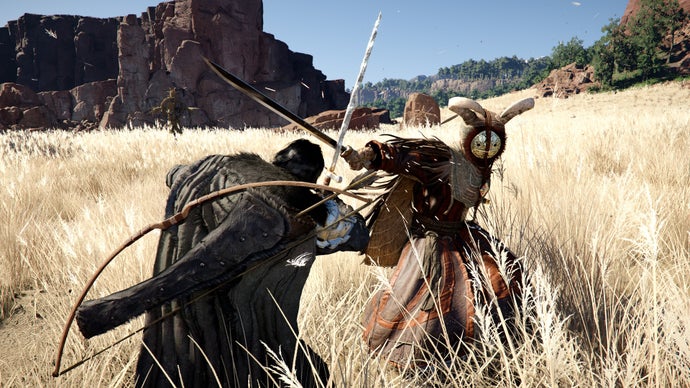
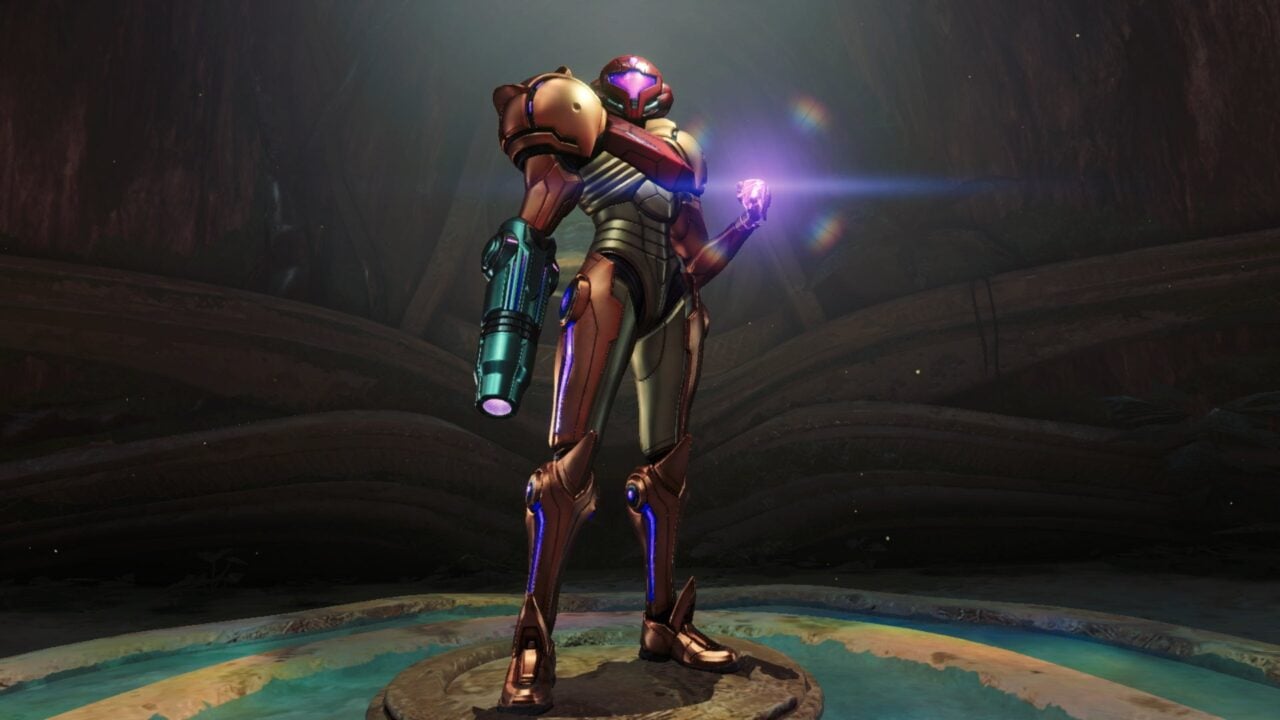
When conversing about video game studios, particularly established names like Retro Studios, there’s a tendency among the gaming community to presume continuity. For instance, when Retro Studios was designated as the developer for *Metroid Prime 4*, many fans anticipated the quality linked to their prior title, *Donkey Kong Country: Tropical Freeze*. This enthusiasm, however, overlooks the reality that staff transitions are an ordinary aspect of the industry.
### Staff Changes: An Examination
To grasp turnover, consider the staffing alterations between *Tropical Freeze* and *Metroid Prime 4*. Drawing on data from Mobygames, a thorough investigation of credited individuals revealed notable shifts. Out of 349 individuals credited in both games, merely 60 participated in both projects. Retro Studios experienced the departure of 42 individuals and a remarkable influx of 247 new staff for *Metroid Prime 4*. This results in a workforce increase from approximately 102 to over 307, indicating a move toward a larger, more contractor-driven workforce.
The turnover trends suggest that while certain departments like engineering maintained staffing continuity, others like art displayed significant variability. For instance, the concept art team expanded dramatically, indicating a clear distinction in staffing strategies as the studio enlarged its project scope.
### Contractor Dynamics
A key insight from this review is Retro Studios’ increasing dependence on contract labor. *Metroid Prime 4* not only engaged a larger pool of workers but also created numerous specialized contractual positions. While *Tropical Freeze* relied more on full-time employees, *Metroid Prime 4* highlighted a varied team primarily consisting of contractors. This mirrors broader industry practices where companies pursue flexibility and specialized skills over conventional employment structures, resulting in dynamic yet potentially precarious workforce environments.
### Leadership and Cultural Shifts
In addition to personnel changes, alterations in studio leadership occurred between the two games. Prominent individuals advanced within the studio while others left, hinting at a reconfiguration of team dynamics and creative vision. The core of a studio can transform with leadership changes, affecting how projects are approached and implemented.
### The Identity Query
As we reflect on whether Retro Studios, as it stands today, is the same entity that created *Tropical Freeze*, we face a philosophical dilemma similar to the Ship of Theseus. Is a studio characterized by its original team or by its name and historical output? It becomes evident that change is both unavoidable and essential to the creative process.
While clear answers about when a studio stops being itself may elude us, increased turnover and restructuring—as observed in scenarios of mass layoffs—represent pivotal moments that can redefine a studio’s identity. The community’s emotional connection to a studio’s legacy complicates this narrative; we often romanticize the names and past achievements, frequently overlooking the fact that the creativity behind them is human, fluid, and susceptible to change.
### Final Thoughts
In summary, the transformation of a video game studio encapsulates the intricacies of collective creative efforts. It emphasizes the notion that video games are not simply the result of individual vision but are the outcomes of collaborative activities that can shift and develop over time. Acknowledging these transformations is vital as we celebrate the lasting legacy of studios while also recognizing the dynamic nature of the people who bring our cherished games to fruition. As we look to the future, it is essential to honor both the names tied to our favorite titles and the constantly evolving teams that propel the industry forward.