**The Clash of RPG Philosophies: Obsidian vs. Bethesda in Fallout**
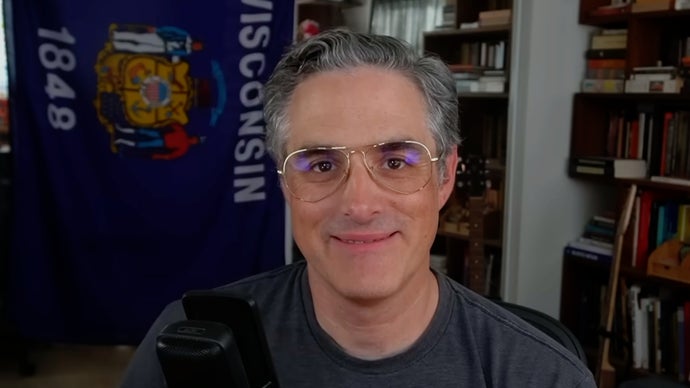
In the realm of role-playing games (RPGs), few discussions ignite passionate debate like the differing philosophies of game development studios. The “featured image” referenced introduces us to Josh Sawyer, the director of *Fallout: New Vegas*. He has become a key figure in discussions surrounding the design and narrative structure of RPGs, particularly as Obsidian prepares for a new *Fallout* installment amid reports of a rival entry from Bethesda. Sawyer’s insights provoke thought regarding player expectations and the consequences of their choices within game worlds.
During an interview with *The Examined Game*, Sawyer commented on the conditioning of players in RPGs to expect overwhelming control over their experiences. He specifically referenced Eothas, a character from *Pillars of Eternity 2: Deadfire*, to illustrate how there are some outcomes in games that players cannot alter, emphasizing a “sense of agony” arising from decision-making. This agony stems from the reality that players can make impactful choices, but ultimately, not every scenario can lead to their desired outcome, creating a tension-filled experience that feels more grounded than a simple power fantasy.
This philosophical divide becomes even clearer when contrasting Obsidian’s approach to RPG design with Bethesda’s. Under Todd Howard’s leadership, Bethesda’s philosophy has leaned toward granting players freedom and encouraging exploration. The focus has been to answer the players’ curiosity with a resounding “Yes”, allowing for powerful, hero-like abilities that feed into a sense of agency over the game world. This style manifests in titles like *Fallout 3* and *Fallout 4*, where players are often presented with clear paths to triumph and considerable influence over the narrative.
As both studios embark on new *Fallout* projects, their differing methodologies would likely inform their respective games. Players have formed allegiances to either the power fantasy approach embodied by Bethesda or the nuanced, often painful decision-making present in Obsidian’s titles. This split brings to the surface a broader question about the role of narrative agency and the satisfaction derived from overcoming insurmountable odds versus the sheer joy of wielding unfettered power.
Though it could be tempting to categorize Bethesda as having a singular style devoid of darker, more intricate storytelling, there are notable instances in their history that promote complex narratives. For instance, the main quest of *Oblivion*, while seemingly a straightforward hero’s journey, hints at the looming chaos following the resolution, thus leaving players with a sense of imperfection and unresolved tension. Such narratives, even in a power fantasy framework, reflect deeper consequences that challenge the player’s perception of their agency.
However, players often encounter limited choices that do not allow them to alter such situations significantly, leading to a potential critique of both studios’ approaches. The “sense of agony” that Sawyer discusses resonates with players who have experienced the consequences of their limited influence. As the narratives unfold, the complexity of choices – or lack thereof – becomes a point of contention that shapes the player’s emotional experience.
Ultimately, the excitement surrounding the upcoming *Fallout* entries signifies a renewed opportunity for audiences to engage with differing philosophies in RPG design. Will Sawyer’s vision for a more agonizingly complex narrative prevail against the more liberating, power-driven sentiment that Bethesda cultivates? The duality of these experiences within the same series invites players to reflect on their preferences and the emotional undertones that they cherish in gaming.
As we anticipate new developments, the evolution of RPG philosophies in the *Fallout* franchise promises to deliver perspectives that cater to both power fantasy enthusiasts and those who yearn for a more intricate, flawed journey. By embracing elements from both designs, future installments may find a harmonious balance that resonates with a broader audience, inviting players to endure their “sense of agony” while still reveling in the thrill of exploration.