**Avatar Aang: The Last Airbender – A Beautifully Executed Journey Hampered by Circumstances**
The eagerly awaited animated film sequel, *Avatar Aang: The Last Airbender*, has encountered a string of unfortunate incidents that have significantly impacted its release and visibility. Initially slated for a theatrical debut, the film was quickly withdrawn and shifted to a Paramount+ premiere, resulting in early online leaks. Currently, it is being shown in just two theaters throughout the United States, primarily to qualify for award considerations. This limited exposure raises concerns that its full potential may remain unacknowledged by the intended audience.
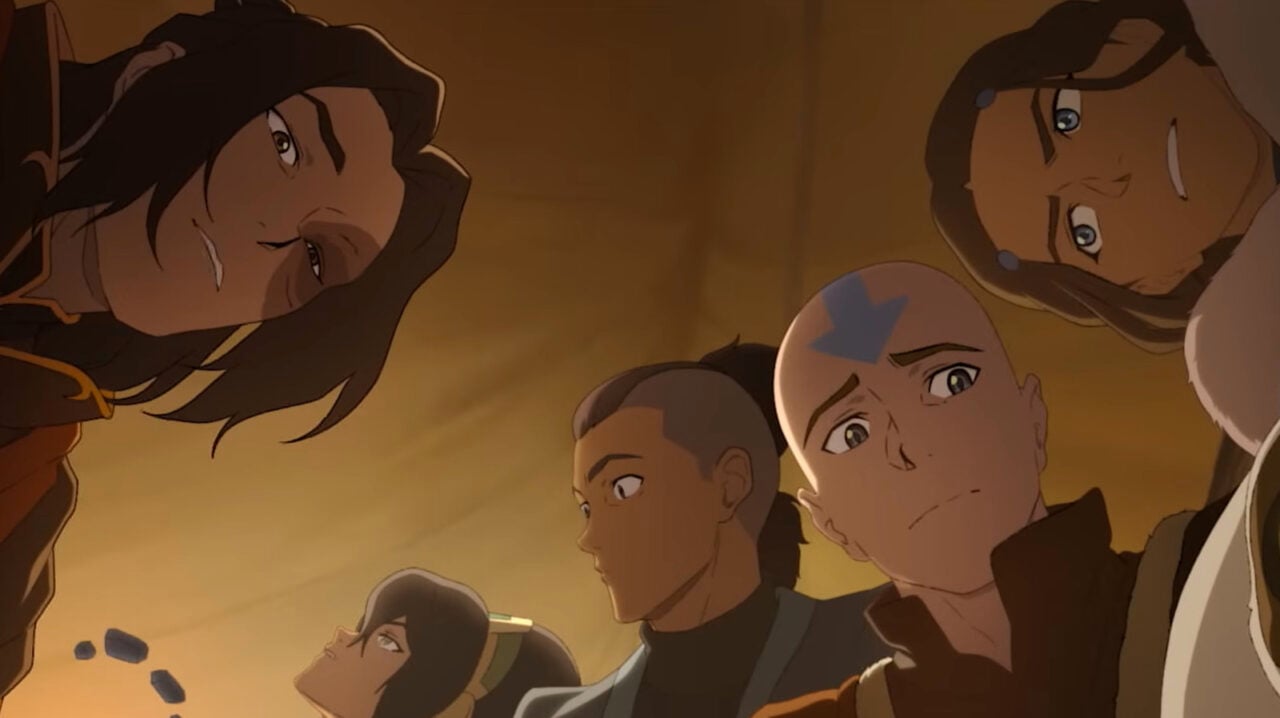
In spite of these challenges, *Avatar Aang* stands out with its breathtaking visual artistry and the skill behind its animation. The story takes place several years after the original *Last Airbender* series, presenting matured versions of cherished characters like Aang, who continues to deal with the aftermath of his history as the last remaining Air Nomad. A significant new character, Tagah, voiced by Dave Bautista, brings hope for the restoration of Airbending and its heritage.
While the film’s timeline positioning between the original series and *The Legend of Korra* might lessen narrative tension, it excels as a character exploration. Aang’s emotional conflicts resonate deeply, although his companions — Katara, Sokka, Toph, and Zuko — play secondary roles in this tale centered on Aang’s personal development. With a concise runtime of just 99 minutes, the film does not provide sufficient time for each character’s arc, yet the moments they share are poignant.
From a technical standpoint, the animation quality is remarkable. The team at Avatar Studios has dedicated effort to every frame, featuring martial arts choreography and elemental effects that captivate the audience. Each combat sequence displays stunning visual effects where earth, wind, water, and fire come alive through the characters’ bending skills.
*Avatar Aang: The Last Airbender* contests the belief that 2D animation is outdated compared to modern 3D styles. Similar to acclaimed anime films that receive limited theatrical releases in the U.S., this film’s artistry merits being experienced on the big screen. Unfortunately, owing to corporate choices and subsequent leaks, this opportunity has mostly been squandered.
Though relegated to digital platforms and smaller displays, the film warrants recognition and appreciation for its artistic ambitions. While viewing it in a cinema environment would enhance its effects, it remains a valuable experience for audiences to engage with this poignant story and sense the loss from its unfulfilled potential. The film is not merely a continuation of a beloved saga; it signifies a dedication to high-quality animation that deserves acknowledgement and celebration.