**Hasbro’s Transforming Video Game Approach: An In-Depth Examination**
In recent years, Hasbro has significantly established its presence in the video game domain, continually stating its desire to create a strong digital games collection. In 2022, the storyline surrounding Hasbro’s gaming initiatives began to take form with the revelation of six new internal game studios, which encompassed Atomic Arcade, Skeleton Key, Archtype Entertainment, and Tuque Games (now renamed Invoke Studios). These studios were assigned the task of creating a variety of games grounded in well-known franchises, such as *GI Joe*, *Dungeons & Dragons* (D&D), and a fresh sci-fi RPG dubbed *Exodus*.
Nonetheless, 2023 became a testing period for Hasbro, despite notable achievements like *Baldur’s Gate 3* and *Monopoly Go!*. The organization opted to cancel five internal video game endeavors, leading to considerable layoffs. Eugene Evans, senior vice president of digital strategy, remarked that project cancellations are quite typical in the sector, implying that Hasbro’s action, while unfavorable, adhered to a regular trend within game development.
In 2024, Dan Ayoub, leader of digital product development at Hasbro, reaffirmed the company’s dedication to internal game creation, stating that Hasbro had poured over $1 billion into its game studios. The emphasis was on delivering high-quality, genuine games that could capitalize on its extensive portfolio of intellectual properties, positioning video games as vital to Hasbro’s future direction.
Despite these claims, the company recently disclosed a $56 million impairment charge in its second-quarter results, reflecting adjusted valuations of its digital games portfolio. This charge stemmed from the cancellation of several initiatives planned for 2028 and later, signaling a shift in approach as Hasbro re-evaluates its investments in the gaming arena.
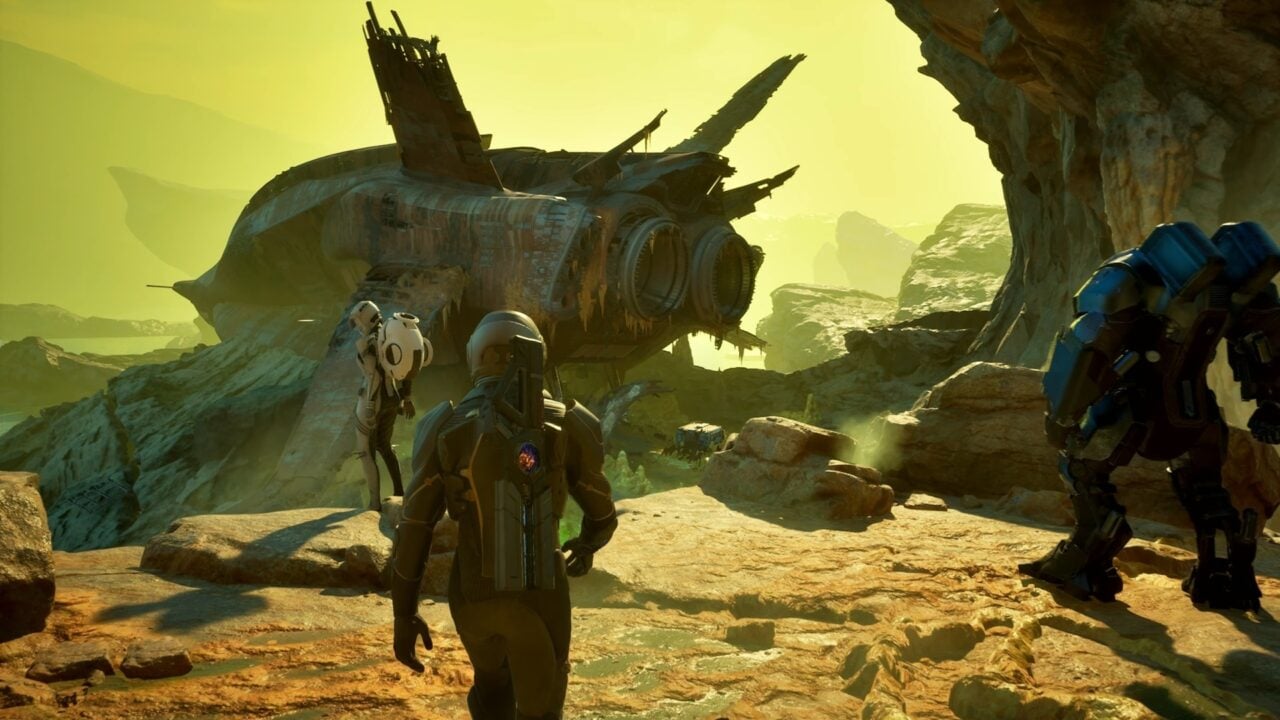
While the company has confirmed that significant projects like *Exodus* and *Warlock* are still under development, there are signs that other endeavors may have been abandoned or deferred. Specifically, the studio responsible for the *GI Joe* game, Atomic Arcade, encountered layoffs, and uncertainty lingers over its future. Additionally, numerous prior partnerships and projects seem to have been limited, including a collaboration with Giant Skull for a D&D action-adventure game, which was dissolved soon after its announcement.
Recent earnings calls showcased a strategic transition towards co-development and co-publishing with lower-cost partners, as Hasbro aims to concentrate on its established franchises and pursue more economical pathways for game creation. This suggests a decrease in investment allocated to new internal projects and a renewed dependence on external collaborations.
Hasbro’s CEO, Chris Cocks, highlighted that the company is now refining its investments in franchises and partners with more defined pathways to success, signaling a possible return to the licensing model that had previously brought substantial successes like *Monopoly Go!* and *Baldur’s Gate 3*.
As Hasbro adapts to these transformations, the future of its digital gaming strategy remains ambiguous but reflective of broader patterns within the gaming industry, where numerous companies are adjusting expectations in light of market conditions. The emphasis may now shift towards fewer, more significant releases instead of a broad array of titles, spurring speculation that Hasbro might be moving away from the ambitious goals it maintained just months ago.
In summary, Hasbro’s progression in the video game industry illustrates the intricacies and obstacles of game development, where strategic shifts are frequently required by market realities. As the company advances, its capacity to effectively balance internal goals with external partnerships will likely determine its success in the gaming field.