# Total War: Warhammer 40,000 – A New Era of Ranged Combat
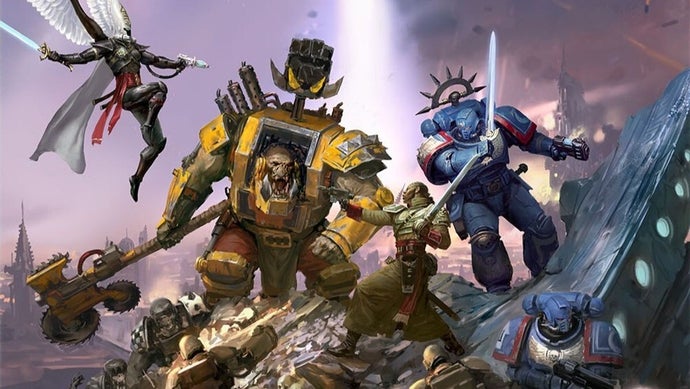
Creative Assembly’s upcoming title, *Total War: Warhammer 40,000*, promises to bring a significant transformation to the series, particularly in how ranged combat is approached. In the recent livestream showcasing a battle between the Imperium and the Orks, developers highlighted innovative mechanics such as drop pods and enhanced evasion stats, suggesting a shift from traditional Total War gameplay.
## Evolving Gameplay Dynamics
Unlike previous iterations, where units would often operate in a rigid manner, *Total War: Warhammer 40,000* introduces greater autonomy and flexibility for units. The traditional peace of archers and spearmen is being replaced with a more dynamic and context-sensitive combat structure. Units are now designed to be proactive, with the ability to make decisions about how and when to engage enemy forces based on the battlefield context.
## Army Composition and Individualization
One of the more striking features of the new game is its army composition system, reflecting the complexity found in the tabletop counterpart. Players can craft combined arms forces, including specialists like commissars. Each warrior’s arsenal can be diversified, allowing for real-time weapon switching based on the situation at hand. This flexibility is mirrored in the vehicle mechanics; they can equip multiple weapon types, such as bolters and rocket pods, to target the most appropriate foes.
A compelling addition is the “sweeping fire” feature, enabling units to spread damage across several attackers rather than concentrating fire, lending a layer of strategy to engagements. Furthermore, units can suppress attackers, inflicting statistical penalties on them.
## Contextual Combat Mechanics
While earlier *Total War* units had gear options, the implementation in *Warhammer 40,000* feels more intuitive. Troops are capable of quickly adapting their combat style; for instance, they may switch to ranged fire if melee conditions dictate the need for close-quarter weapons like shotguns. The game also emphasizes individual soldier behavior, allowing for targeted firing based on weapon specifications and battlefield dynamics.
Another notable feature is that individual soldiers can respond to threats from multiple directions—simulating defense mechanics that are imperative during overwhelming assaults. The game’s fire mechanics are designed around individual characters rather than a collective unit, enhancing realism in combat engagements.
## Movement and Tactical Positioning
Units can engage enemies while on the move, albeit at reduced accuracy levels depending on their type. Space Marines, for example, have agility for strafing, while Imperial Guard units favor fortified positions. The introduction of a compelling Sentry feature enables players to designate priority targets, preparing for enemy advance before they enter firing range.
Positioning, particularly utilizing cover—especially elevated ground—will play a critical role in battlefield success. Players can manipulate terrain, creating advantageous combat areas for their units by demolishing enemy cover and constructing their own tactical setups.
## Conclusion
While the full impact of these changes can only be assessed through gameplay, *Total War: Warhammer 40,000* appears to be influenced by more fluid RTS models such as *Dawn of War*. With its innovative approach to unit engagement and battlefield strategy, the title may redefine what fans expect from the Total War franchise. As developers refine these mechanics, anticipation grows for how other factions, including the Eldar, will be integrated into this newly envisioned combat arena. For detailed insights into faction dynamics, be sure to explore further on the *Total War: Warhammer 40,000* developments.