**The Destiny of *Last Sentinel*: From Hype to Neglect**
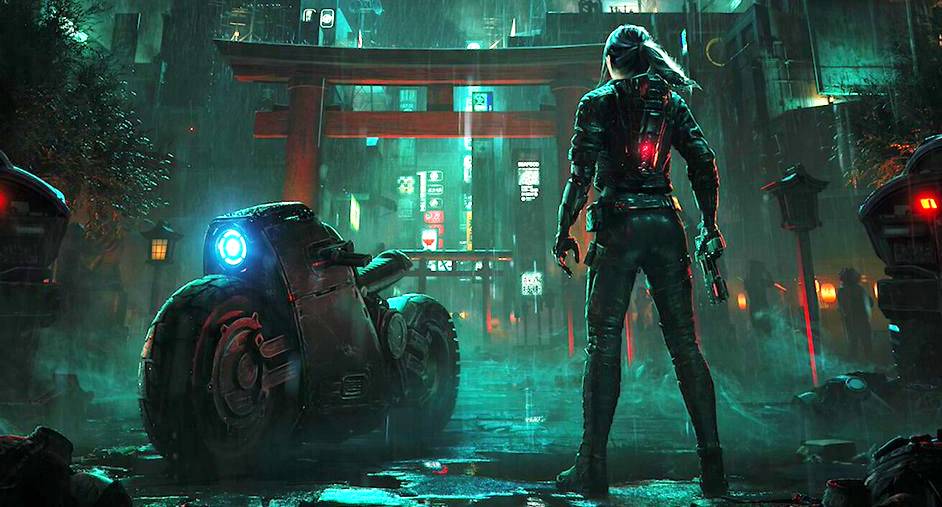
*Last Sentinel*, an eagerly awaited sci-fi open-world action game, was introduced to fans with a cinematic teaser at the 2023 Game Awards. Crafted by ex-Rockstar Games staff at Lightspeed LA, the game sought to rival titles like *Grand Theft Auto*. Yet, three years after its announcement and with no gameplay footage released, the project seems to have been largely forsaken.
Recent reports from Bloomberg indicate that the game’s sponsor, the Chinese conglomerate Tencent, opted to terminate the project after a recent development assessment. Initially, *Last Sentinel* was poised to be a significant player in the open-world genre, but it now teeters on the edge of being labeled vaporware.
The stakes were considerable for *Last Sentinel*, which had been in development for six years and had already expended hundreds of millions in investment. Following a disappointing playtest earlier this year, Lightspeed LA received a final opportunity to address the game’s deficiencies. However, the results of the most recent review prompted Tencent to decide against moving forward with the game, leading to substantial layoffs of 80 developers from the studio.
Multiple elements contributed to the downfall of *Last Sentinel*. Bloomberg’s report highlighted that the project faced issues such as a lack of clear direction, vague vision, and poor management—problems linked to project lead Steve Martin, who had an extensive background at Rockstar Games. Considering the team was relatively small, consisting of a few hundred developers, the aspirations for a *GTA*-like cyberpunk universe may have been overly ambitious. The project dealt with budget overruns and missed timelines, ultimately causing Tencent to shift focus away from AAA gaming ventures.
In spite of this setback, a representative for Lightspeed LA suggested the possibility of the studio continuing to develop some form of the project. This follows Tencent’s broader strategic changes, illustrated by the shutdown of its TiMi Montreal studio, which also encountered difficulties in releasing completed games.
In recent years, many gaming projects conceived during the pandemic period have stumbled or collapsed. Titles such as *MindsEye*, which once aimed to compete with *GTA*, gained notoriety for their lackluster reception and controversies over management practices. The industry presents a cautionary narrative regarding the intricacies and hurdles of game development, especially for ambitious projects lacking essential resources and guidance.
In summary, while *Last Sentinel* generated initial enthusiasm, its present course highlights the unpredictable nature of game development and the delicate balance between ambition and feasibility within the sector.