### The Significance of Asymmetric Footwear in Character Creation: Insights from The Sims and Paralives
Asymmetric shoes may initially appear as a minor aesthetic choice in videogame design. However, the introduction of features like non-uniform footwear reflects broader implications for character customization in gaming. The recent discussion surrounding asymmetric shoes arose during a presentation by senior character artist Jess Hyland at the Develop conference. Her observations about the competitor game, Paralives, shed light on the evolving expectations for character creation within simulation games like The Sims.
#### Insights from The Sims 4
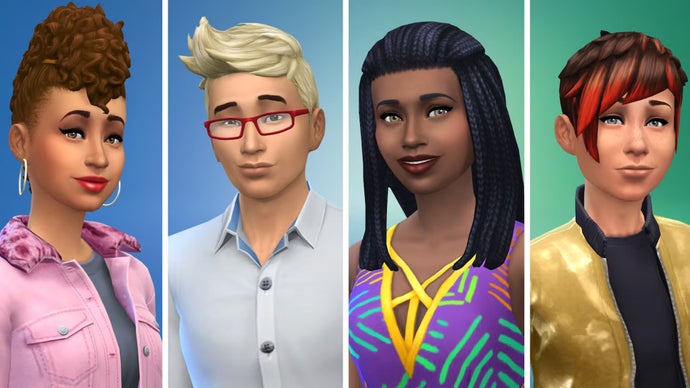
Since its launch in 2014, The Sims 4 has allowed players to create characters with largely symmetrical designs. Players can only introduce asymmetry through clothing, hairstyles, and accessories, as the fundamental character model is designed symmetrically. For instance, while it is possible to equip a sim with a hearing aid, creating a character with a prosthetic leg presents challenges. The artist would need to craft a unique asset for the prosthetic leg that would not allow interchangeable footwear, complicating the creation process.
Hyland expressed a strong desire for more flexibility in character design, noting, “I opened up the character creator and I was like ‘Oh, they can do asymmetric earrings, I wish I could do that, or asymmetric shoes.'” The advancement demonstrated by Paralives, which supports diverse footwear and accessories, suggests a direction The Sims could potentially pursue.
#### The Need for Change in Character Models
Historically, The Sims 4 implemented a gender binary that dictated character attributes, including clothing choices, based on whether the character was defined as male or female. This limitation underscored a broader issue in game design where character creation was confined to rigid frameworks. In 2015, the developers sought to decouple these gender distinctions, allowing for more inclusive representation. This required considerable reworking of the existing asset system, ultimately introducing solutions like the cummerbund mesh to unify character appearances across gender presentations.
Despite these improvements, Hyland acknowledges that significant work remains to dismantle the binary system entirely. She advocates for a singular base mesh that would simplify the creation of more diverse character identities, including those who exist beyond traditional gender norms.
#### The Competitive Landscape and Evolution of Simulations
With the emergence of Paralives, The Sims faces a unique challenge that could inspire its developers to expand the scope of customization. Paralives is recognized for its innovative approach, offering players features that The Sims has yet to implement, like customizable footwear and accessories on an asymmetric scale. This represents not just an aesthetic choice, but a significant enhancement to player agency and expression.
Hyland’s reflections underscore the potential impact of competition in shaping the future of simulation games. As players have begun to expect greater customization, comfortable inclusivity, and responsiveness to social dynamics—like relationship complexities—the landscape of character creation in games is poised for transformative changes.
#### Conclusion
The evolution of asymmetric footwear in games like Paralives highlights the importance of considering player choices in character design. As The Sims continues to expand its content, the challenge lies in integrating more flexible and inclusive approaches to customization. By addressing the historical assumptions about character models, developers can create a more dynamic platform that mirrors the diverse experiences of its players. This shift towards embracing asymmetry, whether in footwear or broader character expressions, could ultimately enhance the gaming experience and foster a deeper connection between players and their virtual lives.