**The Controversial Closure of ASMR YouTube Channels: An In-Depth Examination**
Earlier this week, a concerning situation emerged in the realm of ASMR (Autonomous Sensory Meridian Response) as a collection of well-known YouTubers reported the abrupt removal of their accounts. Notably, channels such as Slight Sounds, RoseASMR, and Its_Bunnii experienced deletion without any prior notice or the standard notification process typically associated with such measures. YouTube attributed the actions to breaches of their “sexual content” policies, a declaration that has raised questions and stirred doubt within the ASMR community.
Slight Sounds, who has developed a profession in ASMR over the past eight to nine years, conveyed the significant effects of this action, remarking, “This has been my livelihood… having it removed and taken from me without any warning clearly impacts me financially.” The inability to access their vast archives and the work that carries immense personal significance for these creators has left many struggling with the consequences of this unexpected decision.
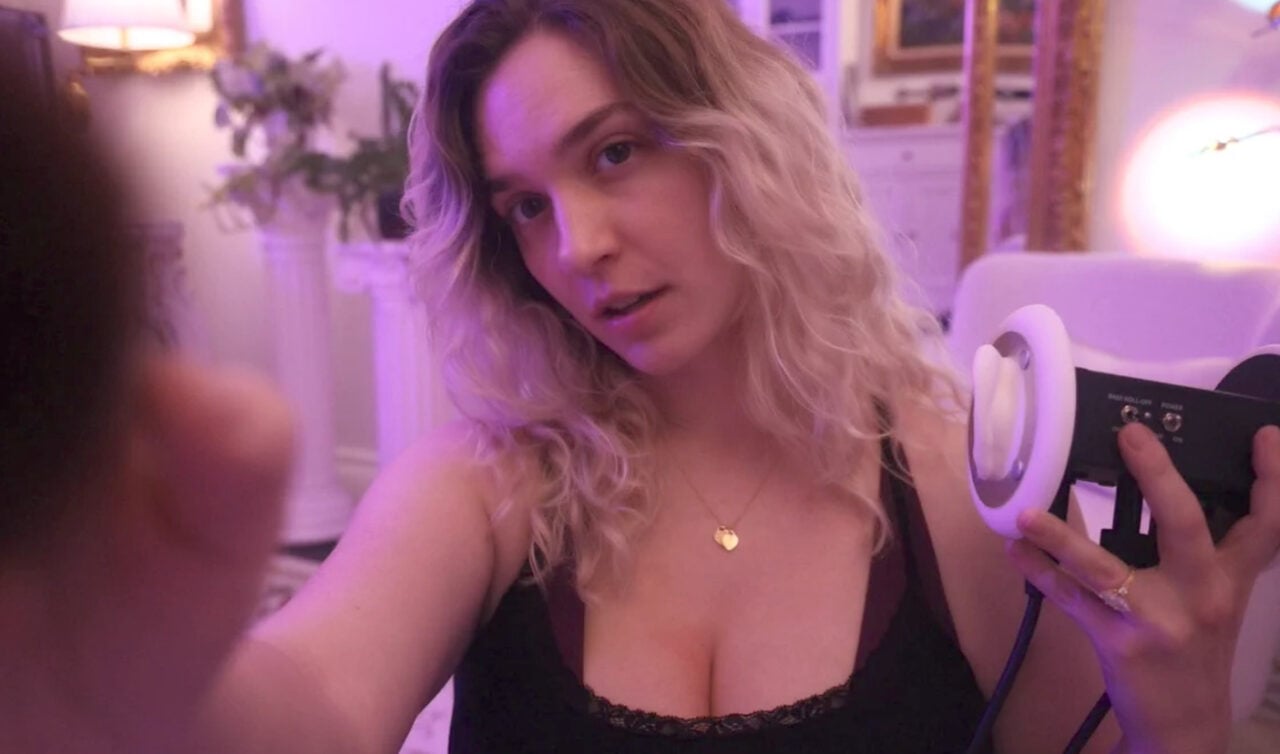
ASMR is defined by a sensory experience in which individuals experience a pleasurable tingling sensation as a reaction to particular auditory stimuli, such as soft speaking, tapping, or scratching sounds. Although scientific research on the phenomenon is limited, it has attracted a substantial audience on platforms like YouTube, where content creators design soundscapes aimed at promoting relaxation and comfort.
The ASMR community flourishes with a wide array of content, ranging from role-play scenarios—featuring imaginative settings such as spa treatments or guidance through anxiety—to basic sound triggers like tapping and brushing. While some creators may at times venture into suggestive themes, the majority adhere to guidelines intended to maintain their content as non-sexual.
The recent account removals appear to have disproportionately impacted female creators, with numerous individuals expressing concerns regarding the subjective evaluation of content by YouTube’s moderation team. As emphasized by Its_Bunnii, popular videos that were viewed as harmless, such as “Eyes Closed ASMR” and “Gentle Haircut and Styling,” were deleted despite amassing millions of views and lacking overtly sexual content. This has given rise to speculations about selective enforcement and possible biases within YouTube’s content moderation systems.
Critics have highlighted a perception of a double standard, as mainstream media frequently showcases similar themes with minimal consequences. The current trend towards stricter regulations against perceived explicit content has illuminated the issues of censorship and the delicate balance between community guidelines and artistic freedom.
Numerous creators have turned to social media to voice their disappointment. With community support, they have openly questioned the criteria utilized to define “sexual content” on YouTube and underscored the inconsistencies in moderation practices. Their frustration is amplified by the awareness that alternative platforms, while sometimes hosting adult content, remain comparatively lenient relative to the strict rules imposed by YouTube.
Furthermore, the sudden banning of these ASMR accounts takes place within a larger trend where online spaces are under increasing scrutiny for content considered inappropriate. This has raised concerns about the implications for creators across multiple genres, intensifying fears that platforms may inadvertently suppress creativity and expression in their pursuit of adherence to broad policies.
As the impacted creators await more clarity from YouTube and explore options for recourse, this episode serves as a powerful reminder of the hurdles faced by content creators as they navigate the complex terrain of online platforms, where community standards and personal expression constantly intersect. The ASMR community remains optimistic for a resolution that not only reinstates the removed channels but also establishes a clearer framework for acceptable content in the future.