**The Persistent Memory Shortage Crisis: Effects on Technology Pricing up to 2027**
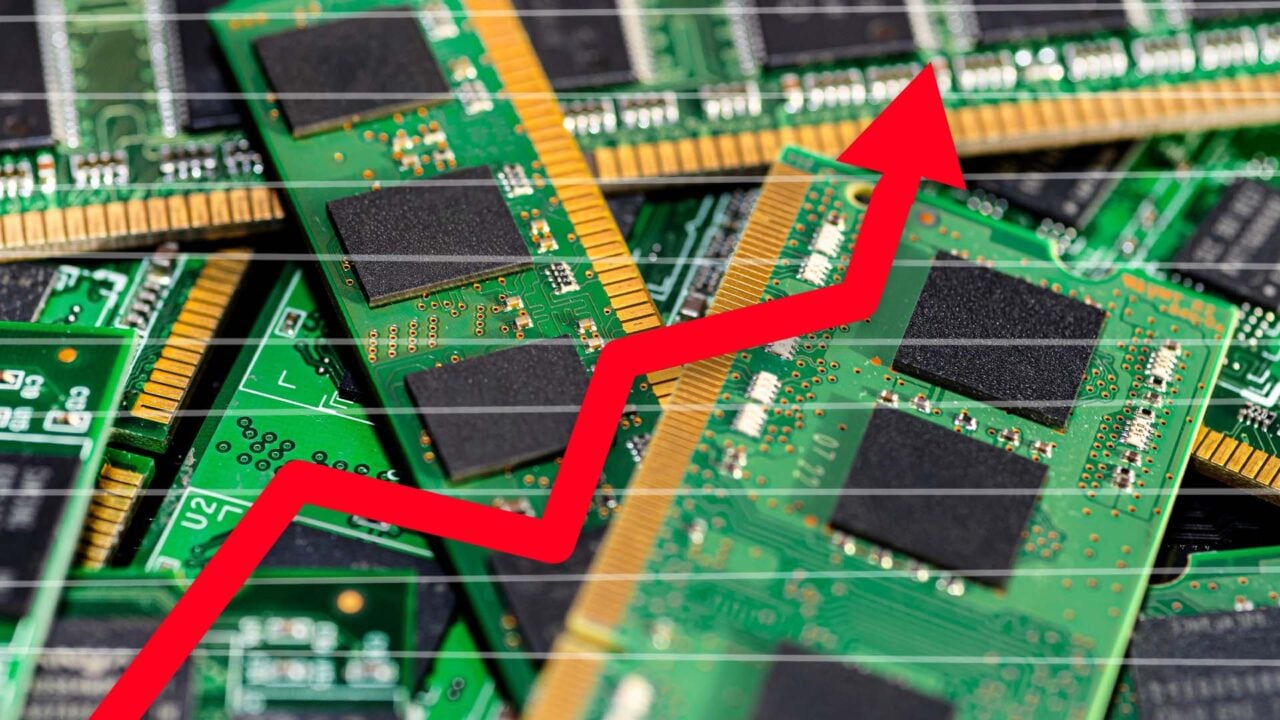
In today’s technology arena, almost every gadget, ranging from gaming consoles to personal computers, has experienced consistent price hikes over the last few years, primarily driven by an acute memory shortage. This deficit is mainly fueled by the immense demand from AI hyperscalers, entities that necessitate significant computational power and data storage for their operations. Unfortunately, forecasts for the upcoming years suggest that these shortages are set to continue, and could potentially worsen.
Recently, Samsung, a premier manufacturer of memory chips, shed light on this ongoing issue during its Q2 earnings call. The company revealed that AI corporations are actively sharing medium- to long-term predictions of their chip requirements in a frantic effort to ensure sufficient future supplies. As one of the largest global memory chip producers, accountable for about one-third of the total output, Samsung’s insights into this crisis carry considerable importance.
Looking towards 2027, Samsung expects a continued increase in demand for memory, intensifying current supply limitations and resulting in additional price hikes across a variety of consumer electronics, including tablets, PCs, consoles, and smartphones. Furthermore, projections indicate that this high-demand, low-supply scenario will remain in effect at least until 2028, hinting at an extended period of elevated technology prices.
The deficit of dynamic random-access memory (DRAM), informally dubbed “RAMageddon,” has significantly contributed to the price increases witnessed in the tech sector over the last 16 months. Major gaming consoles, like Xbox and PlayStation, are now more costly than ever, while firms such as Apple are revising their pricing strategies for entry-level devices, even launching pay-later plans to manage the heightened costs. This pattern is also evident in retro gaming devices and various mini-consoles, where manufacturers are struggling to maintain competitive pricing against the rising demands of data centers and sophisticated AI systems.
Curiously, while sales of consumer electronics may be declining, Samsung’s approach seems to be generating substantial profits. The company has concentrated on securing long-term contracts with large clients—organizations that require reliable and substantial supplies of memory chips—thereby prioritizing these lucrative deals over retail consumers. This shift has created a tough climate for smaller companies, like Valve, which might lack the negotiating leverage to cope with the surging prices instituted by memory chip manufacturers. Without access to crucial RAM resources, these businesses may find themselves at a disadvantage in the competitive tech landscape.
In conclusion, as we proceed through 2023 and look ahead to 2027, the memory shortage crisis poses significant challenges for technology pricing and availability. With escalating demand from AI hyperscalers and a constricted supply chain, consumers can expect ongoing price increases on a broad range of technological products. As the situation continues to evolve, the tech industry’s environment may remain unstable, marked by fluctuating prices and persistent accessibility issues.