**EA’s Acquisition by Saudi Arabia: A New Era for Gaming?**
In a significant development for the gaming industry, EA has been acquired in a $55 billion leveraged buyout by a consortium led by Saudi Arabia, Silver Lake, and Jared Kushner’s Affinity Partners. Following the endorsement from the European Commission, the deal is now finalized, leading EA to become a privately-owned entity. However, this shift has raised numerous questions about the future direction of the company and its impact on the broader video game landscape.
**Concerns Over Creative Direction**
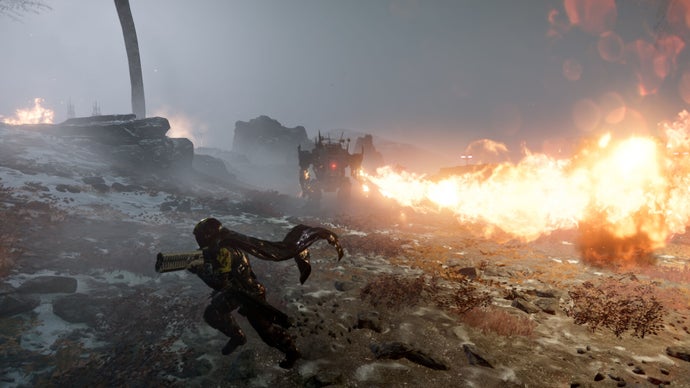
Shams Jorjani, CEO of Arrowhead, the studio behind *Helldivers 2*, expressed concern about EA potentially transforming into “a sequel-and-mega-franchise machine.” Jorjani stressed the importance of business diversity accompanying creative diversity in the industry. EA has historically managed a diverse portfolio encompassing various franchises like *Battlefield*, *The Sims*, and *Mass Effect*, along with indie hits such as *Unravel*. Jorjani fears the acquisition will result in a focus on established franchises at the expense of innovative and varied new titles.
This sentiment reflects broader anxiety within the gaming community about the implications of mergers and acquisitions, particularly when it leads to consolidation and a narrower focus on profitability over creativity. Jorjani notes the potential waste of EA’s rich catalogue if the company opts solely for the safest, most lucrative bets.
**Financial Constraints and Organizational Changes**
The nature of the acquisition also introduces significant financial constraints. EA has taken on approximately $18 billion in debt, demanding careful management of its resources. Despite an annual EBITDA of around $1.5 billion, which can service interest payments, reports indicate that the company plans to cut $700 million in annual costs. This means not only streamlining operations but potentially executing mass layoffs, signaling a stark shift in workforce dynamics.
As part of its restructuring, EA has already begun reducing its workforce, prompting concerns about the long-term viability of franchises that do not guarantee immediate financial returns. The layoffs are seen as a worrying trend, particularly for studios with franchises like *Dragon Age*, which may reduce their capacity to explore new narratives or gameplay innovations.
**Industry Implications of the Buyout**
This acquisition raises critical questions about the future of game development under heavy financial constraints. The focus on major franchises—such as *EA FC*, *Madden*, and *Star Wars*—could stifle new creative projects and revivals of past series that fans have been longing for. While there is hope for a continued diversity in gaming experiences, many industry watchers feel a sense of skepticism about EA’s ability to balance the need for profitability while fostering new creative ideas.
The fears of unions within the industry highlight the growing apprehension regarding the impact of investor demands on studio operations. As EA navigates its new ownership structure, the central concern remains: will the company’s creative output reflect the diverse industry of today, or will it succumb to the pressures of financial gains, favoring proven franchises and safe investments?
**Conclusion**
The acquisition of EA signifies a pivotal moment for the company and the gaming industry at large. With significant financial debt and the challenges of maintaining a diverse portfolio, the coming months will be crucial in determining whether EA can adapt and innovate under new ownership. As players and industry professionals watch closely, the hope remains that EA can uphold its legacy as a pioneer in gaming creativity while managing the practicalities of a new financial landscape.