As the PlayStation 2 approaches the conclusion of its second year, Sony has pledged to invest in fresh and original ideas, positioning the PlayStation as a hub for creative, distinct, and daring games, setting it apart from Nintendo’s offerings. The continuous backing for varied gameplay experiences guarantees that gamers will keep enjoying a range of new and inventive titles. A standout illustration of Sony’s commitment to fostering such original concepts is Sly Cooper and the Thievius Racoonus, crafted by Sucker Punch Productions, recognized for Rocket: Robot on Wheels. This game is set to rank alongside notable 3D platformers like Banjo-Kazooie and Jak and Daxter for years ahead.
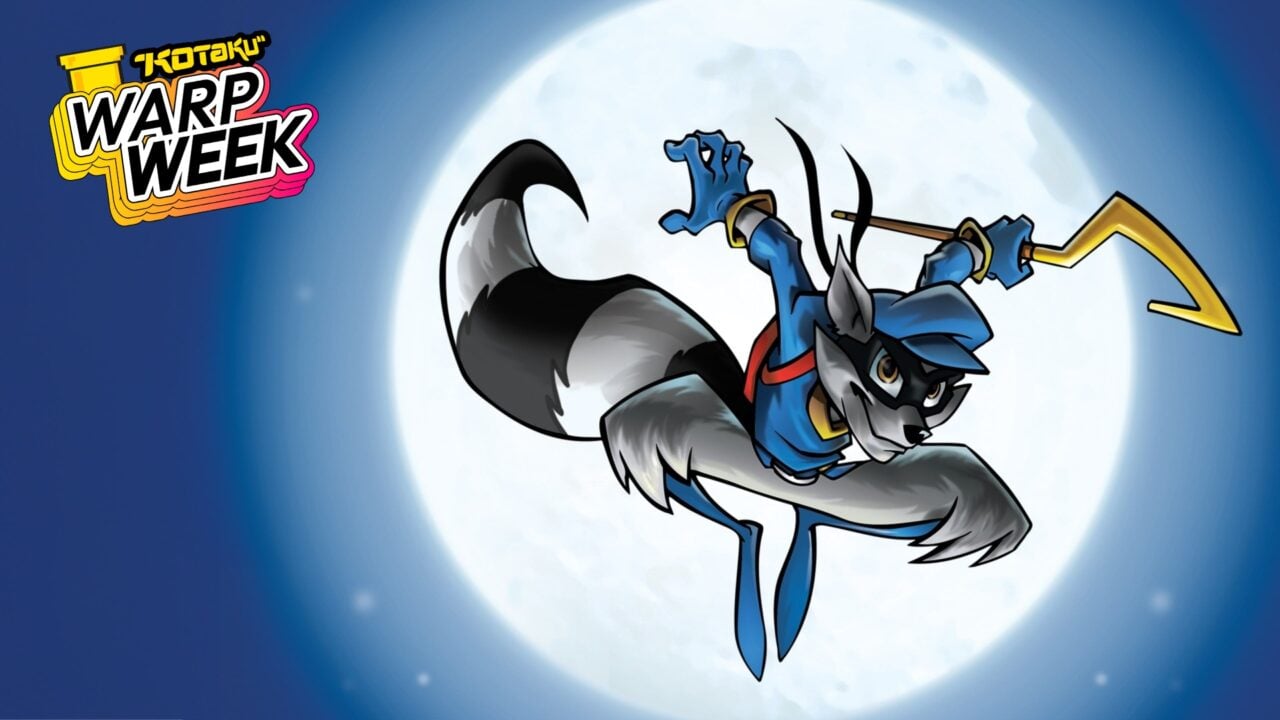
The storyline revolves around Sly Cooper, a delightful raccoon thief echoing Disney’s Robin Hood; nevertheless, Sly’s escapades are more centered on well-planned heists rather than humorous antics. He is depicted as sophisticated, adept, and captivating, frequently flirting with his police rival and romantic interest. Sly’s unique persona distinguishes him from other platforming heroes, establishing him as a potential all-ages icon for Sony. The game’s playful, anthropomorphic characters and classic noir style pay tribute to legendary 1960s animations like The Pink Panther and Secret Squirrel, further enhanced by a catchy jazz-inspired soundtrack that contributes to its lively ambiance.
While the visual and audio elements honor classic animation, Sly Cooper also brings innovation to gameplay by effortlessly merging conventional run-and-jump platforming with user-friendly stealth features. Players exploit Sly’s cane for direct confrontations but can also utilize stealth approaches, such as sneaking out of sight, concealing themselves along walls, and taking advantage of higher ground for strategic benefits. Although not as intricate as Metal Gear, Sly Cooper offers an accessible introduction to stealth gameplay. The design guarantees that interactions with the environment can be easily navigated using the DualShock 2 controller’s circle button, a vital component for players considering Sly’s susceptibility to enemy strikes.
Despite some frustrations (including tough racing sequences), it stands out as evidence of PlayStation’s ability to produce multiple innovative mascot platformers during the early phase of the PS2. In 2002, it is clear that while Sony may have been shortsighted in relinquishing legacy titles like Crash and Spyro, the future for 3D platformers looks bright, with high hopes for the new franchise. Sly Cooper and the Thievius Racoonus has established a high standard with its inaugural entry, showcasing a dedication to quality that fans hope will be maintained in its subsequent releases.
This article is a segment of the 2002 edition of Warp Week, a Kotaku series that revisits gaming history through a blend of retro reviews, retrospectives, and firsthand accounts.