**GameStop’s Initial Public Offering and the Transformation of Video Game Retail**
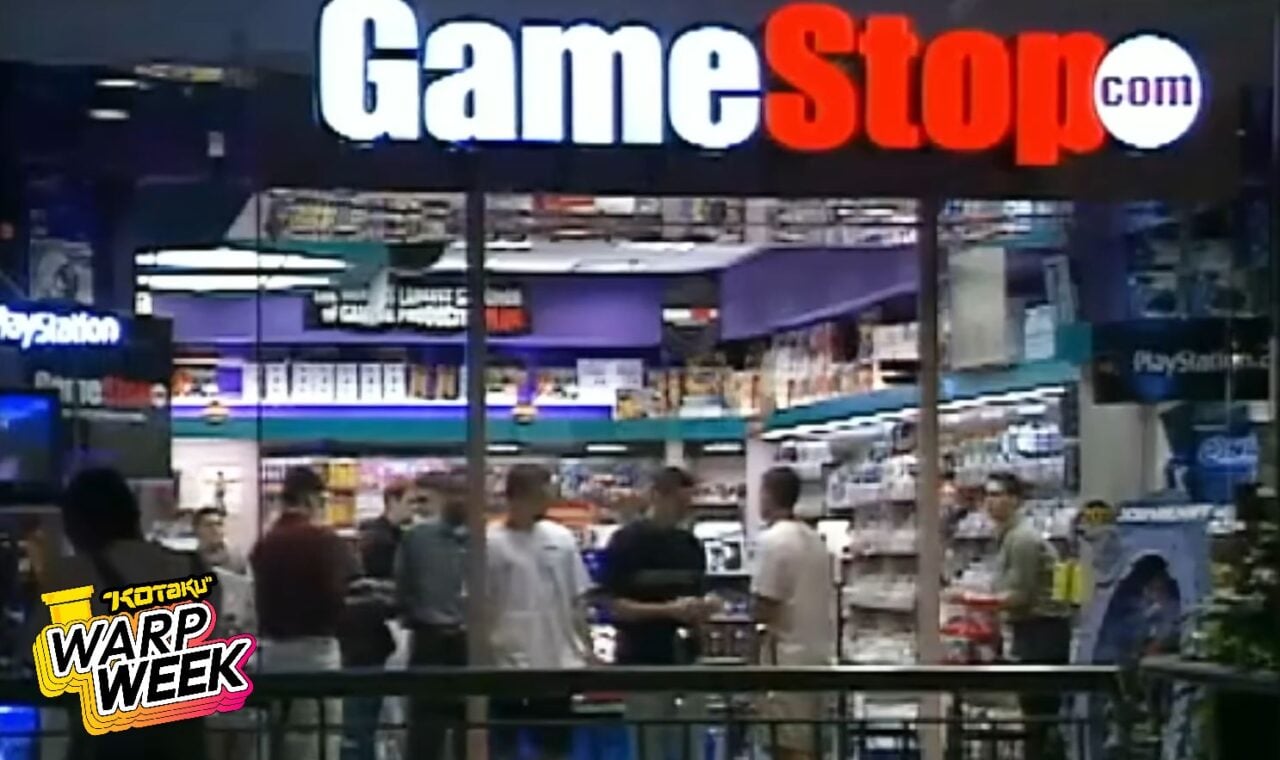
On February 13, 2002, GameStop launched on the New York Stock Exchange, securing an impressive $325 million and finishing at around $20.10 per share, surpassing analyst predictions by roughly 12%. This achievement took place against the backdrop of a thriving video game marketplace, which recorded sales reaching $9.4 billion in 2001, reflecting nearly a 30% increase from prior years.
GameStop’s ascent corresponds with strategic actions by its parent company, Barnes & Noble. In recent years, the book retailer has redirected its focus towards the expanding video game sector, solidifying its stance through critical acquisitions. Beginning with the acquisition of Babbage’s Etc in 1999 for $215 million, followed by FuncoLand in 2000 for $160 million, Barnes & Noble also integrated the prominent magazine Game Informer. Now that GameStop is publicly listed with a market valuation of $972 million, Barnes & Noble continues to hold a majority stake, further embedding itself in the video game retail arena.
Analysts predict considerable growth prospects for GameStop, particularly as the company takes advantage of the ongoing “PC entertainment software wave” and reaps notable financial rewards from its public offering. Nonetheless, the competitive environment presents obstacles, with competitors like Toys “R” Us, which uses Amazon for online transactions, and rental chains such as Blockbuster, providing video game rentals at lower costs. The industry predicts that 2002 may emerge as a pivotal year fueled by new console launches, appealing to committed gamers in search of the latest releases.
Activision’s CEO Bobby Kotick emphasized the software-centric future of gaming, identifying significant partnerships with media franchises like Spider-Man and Star Wars, which would enhance sales. He envisions a transformative gaming landscape by 2005 with the introduction of PlayStation 3 and Xbox 2.0, featuring broadband capabilities that would revolutionize gameplay, allowing for downloads and competitive gaming.
As the gaming landscape continues to change, with innovations anticipated in console development and online features, GameStop is set to be a central player in the sector. The retailer’s midnight launches for eagerly awaited titles like Grand Theft Auto: Vice City highlight its dedication to providing the latest gaming experiences directly to consumers.
In hindsight, GameStop’s public offering signifies not just a crucial financial achievement but also a vital moment in the shifting dynamics of video game retail, establishing it as a prominent entity in the progression of gaming culture and commerce.