Supermassive Games, the development studio known for its acclaimed titles such as *Until Dawn* and *The Dark Pictures Anthology*, has announced the initiation of redundancy consultations that could impact up to 75 staff members. This announcement follows a troubling trend in the games industry, which has seen thousands of layoffs over the past few years, highlighting the challenges faced by many companies in this sector.
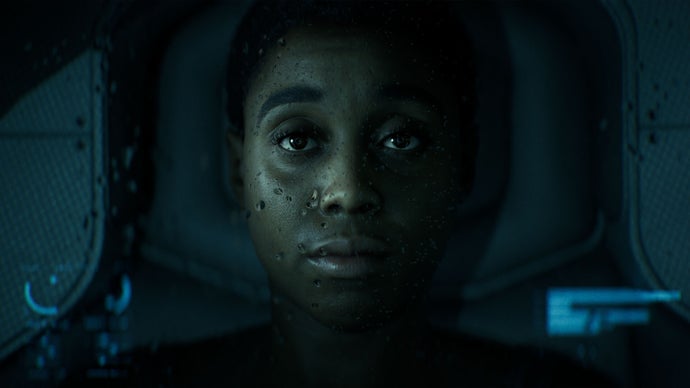
The decision comes just three months after the release of Supermassive’s latest horror game, *Directive 8020*. The wording of the recent announcement echoes sentiments from previous rounds of layoffs, including those from July of last year, and a larger wave of job losses in early 2024 that saw approximately 90 employees let go. The repeated nature of these redundancies raises concerns about the studio’s operational stability and future direction.
In their statement, Supermassive termed the redundancies a “necessary step to help ensure the sustainability of the company,” indicating a focus on long-term viability amid current economic pressures. The management acknowledges the struggles that employees will face during this period, stating that their priority will be to offer support to all those affected.
Supermassive is not alone in these difficult times. Other companies in the industry have also undertaken significant layoffs. For instance, ZA/UM laid off 30 developers shortly after the launch of their game *Zero Parades for Dead Spies*, and Microsoft has recently dismissed thousands of staff as part of a broader restructuring strategy across its gaming divisions. Recent weeks have also seen other studios, such as That’s No Moon and Quantic Dream, announce cuts that further illustrate the ongoing volatility within the industry.
The current wave of layoffs has sparked discussions about the future of employment in the gaming sector. As companies reportedly attempt to do more with fewer resources, the impact on talent retention and studio culture remains to be seen.
As Supermassive Games navigates this challenging chapter, it remains critical for the company and others in the industry to consider the well-being of their teams as they strive for sustainability in an increasingly competitive landscape.