**The State of Virtual Reality in 2026: A Mixed Bag of Challenges and Opportunities**
Virtual reality (VR) has long been heralded as the next frontier in gaming and interactive experiences, but as we step into 2026, the landscape presents a more complex picture. Rick Lane, a veteran of the VR discussion, provides insights into the current state of the industry, highlighting both the struggles and resilience within this niche market.
**Declining Hardware Shipments**
To begin with, the health of the VR hardware market appears worrisome, with reports indicating a 17% drop in VR headset shipments during the first quarter of 2026. The slow pace of new hardware launches adds to this concern; from 2019 to 2023, the market welcomed twelve new VR headsets, yet since 2024, only two notable devices—the Apple Vision Pro and Samsung Galaxy XR—have emerged. This lack of innovation in the mid-range gaming headset segment suggests a drift towards either high-end devices targeted at enthusiasts or mixed-reality devices focusing on augmented reality (AR) functionalities.
**Meta’s Dominance Among Limited Competition**
Despite the challenges faced in hardware sales, Meta has maintained a stronghold on the VR market. The Quest 3, Quest 2, and the upcoming Quest 3S comprise over two-thirds of the VR user base on major platforms like Steam. While Meta’s ecosystem seems to show relative health—with reports indicating a steady rise in active users on the Quest platform—the overall VR gaming market remains small, with just 1% of Steam’s users participating in VR games.
**Economic Challenges and Studio Closures**
A significant factor clouding the horizon for VR developers is the economic landscape. As Meta pursues its controversial Metaverse vision, Reality Labs has accumulated staggering losses—over $80 billion—while shuttering several VR studios and canceling promising projects, including high-profile sequels. The ripple effects of these closures have been felt across the industry, with other developers like Survios and Mighty Eyes laying off staff or canceling projects due to dwindling financial viability.
**The Push for New Experiences and Titles**
In terms of content offerings, the few standout titles entering the market in 2026—such as “Into the Radius 2” and “Bootstrap Island”—struggle to capture significant attention against mainstream alternatives. The absence of blockbuster VR-exclusive titles capable of drawing new users into the market further underscores the issues facing developers. The growing trend of mainstream games incorporating VR functionality rather than exclusive titles narrows the chances for enhanced visibility and audience engagement.
**Looking Ahead: The Steam Frame and Its Implications**
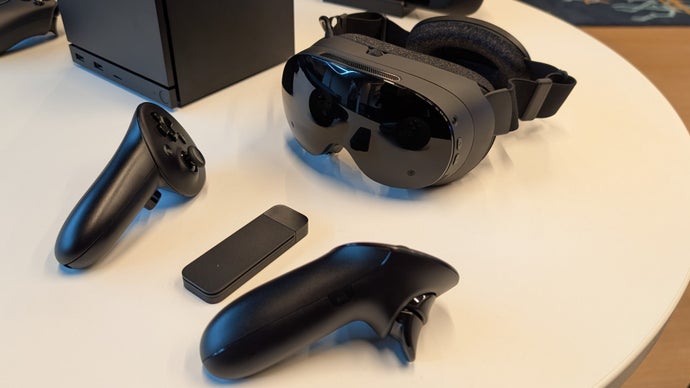
Anticipation grows around Valve’s Steam Frame, a new headset rumored to be launched soon. While an influx of new hardware could potentially revitalize interest in VR, its success will hinge on affordability and compelling game offerings. Concerns exist regarding whether the Steam Frame will be priced competitively enough against popular devices from Meta, as many speculate it could reach upwards of $1,500. Moreover, the broader gaming community remains skeptical about the viability of gaming on the Steam Frame without standout exclusive titles that could justify its cost.
**Conclusion: A Future of Compromise and Integration**
In conclusion, while VR experiences are not on the precipice of extinction, they are at a crossroads. The need for compelling gaming content that rivals mainstream offerings is critical for a resurgence. The industry’s pivot toward smaller, multiplayer titles aimed at a younger audience speaks to an attempt at revitalizing interest, yet this strategy faces challenges.
Rick Lane’s reflection encapsulates a future where VR may find its niche as an alternative gaming platform rather than a dominant force in the gaming world. As developers and companies navigate the tumultuous landscape, the integration of VR into broader gaming experiences may define its role moving forward, leaning more towards a supplementary option for gamers rather than a prevailing trend.