# The Ascent and Decline of GameTrailers: An Exploration of Video Game Media
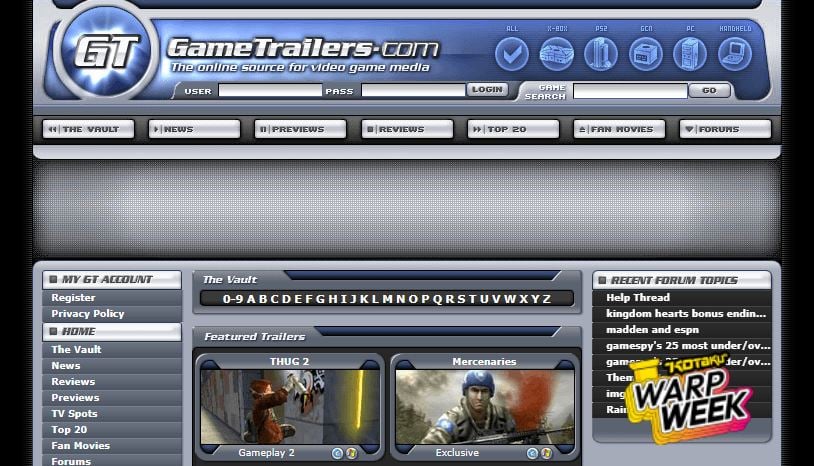
The dawn of the 2000s signified a crucial era in the development of video game media, a shift underscored by the rise of sites like GameTrailers.com. Launched in 2002, the platform swiftly became a key destination for video game trailers and insights, setting itself apart from rivals like IGN and GameSpot. Led by Brandon Jones and Geoff Grotz, GameTrailers aimed to deliver high-caliber video content, transcending simple promotional pieces to offer in-depth reviews, previews, and retrospectives.
## A Distinct Perspective
The beginnings of GameTrailers are rooted in a combination of ingenuity and a love for gaming. As Jones reminisces, the formation of the site stemmed from a collaborative ethos – he and his associates noticed a void in the market. Unlike the movie sector, where trailers were easily accessible for free, gamers often found themselves scouring demo discs or subscription-based sites for video game footage. This necessity drove their choice to start uploading trailers without proper licensing, frequently “unapologetically taking” from other platforms.
The daring strategy proved successful. As they accumulated more content, the site’s traffic surged, inspiring Jones’s supervisor at the time, Jon Slusser, to envision a more extensive venture. This ambition culminated in GameTrailers’ acquisition by Viacom in 2005, which enabled the platform to grow and acquire additional resources.
## Expansion with Viacom
With the backing of Viacom, GameTrailers evolved from a modest website into a well-known media entity in the gaming arena. The acquisition empowered the team to improve their production quality and create original content, featuring a skilled editorial team that produced insightful reviews and captivating features. The site turned into a cultural sensation, with children spending countless hours engrossed in video game media.
Importantly, GameTrailers was not merely a venue for major titles; it also showcased indie games and lesser-known projects, offering viewers a rich variety of gaming experiences.
## The YouTube Challenge
In spite of its early achievements, GameTrailers encountered intense competition as the digital environment transformed. The emergence of YouTube considerably altered viewing habits. Gamers started to prefer platforms where user-generated content thrived, and the fast-paced nature of social media began to dictate how trailers and promotional videos were accessed.
Viacom’s hesitance to fully embrace YouTube created notable challenges for GameTrailers. Despite the GameTrailers team’s advocacy for establishing a foothold on the platform, Viacom regarded YouTube with skepticism, ultimately resulting in the site’s stagnation as viewership began to decline.
## Shutdown and Legacy
Even with efforts to innovate, such as proposals for a subscription model, the signs of decline became evident. GameTrailers was closed in 2014, and by 2016, its brand had been integrated into IGN. The once-flourishing site that influenced video game media now existed merely as a title on a YouTube channel, a stark illustration of the swift changes in digital media.
In the aftermath, many of GameTrailers’ former employees, including Jones and Grotz, shifted focus to create Easy Allies, a new initiative dedicated to upholding the quality and credibility of gaming content. Nonetheless, the landscape had irrevocably transformed, prioritizing influencers and fast content cycles on platforms that valued virality over substance.
## Conclusion
The transformation of GameTrailers highlights a significant change in how gamers engage with media. While the site was instrumental during the early days of digital game promotion, its decline paralleled the ascent of social media and the evolving preferences of both audiences and media organizations. The narrative of GameTrailers serves as a poignant reminder of the vulnerability of digital platforms in the constantly changing landscape of entertainment. As gaming continues to gain momentum, the legacy of GameTrailers stands as evidence of a time when video game media was beginning to explore its potential beyond conventional marketing.