The Cutting Room Floor (TCRF) is a well-known wiki focused on saving unused material and unreleased versions from video games. Founded in 2002, TCRF has built an extensive collection of gaming knowledge, supported by a committed group of volunteers. However, the website is currently down due to a DDoS attack, which TCRF believes is linked to actions from a specific AI user involving Claude Code.
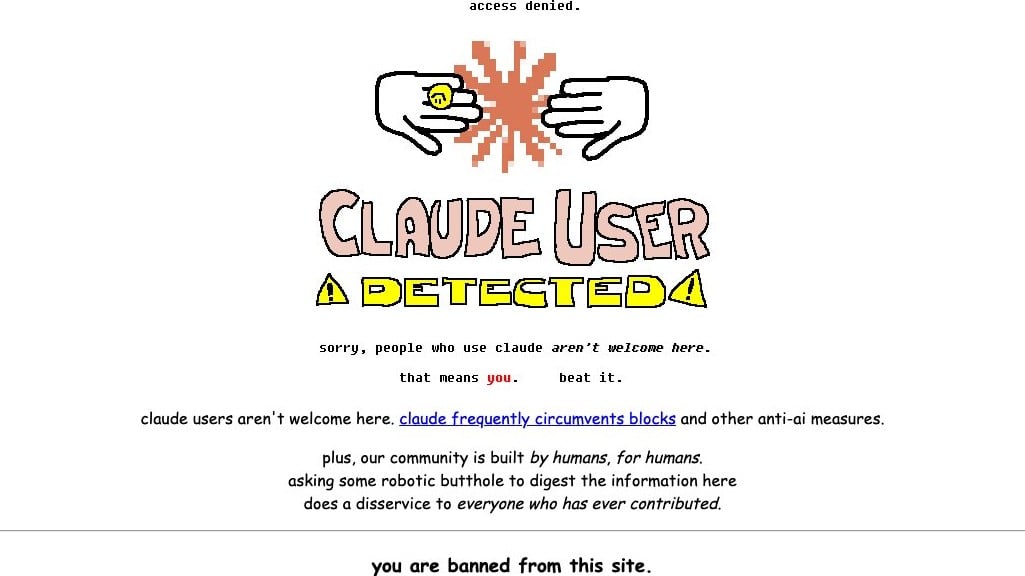
In a significant move against AI systems that gather content, TCRF has introduced unique anti-AI visuals that display when the site is accessed using AI tools such as ChatGPT. This artwork, created in MS Paint, prominently features messages like “AI loser detected!” and calls out users trying to interact with the platform via AI. TCRF has taken a strong stance against what they refer to as “video-coded AI slop,” which influences their engagement with automated technologies.
The recent DDoS event seems to have been sparked by a user who reportedly was banned from TCRF for using AI tools. This user subsequently created a false narrative surrounding their experience, alleging that the AI had caused severe damage to their system and lodging multiple abuse complaints against the site. TCRF’s homepage notes that this action appeared to coincide with the user’s ban, indicating that the DDoS was an attempted act of retaliation.
TCRF’s team conveyed their annoyance, particularly stressing that the person involved has a history of troublesome actions related to AI. In social media discussions, TCRF emphasized the individual’s dubious perspectives on consent and their public acknowledgments of exploiting online platforms and networks for personal advantage.
At present, TCRF has not released a specific date for the site’s return but assures users that the server is still operational and functioning well. Access to the site is limited only until the DDoS incidents subside. The situation has ignited conversations within the gaming community, prompting greater scrutiny of the actions and ethics of individuals who support or utilize AI tools in similar scenarios.
This incident has prompted legal considerations surrounding defamation and the responsibilities of people using online services, further complicating the realms of internet ethics and gaming community interactions. Reactions from both TCRF management and affected individuals continue to evolve, adding to ongoing discussions about the intersection of AI technology and community standards in gaming.