## AI-Generated Misattribution: The Case of Kumi Tanioka
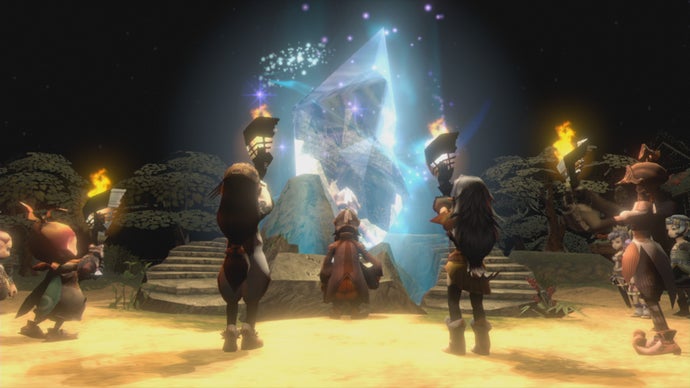
Kumi Tanioka, renowned for her enchanting compositions in the gaming world, primarily known for her work on **Final Fantasy Crystal Chronicles**, has recently been at the center of an unexpected controversy. Alongside her contributions to titles such as **Final Fantasy 11**, **Hyrule Warriors: Age of Calamity**, and more recently **Yoshi and the Mysterious Book**, it’s disheartening to learn that an album falsely attributed to her has surfaced on various streaming platforms.
### The Album in Question
The album titled **A Village Built on Wind** has appeared on streaming services like Spotify under Tanioka’s name, raising significant confusion for the composer herself. Through her personal Dwitter account, Tanioka expressed her disbelief, stating that the album is not her creation. She shared her concern regarding this misattribution, leaving fans and listeners puzzled as to how this situation could occur.
### Confirmation and Clarification
While Tanioka remained uncertain about whether the album was AI-generated, **Digital Sonic Design**, a company associated with publishing her works, provided some clarity. They addressed the situation by confirming that there was no copyright infringement found within the tracks and suggested that it is possible for another artist to share her name. Interestingly, on platforms like YouTube Music, the tracks were labeled as AI-generated, which adds another layer of complexity to the issue.
### Industry Implications
This incident highlights an ongoing challenge in the music and gaming industries: the risk of AI technology creating content that may inadvertently misrepresent talented individuals. Tanioka’s case echoes previous instances where other musicians have experienced similar misattributions. The existence of AI-generated works poses questions about authenticity and rights, signifying a need for better identification and verification processes on streaming services.
### Musical Appreciation
Despite the unfortunate circumstance surrounding her name, Tanioka’s impact on the musical landscape remains intact. Fans of her work treasure the evocative melodies she has composed. Among her contributions to game soundtracks, **Final Fantasy Crystal Chronicles** stands out, especially the track **Sad Monster**, which captures a blend of ominous and melancholic tones.
Additionally, fellow composers in the industry, like **Yoko Shimomura**, known for the enchanting **Valse di Fantastica** from **Final Fantasy 15**, and **Masashi Hamauzu** with his iconic battle theme **Blinded by Light** from **Final Fantasy 13**, continue to enrich the gaming experience through their music. The reminiscence of playing these games rekindles nostalgia, illustrating the emotional connections forged through soundtracks.
### Conclusion
As the tension surrounding Kumi Tanioka’s misattributed album persists, it serves as a critical reminder of the evolving dynamics between creative works and technology. While AI opens up novel avenues for music generation, it is imperative to uphold the integrity of original artists. The enduring legacy of composers, reflected in their memorable tunes, deserves recognition and protection against misrepresentation, ensuring that their artistry continues to resonate with audiences around the world.