**Revitalizing Onimusha: A Cinematic Action Franchise for Today**
The Onimusha franchise has been a significant component of Capcom’s heritage, serving as a nostalgic echo of video gaming’s history while presenting a multifaceted challenge for renewal. Debuting in 2001, Onimusha established its distinct space by combining cinematic narrative, intense sword fights, and horror survival elements that evoke its sibling series, Resident Evil. As Capcom strives to revive this legendary franchise, the pathway unveils the delicate interplay between tradition and contemporary advancements.
**A Reflection on Onimusha’s Essence**
Fundamentally, Onimusha was constructed upon two foundational elements: narrative ambition and cutting-edge design. The series gained recognition for featuring renowned actors like Takeshi Kaneshiro and Jean Reno, who contributed star appeal to its storylines. This legacy continues with Onimusha: Way of the Sword, which seeks to captivate audiences by casting Toshiro Mifune—posthumously—as the celebrated warrior-poet Miyamoto Musashi, aiming to preserve the franchise’s cinematic authenticity.
In addition to its illustrious cast, Onimusha transformed the design aesthetics of its time. By intertwining spatial exploration with a resource management system focused on melee combat, the series created innovative gameplay mechanics. Players were encouraged to partake in perilous confrontations for enhanced rewards, with the Issen system becoming a signature characteristic. Mastering timed counterattacks delivered a profound risk-reward dynamic that raised combat above the conventional attack-dodge patterns typical of comparable titles.
**The Contemporary Take: Way of the Sword**
Onimusha: Way of the Sword strives to honor its origins while seeking to innovate within the franchise. Nevertheless, the game appears to stumble by deviating excessively from the core principles of the series. Unlike earlier installments where players navigated interconnected environments, this version pivots to an open-world framework filled with side quests, resulting in a vast yet fragmented experience.
While combat remains crucial, it significantly diverges from the original model. The introduction of lock-on mechanics and more straightforward controls diminishes the tactical nature of the original, leading to a more disarrayed interaction with foes. The game’s dependence on various reaction-based actions—like parries and dodges—modifies the previously engaging combat tempo, rendering it hurried and disconnected.
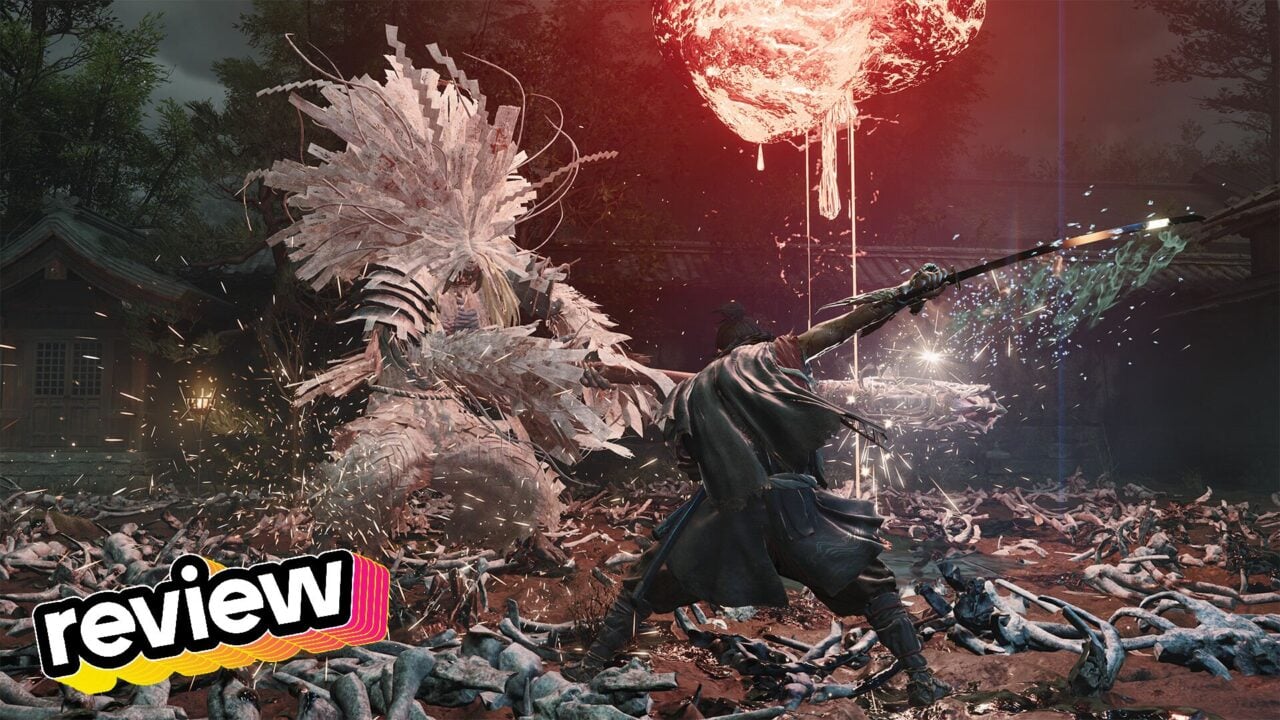
The boss fights, echoing newer games such as Sekiro, do mark a return to the series’ roots. Players are required to discern intricate patterns and responses, culminating in satisfying moments when overcoming challenging situations. However, the enjoyment derived from these encounters stands in stark contrast to the repetitive nature of mob confrontations, which are addressed with redundancy instead of ingenuity.
**Open World: A Double-Edged Dilemma**
The choice to shift to an open-world model is arguably the most controversial design decision in Way of the Sword. While the prospect of exploration brings a degree of initial excitement, it soon devolves into monotonous grinding and uninspired cycles of recurring enemy interactions. The need to gather basic materials detracts from the immediate enjoyment of combat and exploration.
Additionally, the story struggles to engage, despite the game’s visual aspirations and historical details. The narrative feels clichéd and fails to utilize the rich historical context, leading to a plot that lacks the charm of earlier installments.
**Conclusion: A Disjointed Legacy**
Onimusha: Way of the Sword ultimately acts as a bittersweet testament to Capcom’s celebrated history. While the game offers a core of remarkable boss battles that resonate with the franchise’s roots, it is eclipsed by an unwieldy open-world design and a dull narrative. The very aspects that rendered Onimusha a revolutionary series appear to have been overshadowed by the demands of the contemporary market and current design styles.
The challenge for Capcom rests in balancing the respect for Onimusha’s heritage while aligning with modern gaming trends. In this endeavor, they risk sacrificing the essence that made the franchise unique in the first place—an immersive experience that champions both cinematic narratives and inventive gameplay. As fans yearn for a return to its glory days, the lingering question persists: can Onimusha reclaim its esteemed position in the gaming landscape, or will it merely remind us of what was once cherished?