# STALKER 2: Cost of Hope Review
**Developer:** GSC Game World
**Publisher:** GSC Game World
**Release Date:** August 20th, 2026
**Platform:** Windows
**Available On:** [Steam](https://store.steampowered.com/app/3765020/STALKER_2_Cost_of_Hope/), [GOG](https://www.gog.com/en/game/stalker_2_cost_of_hope), [Epic Games Store](https://store.epicgames.com/p/stalker-2-heart-of-chornobyl–cost-of-hope)
**Price:** TBC
**Reviewed on:** AMD Ryzen 7 9800X3D, Nvidia RTX 5080, 32GB RAM, Windows 11
STALKER 2: Cost of Hope serves as a significant expansion to the original STALKER 2: Heart of Chornobyl, emerging almost simultaneously with the 2.0 update that aims to address technical imperfections. This expansion takes a reflective stance, blending elements from the franchise’s past while striving to mend its earlier shortcomings.
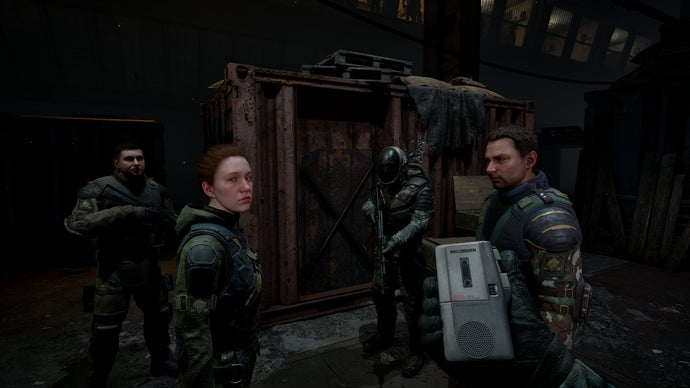
The core narrative brings players back to the Chornobyl Nuclear Power Plant (CNPP), a pivotal location often overlooked in the base game. The expansion reintroduces the rivalry between two familiar factions, Duty and Freedom, enhancing the lore and conflicts inherent in the STALKER universe. This re-engagement with classic elements does not feel forced but resonates with long-standing fans, as the characters are integrated into the story with a sense of authenticity.
Cost of Hope introduces several meticulously crafted map regions that serve as both challenging battlegrounds and atmospheric explorations. One notable area, the Iron Forest, transforms a previous anomaly into a chilling expanse filled with environmental hazards and a haunting ambiance, creating an unsettling, immersive experience. The CNPP offers a mix of exploration and narrative, guiding players through its oppressive industrial landscape.
Another standout location, the town of Lymansk, presents a shift towards survival horror. It demands players navigate through darkness, with limited resources and increased fear factor, capturing the essence of what makes STALKER 2 unique. This section diverges from traditional combat strategies, focusing on survival mechanics that heighten tension.
While the expansion executes combat effectively, it occasionally falls short in delivering a deeper factional conflict. The gameplay rarely compels players to choose sides early on, presenting a more cooperative approach instead. This results in a diluted sense of faction rivalry, with only a few moments of genuine conflict arising later in the game.
Despite these shortcomings, the distinct paths of Duty and Freedom post-conflict offer players varied experiences, enhancing the replayability aspect. The design of missions reflects significant dedication, maintaining unique objectives and routes based on the player’s chosen faction.
In conclusion, STALKER 2: Cost of Hope capitalizes on the strengths of its predecessor, amplifying exploration, action, and atmospheric intensity. While it may not fulfill every expectation regarding faction dynamics, it successfully delivers a compelling expansion that brings players deeper into the haunting and chaotic world of the Exclusion Zone.