### The Bloody Baron Quest: A Reflection on Narrative Design in The Witcher 3
**Overview of The Witcher 3**
Launched in 2015, *The Witcher 3: Wild Hunt* swiftly established itself as a defining title in the role-playing game (RPG) genre, raising the bar for open-world design and advancing the potential of narrative storytelling in gaming. A standout accomplishment in this context is the quest referred to as the Bloody Baron. This quest has gained acclaim for its emotional richness and intricate characters, although its designer, Paweł Sasko, has noted a preference for a different method were he to create it anew.
**Essence of the Quest**
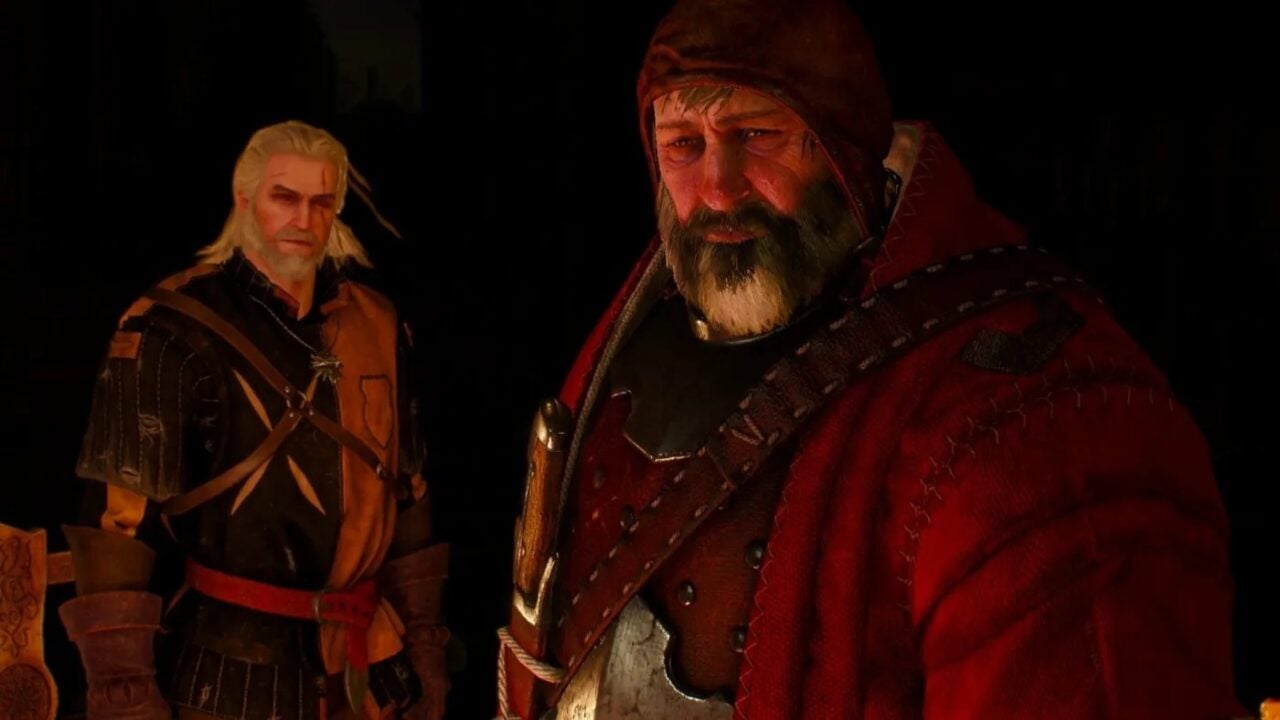
At the core, the Bloody Baron questline is a crucial element of the game’s broader narrative, representing the end of the first act. Players assume the identity of Geralt of Rivia, who is tasked with finding his adopted daughter, Ciri. His journey brings him to the titular Bloody Baron, a man beset by troubles and a shadowy history. However, the Baron remains tight-lipped about vital information regarding Ciri until Geralt assists him in locating his own missing wife and child.
As players traverse this quest, they peel back the layers of the Baron’s persona. His history unveils a past riddled with alcoholism and domestic violence, including a traumatic incident resulting in his wife’s miscarriage during a drunken fit. The encounter with the Botchling, the spirit of the unborn child, acts as a chilling reckoning with the ramifications of his deeds.
**Sasko’s Thoughts on Narrative Framework**
Despite the quest’s success, Sasko has conceded to shortcomings in its creation. The quest’s duration, which can extend to nearly four hours, is one aspect he believes could see enhancement. In a conversation at Gamescom, he contemplated the pacing and framework of the narrative, opining that although the story is engaging, it might have suffited from more polished pacing.
Sasko underscored a learning approach adopted in later expansions for *The Witcher 3* and *Cyberpunk 2077*, where the goal was to divide gameplay into concentrated segments of roughly 40 minutes. This structure allows for powerful thematic gameplay followed by opportunities for players to delve into the world. In exceptional cases, such as climactic conclusions or heightened tension moments, they deliberately break from this model to fully immerse players in the experience.
**The Balance of Emotion and Gameplay**
The Bloody Baron quest illustrates a stark emotional journey, replete with unforeseen developments. Nevertheless, Sasko recognized that it may have incorporated more narrative content than essential. Balancing the delivery of a compelling story with optimal pacing is a perpetual challenge faced by game designers.
This insight initiates conversations regarding the progression of narrative design in RPGs and how developers draw on past experiences to elevate future storytelling ventures. The industry consistently endeavors to create captivating content that resonates with players while preserving enjoyable pacing and gameplay.
**Influence and Future Projects**
As Sasko and CD Projekt Red have refined their storytelling methods since *The Witcher 3*, the legacy of the Bloody Baron quest endures. It stands as a milestone in gaming narrative, exemplifying the emotional resonance achievable in video games. With fans eagerly anticipating the forthcoming DLC, *Songs of the Past*, there is optimism that it will offer experiences as unforgettable as those experienced in the Bloody Baron quest.
In summary, the Bloody Baron quest acts as a critical examination of the intricacies of narrative design in video games, highlighting how storytelling can provoke deep emotional reactions and the significance of pacing in fostering an engaging player experience. The insights garnered by Sasko and his team underscore a strong commitment to advancing their artistry, paving the way for future narratives in the ever-evolving realm of RPGs.