### Alien: Isolation 2: A Return to the Roots of Horror
Creative Assembly faces a unique challenge with the development of *Alien: Isolation 2*, the highly anticipated sequel to their acclaimed 2014 horror survival game. This new installment is designed to reference only the original *Alien* film from 1979 and the original *Alien: Isolation*, intentionally excluding the subsequent films from the franchise, including the action-oriented *Aliens* directed by James Cameron.
The narrative of *Alien: Isolation 2* shifts from the confined space of a space station to the more open but equally isolated environment of a planetside colony. However, the design philosophy remains closely tied to the suspenseful and atmospheric horror elements that defined its predecessor. Principal Environment Artist Archie Whitehead highlights the stark contrast between the tone and feel of *Aliens* and *Alien*, suggesting that drawing influences from multiple entries in the franchise could dilute the focused horror experience intended for the sequel.
### Constraints and Creative Freedom
This constrained approach carries mechanical implications for gameplay. Unlike the adrenaline-fueled action associated with *Aliens*, *Alien: Isolation 2* emphasizes a sense of vulnerability. Whitehead notes, “There are no pulse rifles…You’re really disempowered.” Players will rely on their wits and the environment to survive rather than powerful weaponry. The new gameplay element introduced involves using items in the environment to distract the Menace, as opposed to engaging in direct combat.
Art Director Ana Sopikova elaborates on the development team’s deep dive into the aesthetics of the original *Alien* film, facilitated by a strong partnership with 20th Century Fox. The team analyzes behind-the-scenes materials to recreate the era’s style authentically, focusing on small but critical details such as the types of materials available in the 1970s. This meticulous attention to period accuracy aims to enhance the overall immersion and atmosphere of the game.
### Immersive Environment Design
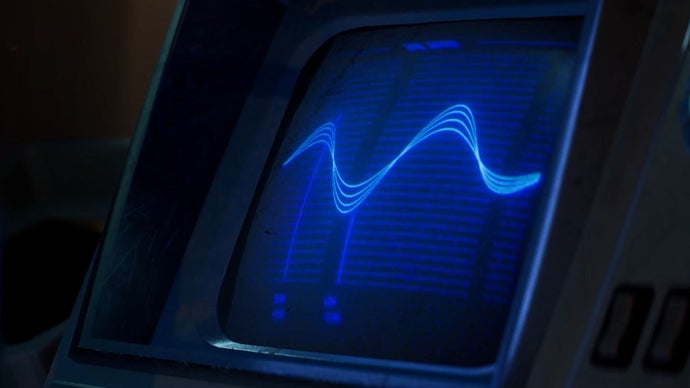
The design approach extends to the environments players will navigate. The game begins with players inside a Weyland-Yutani colony rover, where the interior is characterized by cheap vinyl and worn leather, underscored by the glow of CRT monitors and old-fashioned lights. Whitehead emphasizes that they sought to represent the colony’s aging technology juxtaposed against the vast, untamed environment of LV-921.
Moreover, the design philosophy allows for some innovation within constraints. For example, the motion tracker from the first game has been adapted for support in the new planetside setting, enhancing gameplay without abandoning the original’s core principles.
### Conclusion
The developers of *Alien: Isolation 2* are committed to delivering a focused horror experience that pays homage to the roots of the *Alien* franchise while simultaneously crafting a new narrative and environmental experience. Through constrained references and meticulous attention to detail, Creative Assembly aims to create a game that is both authentically tied to its predecessors and innovative in its execution. As anticipation builds, *Alien: Isolation 2* promises to immerse players into a terrifying world of survival that ensures that the horror elements remain at the forefront, leading to a distinctive gaming experience.